A summer of surprises

In the summer I’m usually deep into editing an anthology, and this year is no different. I’ve been doing this for most summers since 1989, when a friend and I started The Larcom Review. This summer I’m working on the third anthology from Crime Spell Books, which I co-founded with Leslie Wheeler and Ang Pompano, and have continued with Leslie and Christine Bagley. Our third anthology is Wolfsbane, which comes after Bloodroot and Deadly Nightshade,. in the annual series of Best New England Crime Stories.

This wasn’t going to be my topic for today but I find myself thinking about the sixth Anita Ray mystery I’m working on somewhat desultorily. And this is a surprise because when I sit down to write my thousand words for the day, sometimes after having skipped a few days, the characters keep surprising me. The setting in a resort in South India is the same but nothing else is quite so.

One of my walk-ons got himself killed, though I don’t know why or exactly how; I just know he’s very dead, at the bottom of a cliff in the Kovalam resort. I’ll have to figure that one out. And the expected main character has morphed so many times that he may morph himself right out of the plot, even though that’s not my intent. Meanwhile the counter to Anita Ray has turned out to be more fatuous than anticipated but has thrown one of the best spanners into the plot. And I finally figured out why an elderly woman was able to leave India, without a husband to support her, and move to the States with her young son. None of this is in the synopsis I roughed out several weeks ago, and none of it tickled my brain while I was writing it. It seems to have been hidden in my fingers or the keyboard.

But the most amazing discovery is Anita Ray’s perspective on her own work as a photographer. She has been adopted as a mentor by a young man who is clearly gifted and comes to her for advice. She’s willing to help and enthusiastic about his work, recognizing his distinctive use of color, texture, pattern. He has some gaps in his technical knowledge, and limitations financially; he can’t afford to have every image printed out for examination and critiquing. But he obviously has a bright, perhaps significant future if he can hold on under difficult circumstances. His work and trust in her judgment set Anita thinking, and she enters a phase of an artist’s career that can be deadly or transformative. 

I have no idea what will happen to him. He could be a figure in the mystery itself, dropping clues or finding them, or another victim, or just someone who brings Anita to the fore in a different way, which would make him useful but little more than a background figure. I don’t know now and won’t know until I write again and pose the question.

All this began when I came across a post by Michele Dorsey challenging writers to write one thousand words a day without any plot outline or specific goals. A thousand words is far less than my usual daily goal when I’m working on a novel, so I thought I could fit that in easily while I was working on the anthology. And I did, for a while. Now I write three days in a row, for example, and two days doing something else. And there’s no reason for this except myself-discipling seems to be flagging.

Peter Dickinson, one of my favorite writers, was once asked if his characters took on a life of their own, a fairly standard question for a writer. He replied that there’s little room for surprises in his work once he starts writing because he develops an extremely detailed outline before he begins. I tried that once, and it didn’t work for me, so I admire anyone who can do that. Until that talent comes to me, I’ll continue discovering the world of my characters, and hope it all makes sense. It will be weeks before I know, so I’m learning patience—again.
A Pantser’s Kind of Outline, by Amber Foxx

I sometimes say I don’t outline, but in a way I do—backwards. After I write a chapter, I take notes on the plot progression, including the events that might be clues or might be loose ends. This becomes a clean-up guide as well as a quick review of the story structure when I finish improvising and following my characters where they choose to go. I also note emerging themes and subplots. Later, I use the notes as revision tools. They help me in deciding what to keep, expand, or cut.

Having reached the near-end of my work in progress, the crisis and the partial solution to the mystery, I now have the denouement chapter to write, the one where I tie up the last loose ends. In looking back over my notes, I find about half are tied up. As for the remaining ones, many are so minor I can cut the lines that set them up, while others are significant questions that have to be answered. I’m glad I kept that list. Now I have something bordering an outline in advance for the final chapter, as well as a plan for future cuts and reorganization.

*****

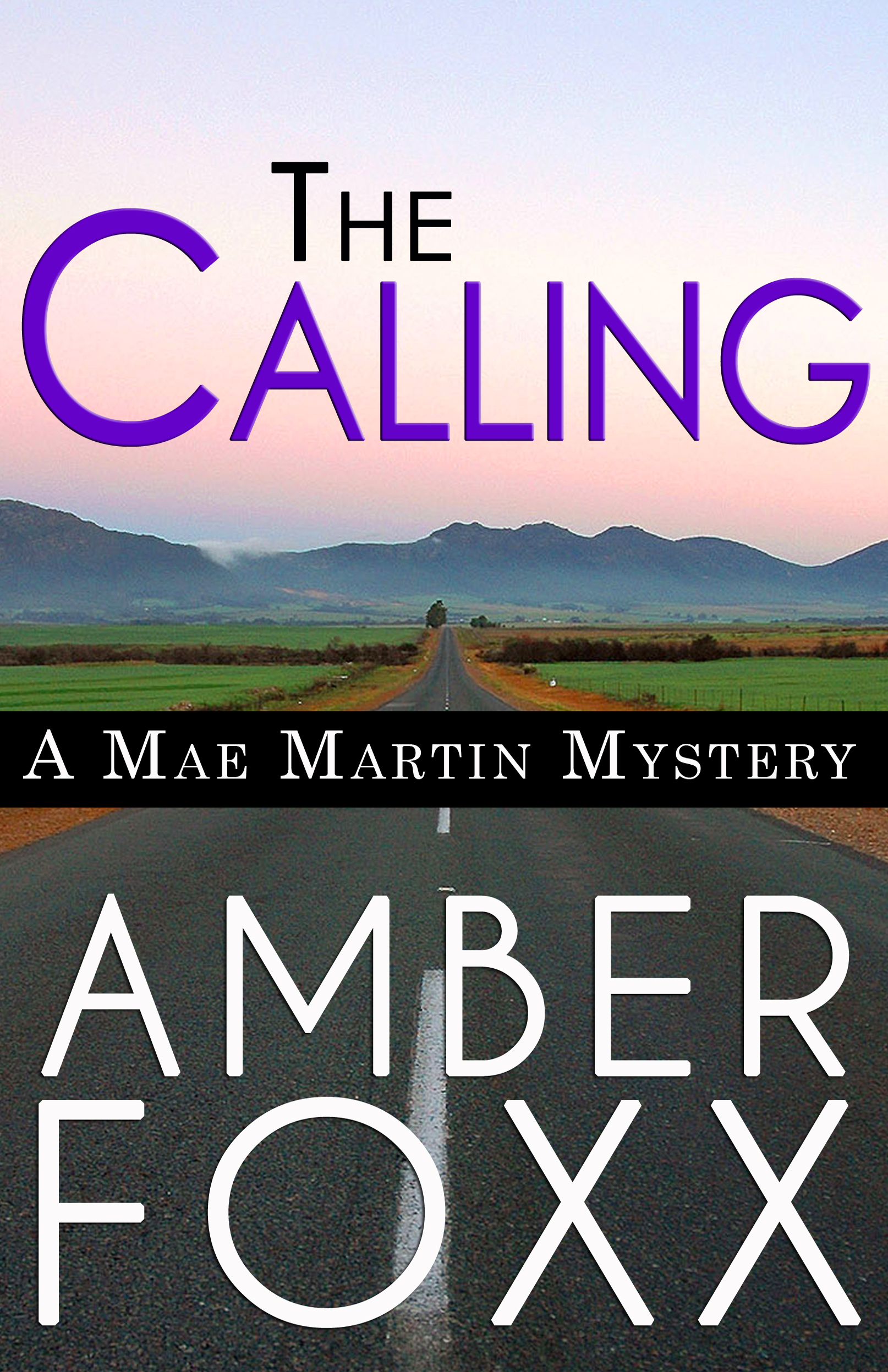
The sale on books one and two in the Mae Martin Psychic Mystery Series will end June 13. Until then, you can still download The Calling free and buy Shaman’s Blues for 99 cents. No murder, just mystery.

Less Time to Write=New Perspectives

I’ve been busier than usual with community activities, recertifying as a fitness professional, and researching and planning the switch to an electric car. Time well spent, but meanwhile, book eight in the Mae Martin Psychic Mystery Series has been getting about an hour a day of attention. I don’t feel like a full-time writer.

On the plus side, when I’m less wrapped up in the book, I question everything about it. Does the plot really work? It has to be meaningful, not just a puzzle being solved. How does it further the lead characters’ series arcs? How does the very nature of the mystery challenge their development? How does it interact with their personal lives?

Then there’s this question that comes up with every book: Is the antagonist character too much like prior antagonists?  And how does this new enemy make the perfect opponent to fit my main characters’ strengths and—even more important—their flaws?

How many components of the plot need to change? Are there aspects of it that might turn off my long-term fans? If I feel it doesn’t sustain visionary fiction element of the series, my readers might think so, too. I have to create stakes that are  serious as death without the threat of murder.

This blog post was my “thinking aloud session.” I’ve got some revisions to make, but I’m more confident of them now. Thanks for listening!

Pantsing the Revision

That wasn’t the plan. I was cutting subplots, cutting back to one point of view, and changing some aspects of the crime, and I thought it would all work out in a predicted direction. Then I introduced a certain secret earlier in the plot, and out of the blue, my protagonist, Mae Martin, made a decision that changed everything.

It was a well-timed decision on her part, plot-wise. I’m at the Act Two/Act Three transition point, where the protagonist has to pass through her second doorway of no return. This choice she made, seemingly without my input, will raise the stakes for her exponentially, increasing the risks to her relationships and her reputation. It’s something only she can do, and if she doesn’t do it, there are risks to other people’s well-being. It’s a choice between two “bads.” (Meanwhile, in her romantic life she’s struggling with the choice between “goods.”)

The amazing thing to me about this unexpected turn she took is that it’s going to tie up all the loose ends, when it’s resolved.

At least, I think so.

I keep chapter notes as I go, something like a hindsight outline, noting Mae’s goal for each chapter and scene (I’m writing third person but only in her POV), the disaster or hook at the end, the loose ends each chapter has created that will need to be tied up, and the progress in the main plot and subplots. I suppose I can consider some of those notes a plan, since a few are quick sketches of what I can see coming next, but I can’t see very far ahead. Some parts of the original version have found their way almost whole into this revision, and others still might. I wonder if the end will. I liked it the first time around, but it may no longer fit. One of the biggest mysteries in writing a mystery is how my creative mind works.

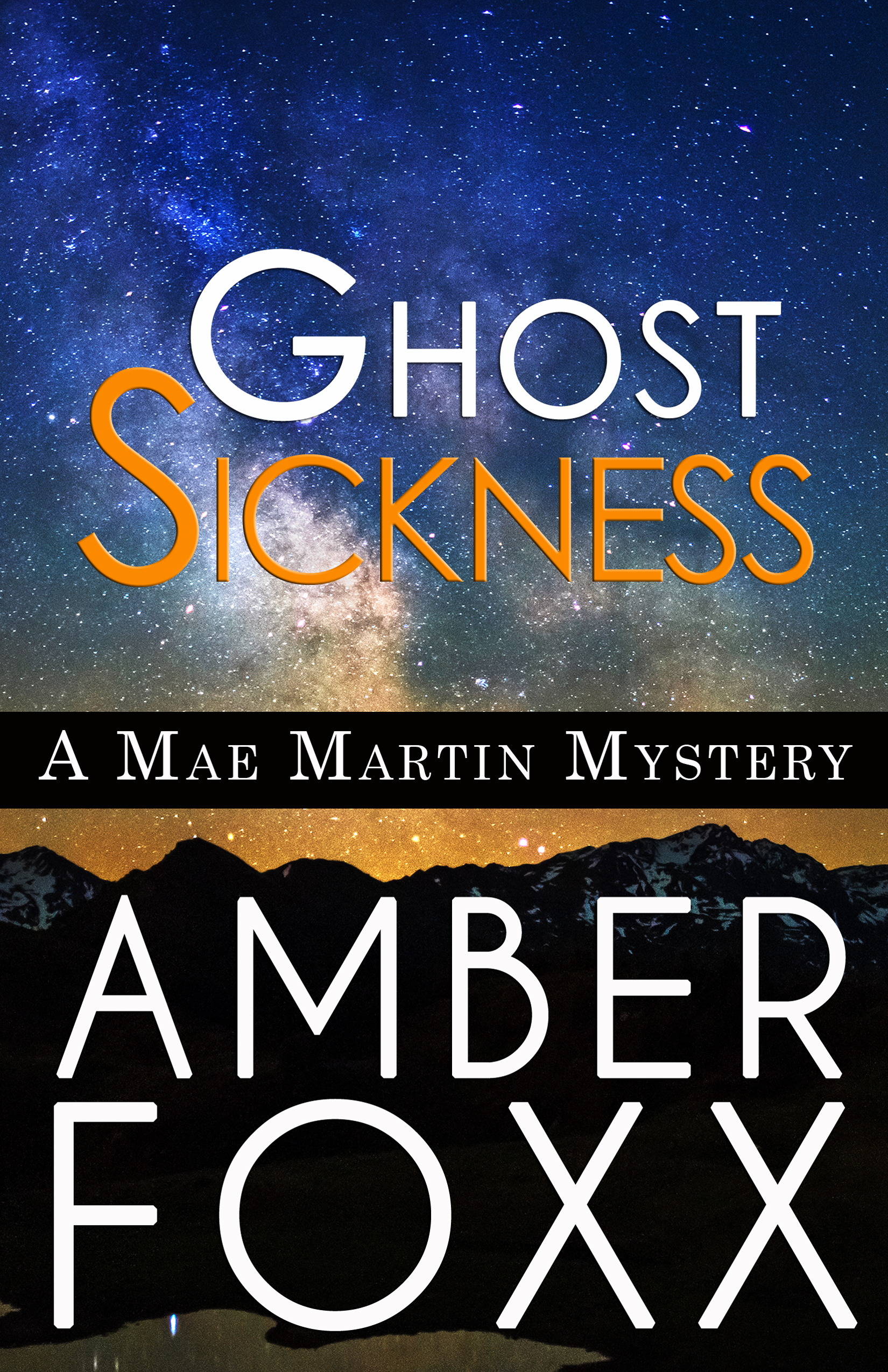
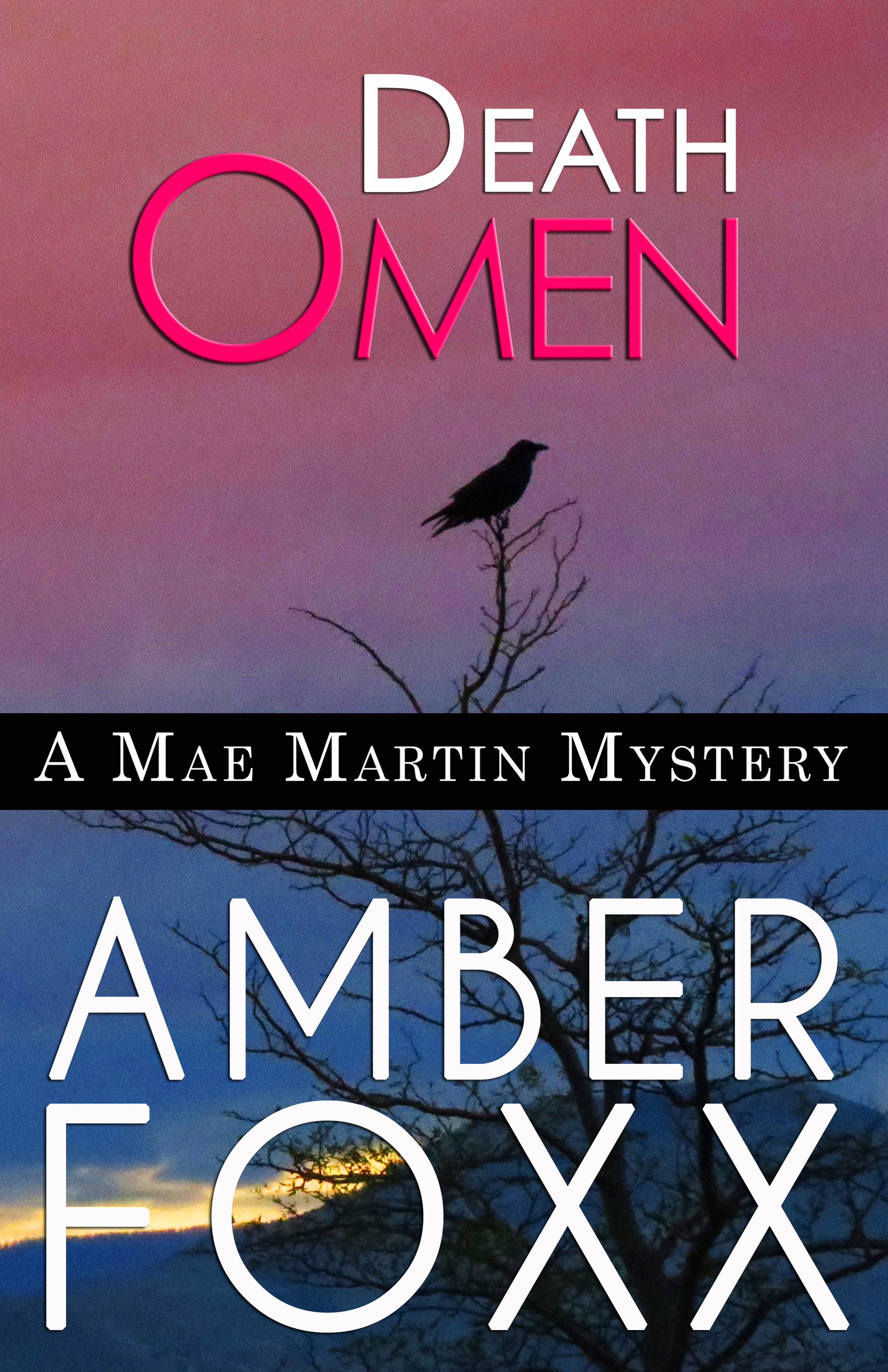
A character in the work in progress used a phrase I didn’t expect him to say, referring to certain people as his and Mae’s “shadow families.” In the middle of the night, I realized that could be the title. It fits the plot and also the pattern of my titles: two words with a mysterious ring to them, suited to psychic mysteries without murder. The Calling, Shaman’s Blues, Snake Face, Soul Loss, Ghost Sickness, Death Omen … Shadow Family?


Undermind at Work

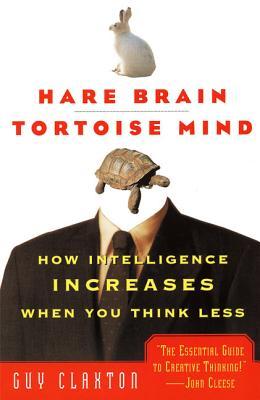
That’s not a typo. I have not been undermined at work. I’m rereading Guy Claxton’s Hare Brain Tortoise Mind, and he refers to the slow processes of creativity and insight as the undermind—the part of the brain that’s working beneath the level of verbal expression and logic, the part that can detect patterns the conscious surface of the mind misses. The part that creates what the surface mind cannot. I read the book eighteen years ago when it first came out, but I wasn’t writing fiction back then, just academic research papers. I perceive its ideas differently now.

On this reading, I see in it an explanation of how pantsing a plot works. Those of us who write that way often marvel at how we laid clues we didn’t know were there and how we brought in characters whose purpose was unclear at the time, but who later revealed why they showed up and asked to be included. The undermind is best at solving complex, ambiguous problems and recognizing hidden patterns. The other mode of thinking, what Claxton calls d-mode, for deliberative mode, is better at problems with clear rules and defined parameters. I see d-mode as the revision mind and the undermind as the first draft mind. I’m at a point of indecision near the end of a first draft. D-mode wants me to evaluate my options. The undermind wants me to keep writing and see what happens.

I can apply the concepts of the undermind and d-mode to how my characters solve problems as well.  Claxton describes experiments in which trying too hard, having time pressure, or having too much at stake can all inhibit subjects’ problem-solving and pattern-detecting abilities. The slow, unhurried tortoise mind is better at breakthroughs, and yet the nature of a mystery plot is anything but slow and unhurried. Still, a character may encounter a puzzle early on, be unable to solve it, attend to other problems while the initial puzzle simmers in the back of her mind, and then have a flash of insight. The flash isn’t a flash, though. All along, her undermind was at work. I’ve seen mystery writers use this pattern well, showing the protagonist’s frustrating sense that the solution is near while not quite grasping it yet, knowing that something in the mind-shadows wants to be understood.

D-mode works well while talking because it’s verbal and structured. When characters are doing the logical kind of problem-solving, dialogue is natural. Claxton cites studies in which subjects were asked to solve puzzles and either talk or be silent while they did it. With clear though challenging puzzles in which all the information was present and needed to be analyzed, talking improved the outcomes. However, with insight problems, bewildering visual puzzles that required creative shifts of perspective, talking got in the way or turned into babble such as, “I don’t know what I’m thinking. Nothing. I’m not actually thinking.” Silence gave better results. In fiction, this second process might take place in an internal scene, a sequel or reflection. The different modes of problem-solving could lead to conflict, as an analytical type needs to talk things out while an intuitive type needs to stop talking—and stop listening to words—in order to think.

My preference for creating my first draft from the undermind may be why I like a plot mandala better than an outline. I draw a circle and begin writing character names and story themes in what feel like the right places, then let my undermind connect the patterns among them.

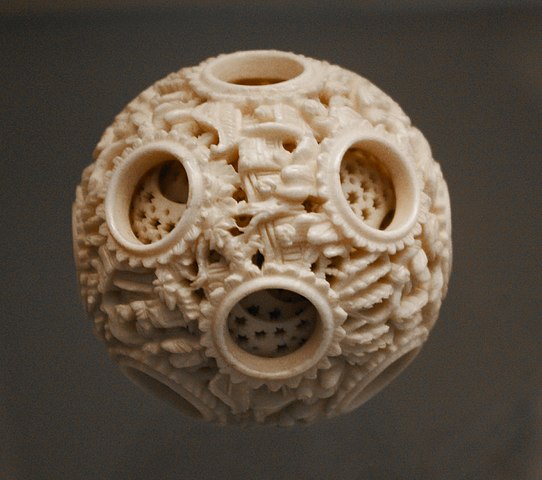
Images: 19th century Chinese puzzle ball with the twelve concentric balls inside; puzzle cube; math equation dice.