Reflections on Winter by Karen Shughart

When I was growing up, we lived within walking distance to a large, public park. Our local recreation department held a Twelfth Night bonfire where families brought their Christmas trees and, as we watched the dazzling flames light up the night, we sang seasonal songs and drank hot chocolate.

After a snowfall, my friends and I would drag our sleds to a large estate at the end of our block that had been willed to the city and was now part of that park. The mansion had been transformed into an art gallery, but the grounds were perfect for sledding. We’d form a chain and with our feet moving forward in tandem, push our sleds off the top of a bluff down a steep hill to the bottom. We shrieked with laughter, sometimes tumbling in a heap before we landed, and when we were chilled to the bone, we trudged home for steaming hot chocolate and cookies.

Around that same time, I discovered a series of books that were set on Lake Superior, and while the author and the titles completely escape me, I remember vividly that most of the books were set in winter, the main characters a family whose lives centered around outdoor activities near the ice-encrusted lake. I was completely enchanted.
When my own children were young, their friends would convene at our house after a snowfall and make snow angels and build snow forts in our backyard, laughing and chattering until they, too, were chilled to the bone. Then they’d all waddle into our mudroom to remove their boots and wet jackets, snow pants, scarves, and mittens, and like my mother before me, I’d serve hot chocolate and cookies.

A few years ago, at the end of the summer, my husband and I took a cruise to the Canadian Maritime Provinces and Greenland. You’d probably not be surprised to learn that my favorite part of the trip was Greenland, where the temperature was in the 30s and 40s, and we were walking around wearing down jackets and mittens in early September. I loved the starkness of the landscape and the view from the shore of small icebergs brightening the dark sea with brilliant light.

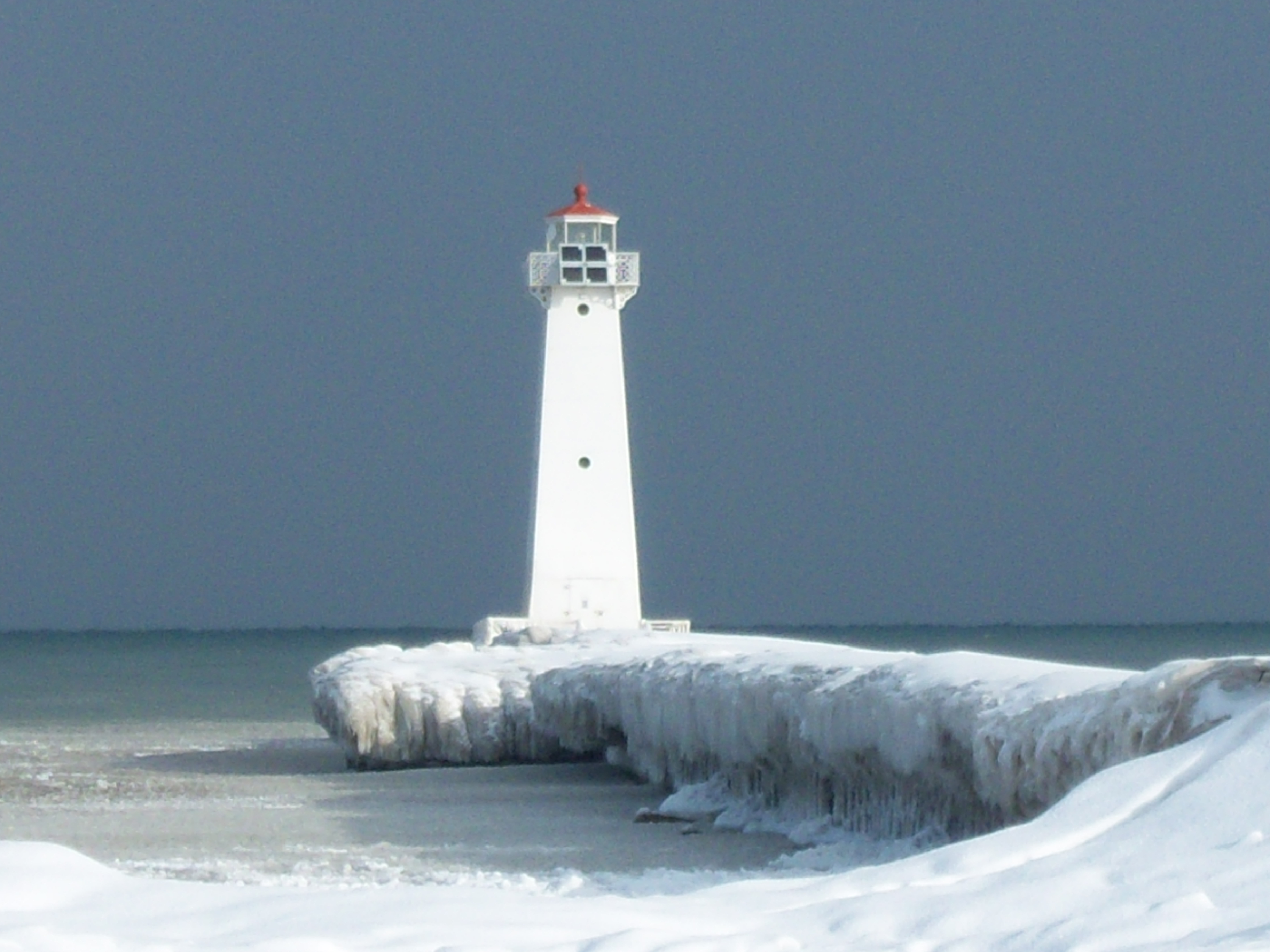
I have thought often what it is about winter that I find so compelling, enough so that in retirement we moved north rather than south. We now live in a village on Lake Ontario, where the winters can be cold and and snow-covered for at least several weeks or months during the season.

There are complex reasons, I am certain: as an introvert I like settling in with a crackling fire in the fireplace, to read books, a warming cup of tea in hand. I enjoy cooking comfort meals, walking or snowshoeing in the snow, and meeting friends at cozy pubs that in summer months are filled with happy, noisy tourists. And I’m thrilled when I catch a glimpse of ice boats gliding across our bay.

Winter is a time for reflection, too, and a time when I give myself permission to just be without having to purposely shut out the extraneous noise and activity that’s so much a part of my life during other seasons.. It’s also when I am most productive with my writing, and quietude and solitude recharge my weary body and soul.

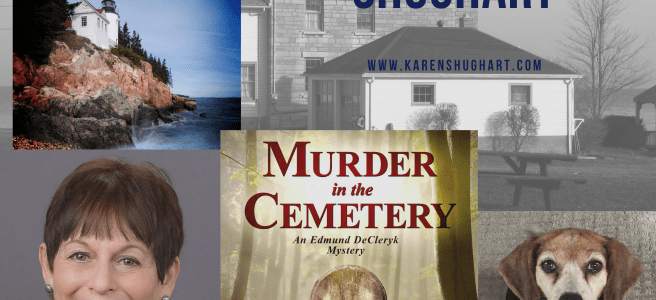
Karen Shughart is the author of the Edmund DeCleryk Cozy mystery series. Her third book, Murder at Freedom Hill, was released in November.

Fiction or Fact: That Is the Question by Karen Shughart

If you’ve read any of the books in my Edmund DeCleryk Cozy mystery series, by now you will have noticed that with each murder there’s a historical back story that gives clues as to why the crime occurred.

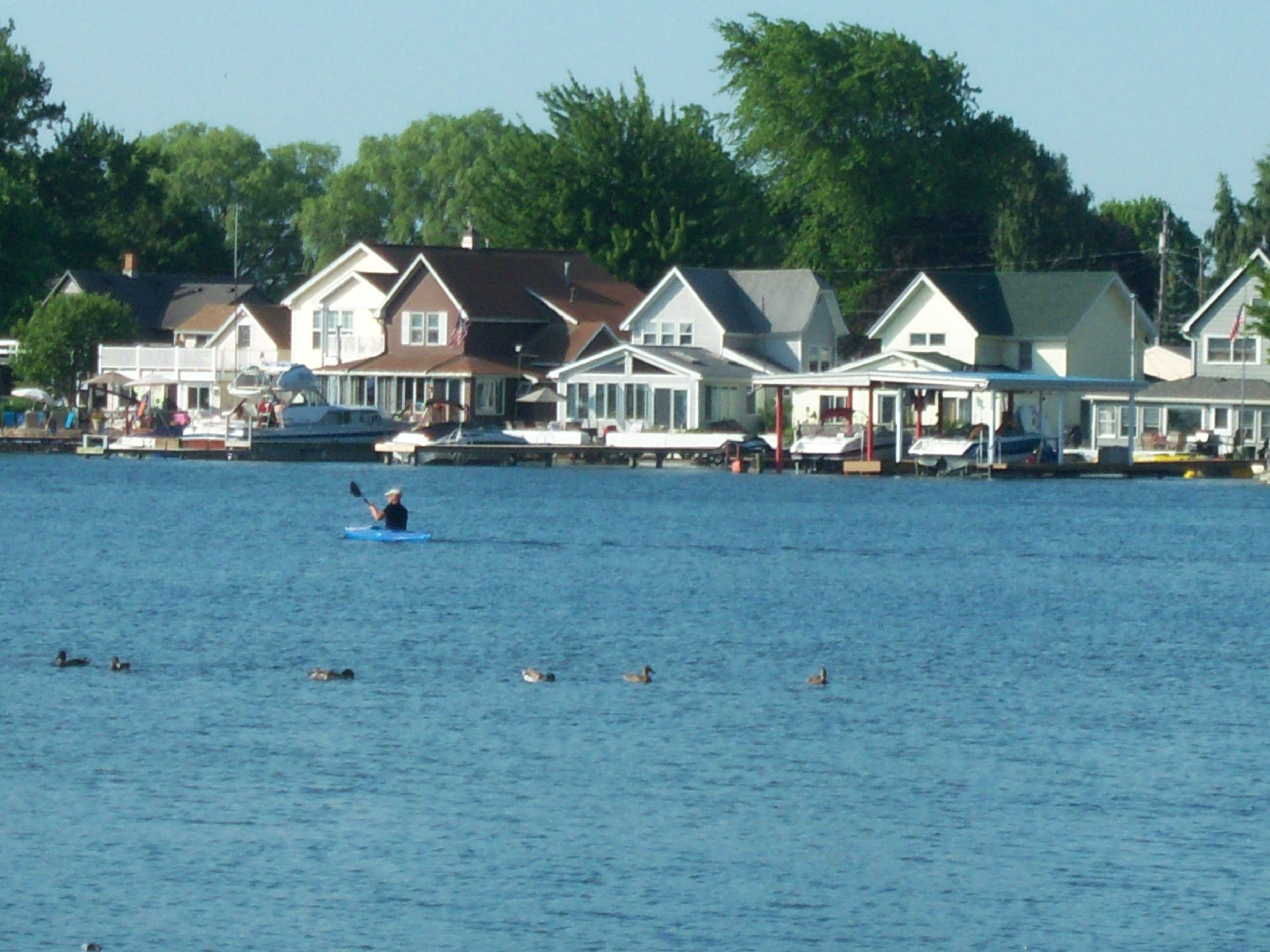
When I conceived the series I decided to write about what I knew, which meant describing the beauty where we live up here on the southern shore of Lake Ontario: the beaches; fruit orchards; quaint homes and cottages, and the stunning weather that changes with each season. There’s also our close knit and friendly community and a rich tradition of history.

Across the lake lies Canada and in the middle of it, where the depths can reach 800 feet, shipwrecks occurred starting long before the Revolutionary War. The British invaded our village and burned most of it down during the War of 1812, and an active and committed abolitionist movement and the Underground Railroad helped to change the course of history. In the 1920s, rumrunners from Main Duck Island in Prince Edward, Ontario piloted across the lake to Chimney Bluffs-drumlins created by icebergs with a broad beach below-to supply the speakeasies here with booze. During World War II, several prisoner-of-war camps housed German soldiers, one of which has been converted to a state park near our home.

Photo by ArtHouse Studio on Pexels.com

I’ve been asked numerous times, at books talks and signings, about the inclusion of history into my books and the incidents are real. While the historical events are based on actual occurrences, I remind my readers that I write fiction, so history is merely a way to enhance the plot. Mostly, the characters are fictional and the details surrounding the events are figments of my imagination, although I do occasionally slip a real character into the mix.

In book one, King George, III had a minor role; in book two, I name-drop Morgan Lewis, the fourth governor of New York and quartermaster general during the War of 1812, whose father was a signer of the Declaration of Independence. In Murder at Freedom Hill, I mention Abe Lincoln  once or twice along with Frederick Douglass and Susan B. Anthony, but only to provide context to the back story.

I just started writing book four in the series, Murder at Chimney Bluffs. It’s early days, so at this point I have no idea who my historical celebrity will be, but whoever it is will have either supported Prohibition or opposed it, or be one of those mysterious crime bosses who organized the trips back and forth across the lake. I’ll figure it out as I move forward.

What I tell my readers is that what I love about writing fiction is that I can pretty much do anything I want with the plot, name dropping and historical events notwithstanding.  I wouldn’t have it any other way.

It Take a Village by Karen Shughart

The setting for the Cozies I write is a village on the south shore of Lake Ontario in New York, and while fictionalized, it closely resembles the village where I live. If you’ve read the books, you might remember that typical of the genre, there’s a close-knit group of characters who, in addition to solving crimes, also get together for social and community events and to provide support in times of stress.

It’s no accident that I chose to model Lighthouse Cove after Sodus Point. It’s much easier to write about what you know, and while the characters in the book are mainly figments of my imagination, the preponderance of people here are as kind and caring as those, other than the villains, portrayed in the books.

Without going into a lot of explanation, a couple of weeks ago our 21-pound Blue Tick beagle, Nova, escaped from our fenced-in yard on a bright, sunny day.  My husband was out running errands, and when I discovered she was gone, I sprang to action and started walking the streets calling her name. One of my neighbors checked to see if she had perhaps wandered into her carriage house. Another, on her way out of town, took a few minutes to drive around to see if she could spot her. A young woman I’d never met was walking her dog and said she’d look, too, and would bring her home if she found her.

After my husband arrived, we fanned the neighborhood on foot to no avail. We decided to post her photo on a couple of local Facebook sites and then get into the car to continue the search, but before we did, I checked my phone. There was a message. One woman who lives about three blocks away had spotted her, and while she wouldn’t come when called, that person herded her to the home of a friend who always keeps treats and a lead at her house. Fortunately, Nova had identifying tags with phone numbers, and we were notified.  Within an hour of her escape she was home safe and sound, tired and a bit scared, but no worse for the wear.

Around dinner time that evening, my phone rang. A friend, who had heard about her escape from another, asked if we’d found Nova and said that earlier, when he’d heard the news, he’d gotten on his bike and ridden around our village looking for her. The next morning, when my husband walked her, a man he didn’t know stopped him on the street and told him he was glad we’d found our dog.

For some, living in such a tight-knit community would be claustrophobic and confining; for us it’s been a blessing. There are many more incidents I can recall where people have banded together to help those experiencing some sort of crisis that I’ll write about at a different time. But for now, I’ll end with expressing gratitude for living in a village where the call for help is always answered.

It’s All in the Details by Karen Shughart

Even in fiction, it’s important that some details are correct, especially in a murder mystery when describing an investigation and its resolution when the killer is captured. While the plot, setting, and characters can be a complete figment of the imagination, there’s got to be some accuracy when describing the measures taken to solve the crime.

Our communities offer many resources to those of us who write mysteries, among them sheriffs and police personnel, district attorneys, public defenders, prosecutors, and judges. Having access to these experts and being willing to learn from them adds a level of authenticity to our stories, and hopefully results in more reader satisfaction.  I’m fortunate that these professionals have been available to me when I’ve had questions.

Photo by Sora Shimazaki on Pexels.com

There’s wiggle room, of course, but when investigators on TV are trying to solve a crime and get DNA results in an hour, that’s not how it really works. Although technology has evolved, and today it’s possible for a speedier turnaround time- sometimes in as little as six hours-I try and stick as much to the facts as possible.

I’m working on Murder at Freedom Hill right now, the third is the series of Edmund DeCleryk Cozy mysteries.  In the last two books, the crimes were solved without my needing to provide precise details of what followed after the murderer was apprehended. This time around it’s a bit more complicated.

I’ve realized as I’ve been writing this book that my knowledge of some those procedures is a bit rusty, and I wanted to clarify the steps that must occur from arrest to sentencing, the difference between probation and parole, and the circumstances that permit the defense attorney to make a deal. A few weeks ago, I met with our county’s district attorney.  We spent about an hour together, and after, I went home and revised some sections of the book for clarity, although I must admit that I fudged a few of the details to mesh better with the story.

 The women and men who work at various levels of law enforcement and in criminal justice professions are a valuable resource to those of us who write mysteries. They help provide a framework that allows us to create a book that weaves fantasy and reality into a believable plot.

It’s Apple Harvest Time by Karen Shughart

If you drive around our area in October, you will notice the leaves on the trees have begun to turn, colorful red, orange, and yellow instead of multiple shades of green. The air smells of sweet decay, new mown grass, and when the waves crash against the beach, a clean, verdant aroma wafts through the air, a bit like the ocean but without the brine.

You’ll notice farm markets, large pots of colorful mums clustered together at the edges of the parking lots, filled with a bounty of vegetables: squashes, pumpkins, eggplant, green beans, and apples, lots of apples.

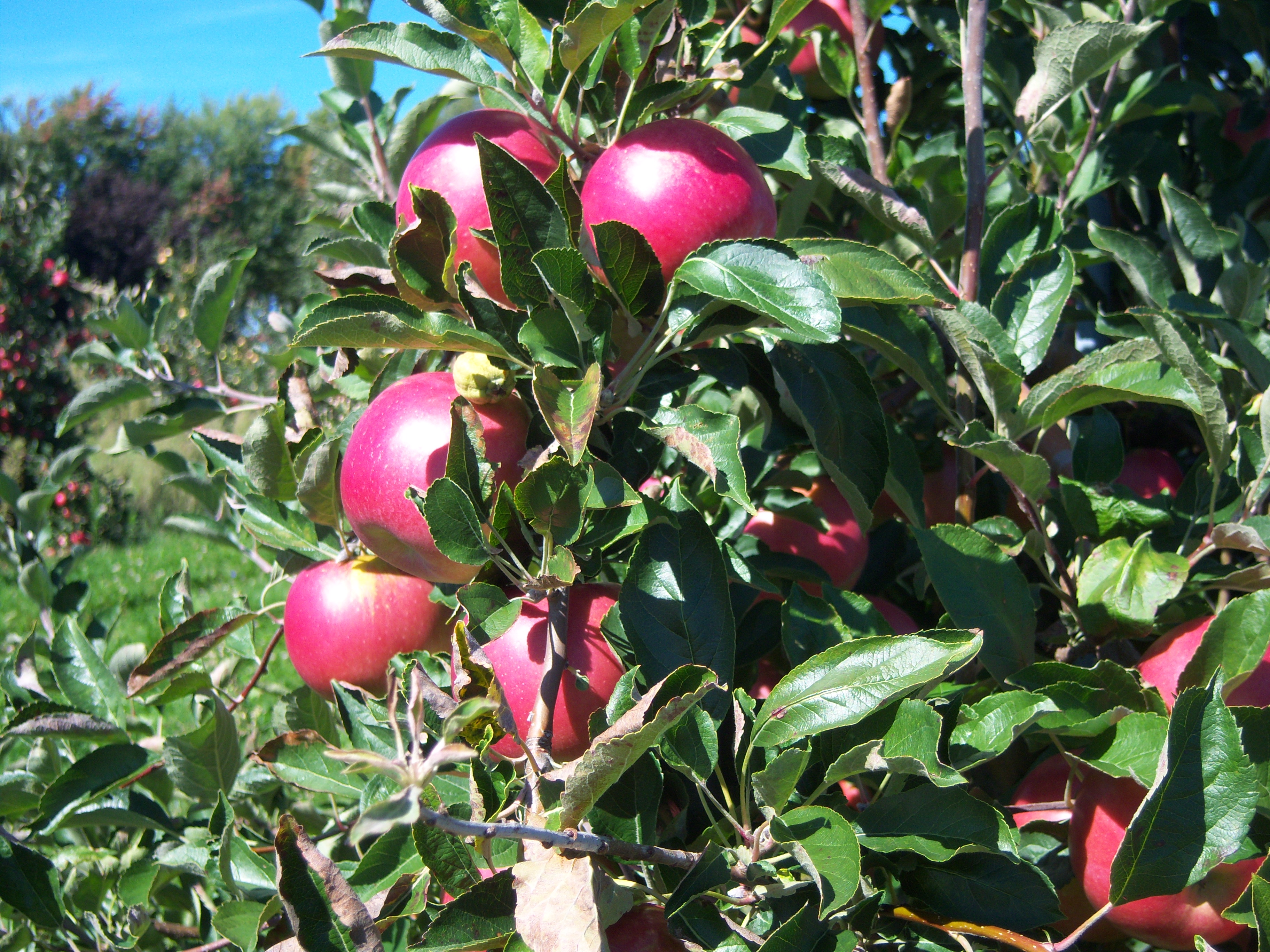
New York is one of the largest apple-growing regions in the country, second only to Washington state. On the south shore of Lake Ontario, where we live, you’ll see acre upon acre of lush orchards, laden with the heavy, ripe fruit. What might surprise you, if you don’t know much about apples, is that not only do they come in different sizes and colors, but there are also hundreds of varieties, old favorites and those recently developed. Each year brings more choices; there’s an almost infinite selection.

Photo by Karen Shughart

Apple harvest here, in the north, is a reason to celebrate. One of our friends spent his earlier years as an MD but has become an apple farmer in retirement (the story of his journey to this point is a long and interesting one), with 100 acres of the sweet and savory fruit.  Now he can be seen-cowboy hat, jeans, and boots, shirt sleeves rolled up to the elbows-cheerfully working alongside his seasonal employees to pick the crop before the frost creeps in.

We love going to his farm, when on a late afternoon, with a variety of cardboard boxes and tote bags in hand, we stroll through the stands of trees, lined up in rows in military precision. We carefully choose apples that will last in cold storage in our garage throughout the winter: baked into breads, pies, and cakes, eaten with sharp cheese, or sliced into a salad.

After, we’re likely to cluster around a large island in his farmhouse kitchen, drinking glasses of wine and eating charcuterie boards piled high with cheeses, sausages, artisanal breads, and apples, yes, apples. When the skies are clear and the air is cool, he’ll host an evening barbecue for friends in his meadow at the edge of the orchard; a huge bonfire burning with apple wood. Then, we gather, to laugh, share stories and eat a meal of locally sourced food. One year a white bedsheet affixed to the side of his barn served as a screen for an outdoor movie while we munched on apple fritters and popcorn cooked over that fire.

I love October for many reasons: the cool nights and bright warm days; the quiet and calmness now that summer residents and visitors are gone; the bright colors, and the earthy pungency of burning leaves that fills the air. But mostly because it’s apple harvest time, a time for convening with friends and sharing the bounty of the season.