What is it about the Great Lakes? by Karen Shughart

A book I read as a child, set in the 1950s on Lake Superior, resulted in a lifelong fascination with the Great Lakes.  I can’t remember the title, I wish I could, but I do remember snippets of it: family gatherings that included winter sports and summer outings; homemade ice cream made with snow and maple syrup; berry cobblers when the sun was warm and the days long and bright.

I grew up in a city about two hours from Lake Erie, and I have happy memories of family trips there: beaches, amusement parks, and many attractions you’d find at the ocean, but without the salt or sharks. We went to the Jersey shore on the Atlantic, too, and I loved it, but for some reason I always felt drawn to that lake. Many years later, I attended college in Buffalo, NY, and when the weather cooperated spent weekends at a beach cottage owned by family friends in nearby Fort Erie, Canada.

As fate would have it, about 20 years ago my husband and I decided one weekend to explore Lake Ontario, north of where we lived in Pennsylvania.  We discovered a tiny village through the internet; found a charming B&B with water views that was a short walk to the lake, the bay, a small but bustling business district, museums and restaurants, and a quick drive to Finger Lakes’ wineries. Two weeks later we bought our house.

We never expected to live here year ‘round, we planned to use the house as a getaway, but as time went by we were drawn to the region’s many charms.  We worked diligently to restore our house, it had been built by a lighthouse keeper more than a century ago and needed loving care. There’s mystique here: shipwrecks; sightings of massive lake creatures; British ships invading our village during the War of 1812; the transporting of runaway slaves to Canada; a rumor that a tunnel under our backyard hid some of those slaves before they fled. And the brisk business of rumrunning during Prohibition.

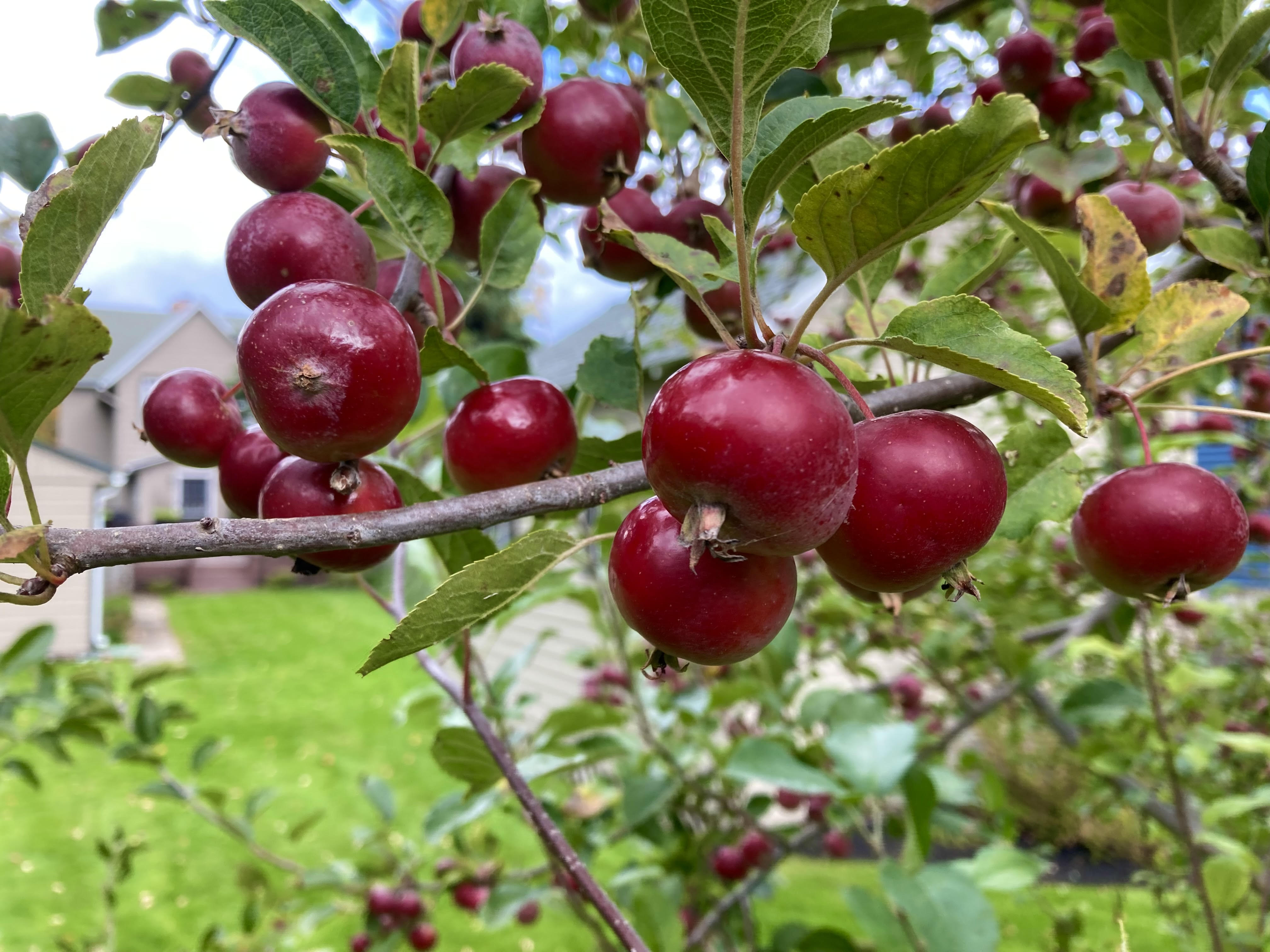
Each season has its own appeal. Summer months we revel in the resort vibe enjoying concerts, fireworks, outdoor movies, days spent beachcombing, shopping at farm stands, and lots of gatherings on our deck. During fierce winter storms we snuggle safely in our sturdy home, fireplace burning and soup on the stove, drinking wine with friends. Spring and fall are glorious, too, with acres of fruit trees in fragrant bloom or ripened apples hanging heavily at harvest, and a clean, sweet smell in the air.

In truth, our journey here was serendipitous, and we’ve never regretted it. Like the village on Lake Superior in the book I read so long ago, it’s an enchanting place filled with warm, kind people, and a peaceful quality of life.

From the time I was a child, immersed in Nancy Drew books, I wanted to write mysteries. One night several years ago, I dreamed the plot of my first Edmund DeCleryk cozy mystery, Murder in the Museum. Since then I’ve written three, published by Cozy Cat Press, all set on our lake with backstories that depict the history of this place we now call home. Writing has been a passion for me since I was young, but I never expected that someday my dream, coupled with a fascination with the Great Lakes, would become reality.
So Many Blogs…. by Karen Shughart

This is my 45th blog for Ladies of Mystery. I started writing at this site in September, 2019, and I’m proud to say I haven’t duplicated a topic, not once. That’s a lot of blogs, and when I realized how many I’d written, I was surprised and took some time to reflect on this. Is it really possible to blog every month and avoid duplication? Why yes, it is.

Think about it. There’s a huge world out there, with infinite possibilities for observation and discourse. You can write about the seasons, or the place in which you live. You can write about writing, the writing process, your latest releases, the struggles, and challenges, of creating a book or a chapter or the characters in your books. About marketing and promoting. You can write about family and friends and animals. Music. A special outing. It’s an endless list if you just look around and observe.

You can write about gardening, beaches, swimming or snowshoeing. Trips taken, meals eaten, beverages sampled, and cultural events you’ve attended. Wine tastings. Memorials to loved ones and pets who have passed. You can write about rain and snow and sun and wind. You can write about suffering, loss, and experiencing joy. During Covid, one of my blogs was about kindness and the many ways it manifested itself in our community; another about what it’s like to live across the street from a large lake in the middle of apple growing country.

Sometimes I whiz through whatever blog I’m writing for the month. My rough draft gets tweaked a little, and then voila, it’s ready to publish. Other times it takes a bit longer, sometimes more than a bit longer, as I search for the right word or tone or to put a semblance of order into my thoughts. It depends on the topic, and my mood, but eventually it gets done.

When I first started writing blogs here, I carefully constructed a list of the topics I wanted to write about for each month during that particular year, and I stuck to it. It helped me focus and because I was new at it, it also helped alleviate some anxiety when faced with a deadline. Then, occasionally, I would scratch the blog I planned to write for something that seemed more appropriate at that time. As I’ve become more comfortable, I typically pick my topic on a monthly basis, depending on my mood and life experiences at the time.

The books in my Edmund DeCleryk cozy mystery series typically run (give-or-take) about 70,000 words. I try to limit blogs to no more than 500, they’re easy to compose; really, no more than a page in a book. Plus, readers don’t want to spend a whole day reading a blog. And that’s why I’m stopping here. There’s more to write about, but I just checked and I’m coming up on those 500 words.

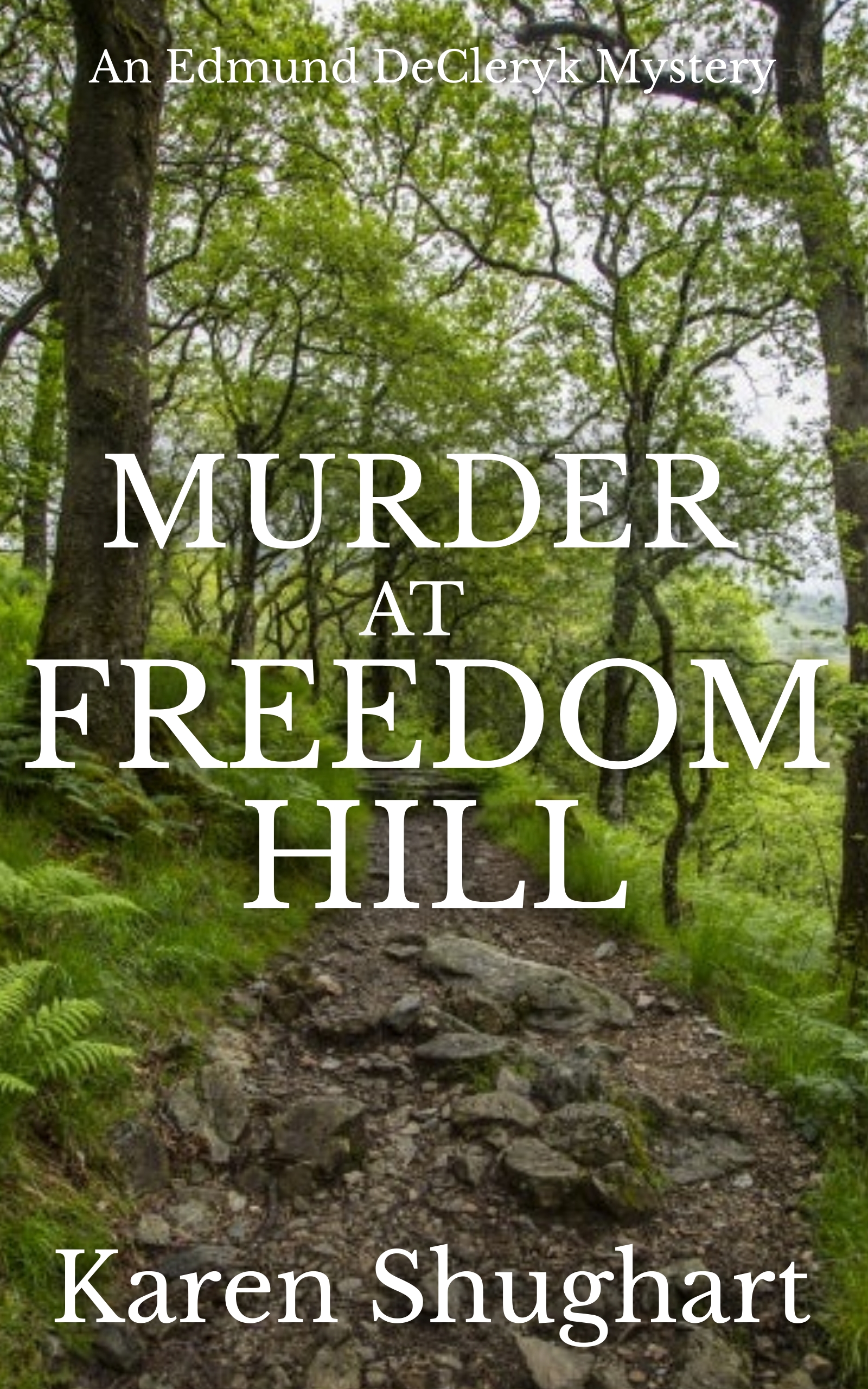
Karen Shughart is the author of the maritime-themed Edmund DeCleryk cozy mystery series that includes historical backstories with a twist, and recipes provided by the sleuth’s wife, Annie, the head of the local historical society. Book three, Murder at Freedom Hill, is an International Firebird Book Award winner in the mystery and fiction categories.

The Characters Keep Expanding by Karen Shughart

It’s fascinating to me how, with each successive book in my Edmund DeCleryk mystery series, the number of characters keeps expanding. With the first book there were a handful as I introduced the investigators and their families and friends, but the number grew as I included  the murder victim, witnesses and those involved as suspects or  who helped with the investigation.  While each book can be read as a standalone, because this is a series there are not only recurring characters- the support cast, so to speak- but new ones added as part of each new plot.  

For the first three books I was able to keep track of those characters without having to write their names on a chart, although occasionally I browsed through previous manuscripts when I couldn’t remember a minor character’s name. Now I’m in the process of writing book four, Murder at Chimney Bluffs, and keeping track of all the names has become much more challenging. So, to make things easier, I’ve created a list that includes old and new that I keep by the side of my computer to refer to when necessary. The list is so long that I now have two columns, divided into main and supportive characters, their friends and family, those involved in the historical backstory, or who are suspects or otherwise related to the crime or the killer.

Photo by Helena Lopes on Pexels.com

I’m asked if I construct an outline for my books and stick to a plot I create at the outset, but I don’t.  Instead I typically go where the story takes me. Like a train picking up cargo along the way, I add characters, or discard those who appeared in previous books if they’re not relevant to the current one. If appropriate, I’ll bring them back as the series continues.

 A former board member of the historical society and museum who retired and moved to Canada; his son; Annie’s predecessor who moved to England with her husband; a CIA agent who worked with Ed when both were Navy SEALS;  Ed’s close group of male friends from childhood ; Annie’s chums who comprise her support group; most have had at least cameo roles in all the books.

A new and influential member of Annie’s board of directors will appear for the first time in book four, and I expect he will also be a recurring character. Astonishing how the number has grown from book one to book four. At last count, I’m close to 50, some major and many minor.  As I think about it, what’s happened is that I’ve been building a community, and in the end, that’s what cozies do.

Karen Shughart is the author of the Edmund DeCleryk cozy mystery series, published by Cozy Cat Press. Her books are available in multiple formats at retail outlets and online. Read a recent interview about her writing with AllAuthor: https://allauthor.com/interview/karenshughart/

Fiction or Fact: That Is the Question by Karen Shughart

If you’ve read any of the books in my Edmund DeCleryk Cozy mystery series, by now you will have noticed that with each murder there’s a historical back story that gives clues as to why the crime occurred.

When I conceived the series I decided to write about what I knew, which meant describing the beauty where we live up here on the southern shore of Lake Ontario: the beaches; fruit orchards; quaint homes and cottages, and the stunning weather that changes with each season. There’s also our close knit and friendly community and a rich tradition of history.

Across the lake lies Canada and in the middle of it, where the depths can reach 800 feet, shipwrecks occurred starting long before the Revolutionary War. The British invaded our village and burned most of it down during the War of 1812, and an active and committed abolitionist movement and the Underground Railroad helped to change the course of history. In the 1920s, rumrunners from Main Duck Island in Prince Edward, Ontario piloted across the lake to Chimney Bluffs-drumlins created by icebergs with a broad beach below-to supply the speakeasies here with booze. During World War II, several prisoner-of-war camps housed German soldiers, one of which has been converted to a state park near our home.

Photo by ArtHouse Studio on Pexels.com

I’ve been asked numerous times, at books talks and signings, about the inclusion of history into my books and the incidents are real. While the historical events are based on actual occurrences, I remind my readers that I write fiction, so history is merely a way to enhance the plot. Mostly, the characters are fictional and the details surrounding the events are figments of my imagination, although I do occasionally slip a real character into the mix.

In book one, King George, III had a minor role; in book two, I name-drop Morgan Lewis, the fourth governor of New York and quartermaster general during the War of 1812, whose father was a signer of the Declaration of Independence. In Murder at Freedom Hill, I mention Abe Lincoln  once or twice along with Frederick Douglass and Susan B. Anthony, but only to provide context to the back story.

I just started writing book four in the series, Murder at Chimney Bluffs. It’s early days, so at this point I have no idea who my historical celebrity will be, but whoever it is will have either supported Prohibition or opposed it, or be one of those mysterious crime bosses who organized the trips back and forth across the lake. I’ll figure it out as I move forward.

What I tell my readers is that what I love about writing fiction is that I can pretty much do anything I want with the plot, name dropping and historical events notwithstanding.  I wouldn’t have it any other way.

November: A Prologue by Karen Shughart

After my first Edmund DeCleryk Cozy mystery, Murder in the Museum, was published, I decided to play around with the concept of having two prologues for subsequent books and contacted my publisher to see what she thought. She basically told me to ” go for it”, and in book two, Murder in the Cemetery, that’s what I did: the first to set the historical back story that alerts readers to why the murder may have been committed, and the second to describe the seasonal tone for the crime.

In book two I described the month of May in Lighthouse Cove, with its profusion of flowers and abundance of sun, a fitting backdrop to the crime that’s about to occur. In Murder at Freedom Hill, the third book in the series (now on sale in paperback and Kindle versions at Amazon and other book outlets) the second prologue is entitled “November”. I thought it was appropriate for this month’s blog, so here goes:

  For residents of Lighthouse Cove, NY, November was always a month of mixed emotions.  

There was a yearning for the blazing colors of October, the cool, crisp nights, starlit skies, bright days. For a low-hanging sun that could still warm the bones and ease the joints.  For the farm stands, now shuttered until spring, that had offered up a bounty of ripe produce, local honey, homemade baked goods and jams, fresh herbs.  For the hayrides and bonfires and deer spotting among the apple orchards. For the unbridled joy of chattering, costumed children extending small hands for treats as their parents kept a watchful eye; glowing lights illuminating their way.

There was also the peace that comes with tourists gone for another year and the ease of getting about.  The sound of waves, ambling onto the beach like lazy sloths. The geese and swans gliding effortlessly around the bay, no longer competing for space with boats and bathers, and the eagles soaring silently above on currents of wind. The rumbling and grumbling of street noises now muffled by a thick carpet of brown, fallen leaves.

 There was excitement and anticipation, too, in November.  For a day, later in the month, when families would gather to give thanks and then soon after, start to prepare for the hustle and bustle of the upcoming holiday season. For the hunters who had been looking forward all year to donning their camo, retrieving their guns, and stalking their prey in fields and woods, hoping to bestow upon their loved ones a largess befitting of their labors.

For some, November was also the month of grieving. A month of decay that precedes death.  Where what was past was past and would be no more, and what lay ahead was the chill and dark of winter.