An Early Spring by Karen Shughart

Here on the south shore of Lake Ontario we had a mild winter, and now we’re having an early spring. In February that rascally groundhog didn’t see his shadow, so he probably wasn’t surprised when our daffodils started peeking up from the ground, that green leaves emerged on our hydrangea bushes, or that lush catkins swelled the branches of our pussy willow tree. Robins began hopping about in search of worms, and we awakened to the cooing of mourning doves much sooner than expected. Geese obviously know things we don’t, we spied multiple V-shaped processions flying high in the sky, heading north to Canada, about a month early.
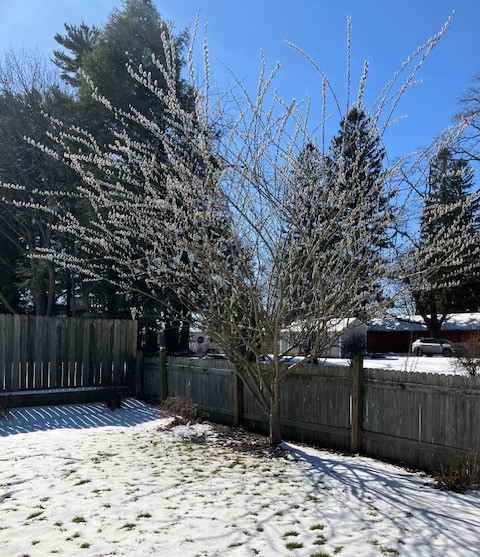
February was also a wild roller coaster ride – a day or two of sub-freezing temperatures with power outages, the result of vicious wind and driving rain or blowing snow — followed by a day or two of sweater weather, bright sun with temperatures in the 50s, 60s and on some days, 70s, Repeat, and repeat. Thank goodness we have a generator.

Now it’s March, the month that in our neck of the woods we call Mud Season. The reason for the name is that the several feet of snow we typically get each winter melts in a rush in a day or two, flooding our streets and making for swampy grass and a mucky beach. This year it never happened, we hardly had any snow. It’s odd, but then again, we’re not complaining.  I’m still clipping sprigs from the rosemary plant I grow in a pot on our deck, usually by now it’s turned brittle and yellow.

In the past I’ve never really loved March, we often travel south for warmth and sun, but this year we decided to stay home and put a positive spin on it. March, like its cousins June, September and December, spans two seasons, with winter ending earlier than expected and signs of an early spring everywhere.

The air smells softer, a sweet perfume of ripening earth, and instead of washed-out blue, the sky is now the color of a robin’s egg. The lake, more often than not, is cobalt with frothy waves of white instead of pewter and silver. The days are longer; and we often awaken to a coral-pink sunrise and cheerful birdsong. Instead of heavy coats and boots, we don sweatshirts or sweaters and sneakers for our daily walk.

This year, it’s as though a switch has been flipped weeks earlier than we expected. We’re enjoying it and the opportunity to spend more time outdoors as we anticipate the slow and steady movement towards the vibrant days of summer.

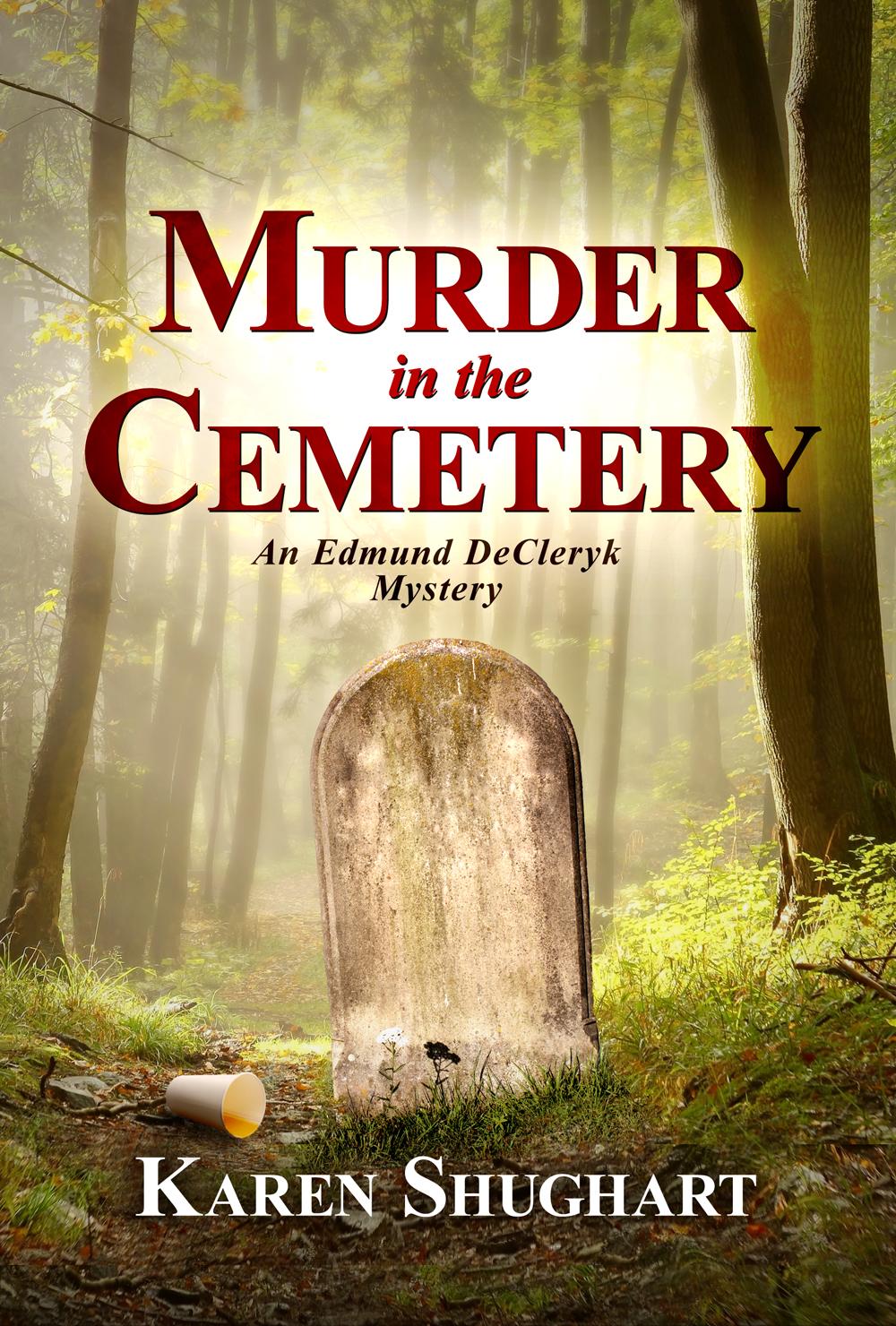
Karen Shughart is the author of the award-winning Edmund DeCleryk cozy mystery series, published by Cozy Cat Press. All books are available in Kindle, Kindle Unlimited, paperback, and Audible and at independent and chain bookstores and gift shops. She is a member of Crime Writers Association of the UK, North America chapter; F.L.A.R.E. ( Finger Lakes Authors and Readers Experience) and AllAuthor.
Let There Be Light by Karen Shughart

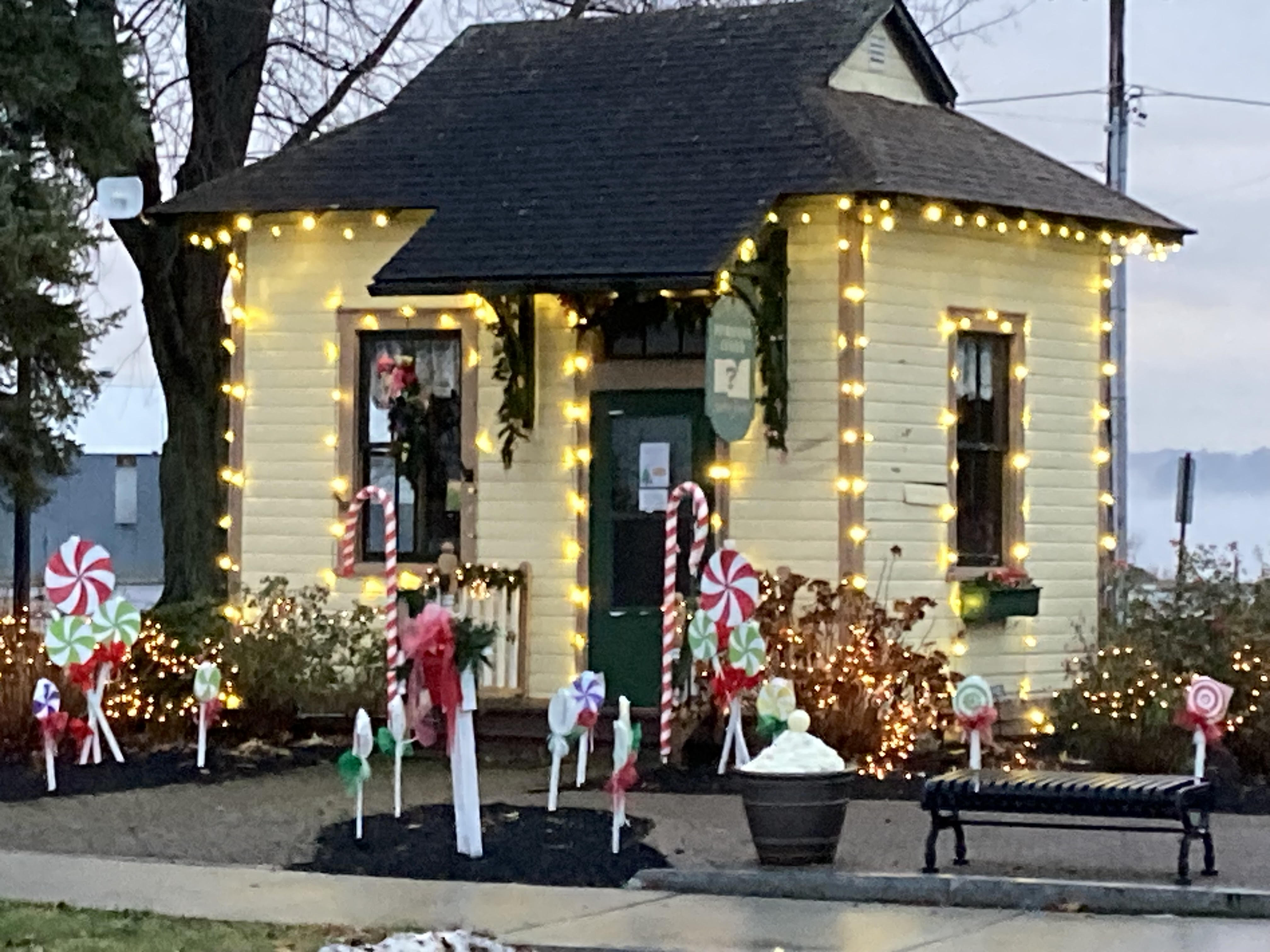
My husband and I live in a charming maritime village on the south shore of Lake Ontario in New York, the prototype for Lighthouse Cove, the village where my Edmund DeCleryk cozies are set. This time of year in our village activities surrounding the holidays abound, and there truly is something to do for people of all ages: festivals; tree lightings; parades; caroling; shopping and dining opportunities, and a judged competition for the best outside holiday decorations.

 I especially like writing about the seasons in my books. In my third, Murder at Freedom Hill, the crime occurs just before Thanksgiving with the investigation continuing through the entire holiday season. I enjoy describing how the folks living in Lighthouse Cove celebrate, with light-filled activities that juxtapose the dark, horrific murder that has occurred.

Ed, a retired Navy SEAL and former police chief, now works as a criminal consultant who is hired by the current police chief to solve the crime. His wife, Annie, head of the local historical society and museum, curates exhibits, organizes special events, and because of the historical backstories that frame each crime, often becomes involved in the investigation.

One of these special events occurs early in December, when the days are short and darkness prevails. A Festival of Lights, held on the grounds of the museum, provides diverse groups with an opportunity to showcase the ways in which light plays an important role in their cultures during this time of year:

Photo courtesy of Lyle Shughart

“The Holiday Festival of Lights was held in the park next to the museum the following Saturday evening and started at dusk. Tall stadium field lights provided illumination, and the museum staff and volunteers had strung multi-colored holiday lights on bushes and around tree trunks. Several portable fire pits had been placed at strategic spots near park benches to provide warmth.

The Neighborhood Association maintained a booth that offered free hot chocolate and cookies. Other booths, with representatives from local Christian, Jewish, Muslim, and Hindu congregations, offered information about their holiday customs including the significance of light, and samples of traditional holiday food.

Santa ambled through the crowd passing out wrapped red and white candy. A group from near Tug Hill brought live reindeer, tame enough to pet. Children hopped on the back of a fire truck, a huge wreath on its hood, for a ride around the block, speakers blaring seasonal winter songs.

A large evergreen tree located in the middle of the park was festooned with multi-colored lights; a Chanukah menorah, Kwanzaa kinara, and clay diyas—oil lamps representing the Hindu holiday of Diwali—flanked the tree on large tables on either side.

Towards the end of the evening, the high school student chorus handed out sheets for a sing-along and led the community in a diverse selection of melodies representing all the groups at the festival.”

A definition of the symbolism of light from the National Gallery of the UK states: “Across cultures, light is an ancient symbol of understanding and intellectual thought: it is the opposite of ignorance, or darkness. Almost universally, the dark is …frightening and sinister, associated with things we cannot understand. Light is said to conquer darkness and to bring order out of chaos.”

We all need a little light in our lives this time of year, so, let there be light!

To Prologue or Not to Prologue (#2) by Karen Shughart

I promise this isn’t a duplication of Paty Jager’s blog from last Monday. Paty and I frequently seem to be on the same page when choosing topics for our monthly blogs, and when I read her title, I was terrified that my extremely rough draft had somehow made it’s way into scheduling instead of her very well-written and polished one. Fortunately, my fears were allayed when I saw her name as the author. Whew! And while our titles are the same, we’ve written from our own points of view.

Each of the books in my Edmund DeCleryk Cozy mysteries has an historical backstory that’s related to the crime and provides clues to why the murder was committed. In book one, Murder in the Museum, the prologue introduced a character whose journal, written in 1845, was discovered at an archeological dig in Toronto, Canada. The prologue in book two, Murder in the Cemetery, ties the crime to a battle that occurred in Lighthouse Cove, NY during the War of 1812.

My creative juices really started flowing in book two, and I played around with writing two prologues: the first as described above; the other to introduce the setting, the month of May. You’ll have to read the book to learn why that’s important. My dilemma was which to keep and which to discard. I realized I was emotionally attached to both, so decided to get my publisher’s advice-few books are written with two prologues. Her quick response: “go for it,” and I did.

I’m heading down the home stretch with book three, Murder at Freedom Hill. Yet again, I’ve written two prologues: the first, the historical backstory – it takes place in 1859 in Lighthouse Cove during the abolition movement, when fleeing slaves boarded a schooner to transport them across Lake Ontario to Canada. The second is set in November, the month when the harvest is over, and the chill and frost of winter lurk just around the corner.  

What I love about writing this series is that I don’t have to follow all the rules. It doesn’t mean I am undisciplined; I certainly know how to craft a story from beginning to end, but I enjoy taking liberties with commonly accepted writing practices when it makes sense.

It’s up to us mystery writers to decide how our stories will be written. Some begin with the murder; others lead up to it, it can go either way. It’s the same for prologues. Sometimes a book needs no prologue, but at other times a prologue can set the scene and enhance the plot. And at times, two prologues are even better.