
My husband and I live in a charming maritime village on the south shore of Lake Ontario in New York, the prototype for Lighthouse Cove, the village where my Edmund DeCleryk cozies are set. This time of year in our village activities surrounding the holidays abound, and there truly is something to do for people of all ages: festivals; tree lightings; parades; caroling; shopping and dining opportunities, and a judged competition for the best outside holiday decorations.
I especially like writing about the seasons in my books. In my third, Murder at Freedom Hill, the crime occurs just before Thanksgiving with the investigation continuing through the entire holiday season. I enjoy describing how the folks living in Lighthouse Cove celebrate, with light-filled activities that juxtapose the dark, horrific murder that has occurred.
Ed, a retired Navy SEAL and former police chief, now works as a criminal consultant who is hired by the current police chief to solve the crime. His wife, Annie, head of the local historical society and museum, curates exhibits, organizes special events, and because of the historical backstories that frame each crime, often becomes involved in the investigation.
One of these special events occurs early in December, when the days are short and darkness prevails. A Festival of Lights, held on the grounds of the museum, provides diverse groups with an opportunity to showcase the ways in which light plays an important role in their cultures during this time of year:
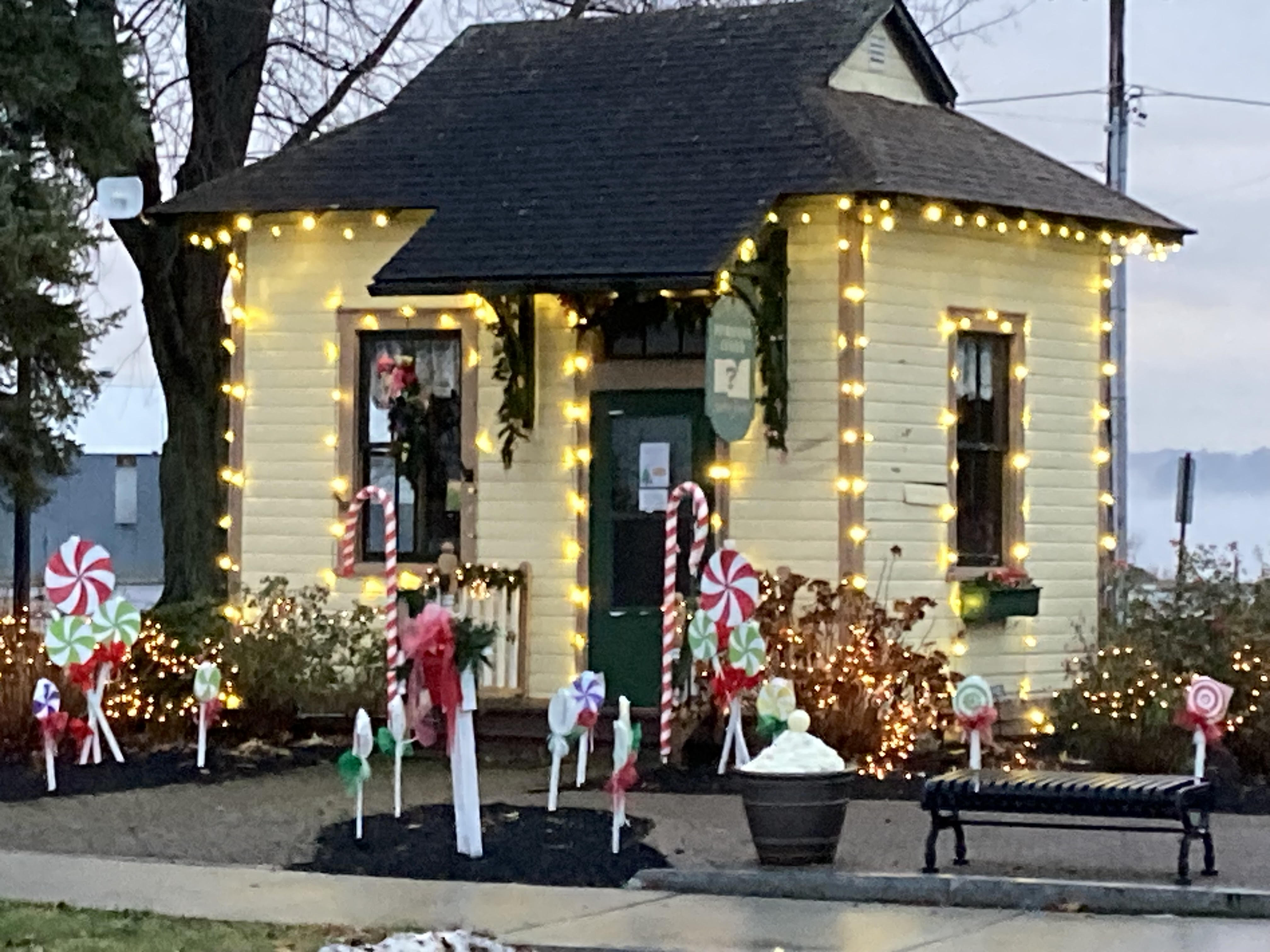
“The Holiday Festival of Lights was held in the park next to the museum the following Saturday evening and started at dusk. Tall stadium field lights provided illumination, and the museum staff and volunteers had strung multi-colored holiday lights on bushes and around tree trunks. Several portable fire pits had been placed at strategic spots near park benches to provide warmth.
The Neighborhood Association maintained a booth that offered free hot chocolate and cookies. Other booths, with representatives from local Christian, Jewish, Muslim, and Hindu congregations, offered information about their holiday customs including the significance of light, and samples of traditional holiday food.
Santa ambled through the crowd passing out wrapped red and white candy. A group from near Tug Hill brought live reindeer, tame enough to pet. Children hopped on the back of a fire truck, a huge wreath on its hood, for a ride around the block, speakers blaring seasonal winter songs.
A large evergreen tree located in the middle of the park was festooned with multi-colored lights; a Chanukah menorah, Kwanzaa kinara, and clay diyas—oil lamps representing the Hindu holiday of Diwali—flanked the tree on large tables on either side.
Towards the end of the evening, the high school student chorus handed out sheets for a sing-along and led the community in a diverse selection of melodies representing all the groups at the festival.”
A definition of the symbolism of light from the National Gallery of the UK states: “Across cultures, light is an ancient symbol of understanding and intellectual thought: it is the opposite of ignorance, or darkness. Almost universally, the dark is …frightening and sinister, associated with things we cannot understand. Light is said to conquer darkness and to bring order out of chaos.”
We all need a little light in our lives this time of year, so, let there be light!
 Ladies of Mystery
You must be logged in to post a comment.