My Brain Is Taking a Break

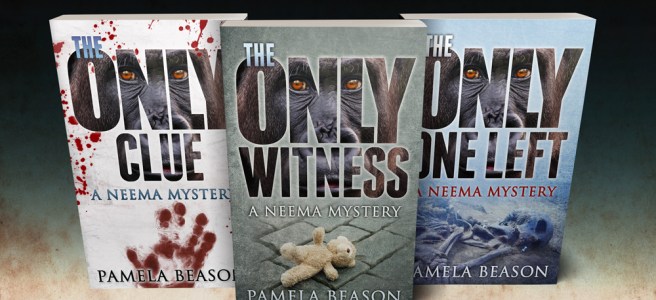
Ack! My post is scheduled for tomorrow, and my mind is blank. Not a single pithy idea is pinging around in my head. So, I’m just going to blather on about what’s going on while my creative brain is taking a vacation. I’ve finished the manuscript for my latest mystery, IF ONLY, which is a crossover novel between my Sam Westin Wilderness series and my Neema the Gorilla series, and trust me, it was not easy to mix those two very different settings and groups of characters, but I believe I pulled the blend off smoothly, although it took me a long time.
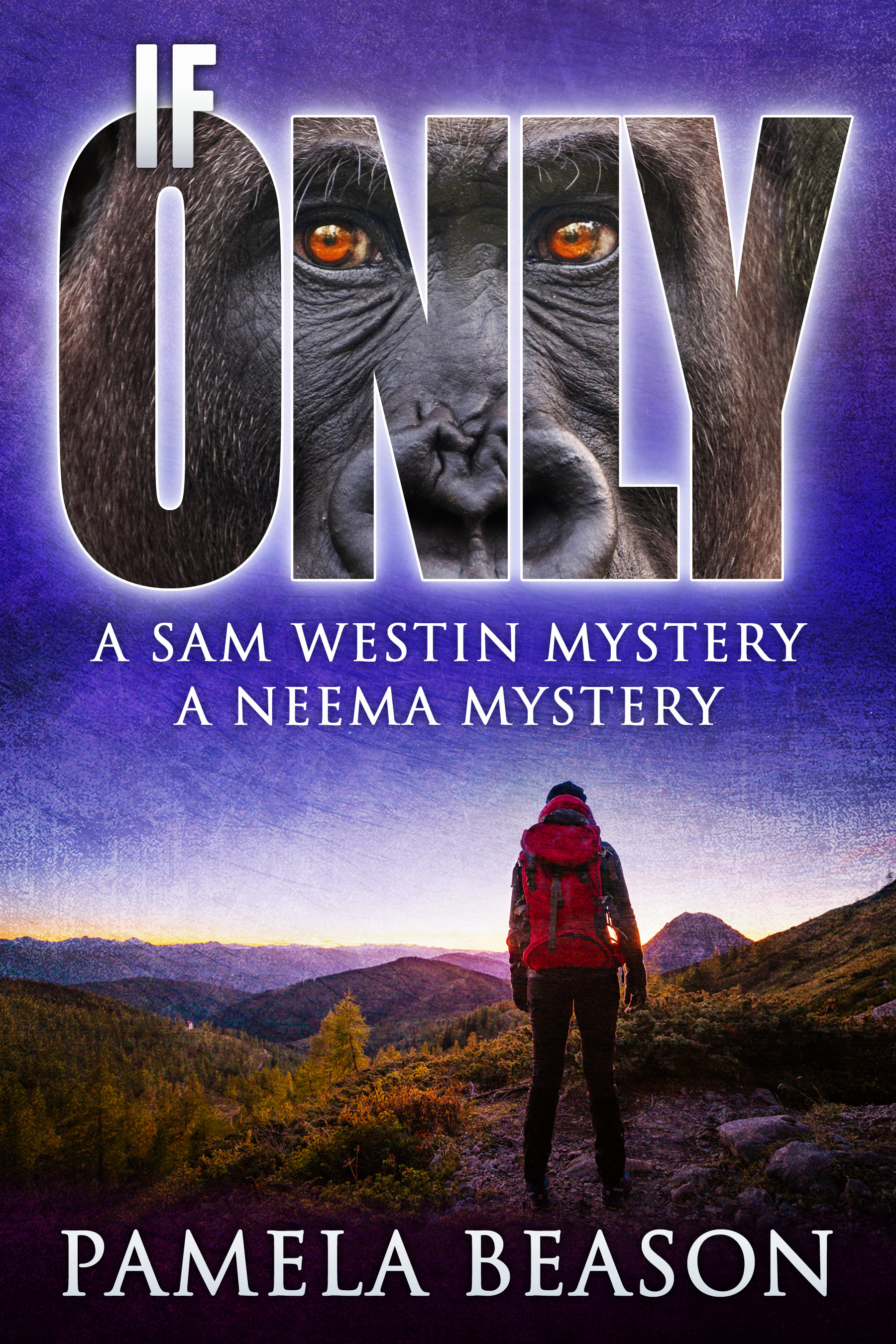
But then I ran into two snags. One, my editor is very busy and has been sick, so my manuscript has been held up in the final edit. Two, I planned for this book to be positioned in both the Sam Westin series and in the Neema series, cleverly eliminating the need to write another book for each series. But it turns out that Amazon will only allow me to place the book in one of my series, which then caused a need to make cover changes and dream up creative ways to make it clear that the book also fits in the other series.

I still have all the minutiae to complete after I make final manuscript changes: register ISBN numbers for both print and ebooks, make an ebook version for Amazon with links to my other books, make an ebook for Draft2Digital without those links, write the description for the book page, find appropriate keywords for the listing, etc., etc. Being a self-published author can be tedious, but at least I’m in control and making far more money than I did with a traditional publisher.

So, while I’m waiting for the final edit to arrive on my desk, I’ve been giving my brain a break with reading. I always read, and although I tend to prefer mysteries, I also read all sorts of other books, and I often read more than one at once. Right now, I’m reading two very different books, and they are both unusual picks for me. First, Jodi Taylor’s The Long and the Short of It, which is a collection of wacky humorous short stories. I rarely read short stories, and even more rarely read humorous stories, but these are much more entertaining to me than most, as the plots involve historians who travel back in time and accidentally muck up the details of historical events. Second, I’m reading Camp Zero, a post-apocalyptic story about groups of people who have been posted in the arctic for mysterious reasons having to do with discovering pristine air and livable places for humanity as the southern half of our planet devolves into climatic and political chaos. However, in Camp Zero, it’s clear that men, and not necessarily honorable men, are in charge of all these experiments, so it’s never clear what is going to happen next.

These make a great break from my normal reading. Lately I’ve been plowing through Sara Driscoll’s FBI K-9 series, which has great suspense and action as the protagonist works on life-and-death cases with her canine partner. I will definitely return to that series later. I adore stories that honor the abilities and intelligence of animals, although my cats often express the wish there were many more books that feature feline heroes.

Soon IF ONLY will be out, and my attention will then be diverted to marketing, which I am generally terrible at. But for now, my mind is having a great time in the virtual worlds created by other writers.

What is it about the Great Lakes? by Karen Shughart

A book I read as a child, set in the 1950s on Lake Superior, resulted in a lifelong fascination with the Great Lakes.  I can’t remember the title, I wish I could, but I do remember snippets of it: family gatherings that included winter sports and summer outings; homemade ice cream made with snow and maple syrup; berry cobblers when the sun was warm and the days long and bright.

I grew up in a city about two hours from Lake Erie, and I have happy memories of family trips there: beaches, amusement parks, and many attractions you’d find at the ocean, but without the salt or sharks. We went to the Jersey shore on the Atlantic, too, and I loved it, but for some reason I always felt drawn to that lake. Many years later, I attended college in Buffalo, NY, and when the weather cooperated spent weekends at a beach cottage owned by family friends in nearby Fort Erie, Canada.

As fate would have it, about 20 years ago my husband and I decided one weekend to explore Lake Ontario, north of where we lived in Pennsylvania.  We discovered a tiny village through the internet; found a charming B&B with water views that was a short walk to the lake, the bay, a small but bustling business district, museums and restaurants, and a quick drive to Finger Lakes’ wineries. Two weeks later we bought our house.

We never expected to live here year ‘round, we planned to use the house as a getaway, but as time went by we were drawn to the region’s many charms.  We worked diligently to restore our house, it had been built by a lighthouse keeper more than a century ago and needed loving care. There’s mystique here: shipwrecks; sightings of massive lake creatures; British ships invading our village during the War of 1812; the transporting of runaway slaves to Canada; a rumor that a tunnel under our backyard hid some of those slaves before they fled. And the brisk business of rumrunning during Prohibition.

Each season has its own appeal. Summer months we revel in the resort vibe enjoying concerts, fireworks, outdoor movies, days spent beachcombing, shopping at farm stands, and lots of gatherings on our deck. During fierce winter storms we snuggle safely in our sturdy home, fireplace burning and soup on the stove, drinking wine with friends. Spring and fall are glorious, too, with acres of fruit trees in fragrant bloom or ripened apples hanging heavily at harvest, and a clean, sweet smell in the air.

In truth, our journey here was serendipitous, and we’ve never regretted it. Like the village on Lake Superior in the book I read so long ago, it’s an enchanting place filled with warm, kind people, and a peaceful quality of life.

From the time I was a child, immersed in Nancy Drew books, I wanted to write mysteries. One night several years ago, I dreamed the plot of my first Edmund DeCleryk cozy mystery, Murder in the Museum. Since then I’ve written three, published by Cozy Cat Press, all set on our lake with backstories that depict the history of this place we now call home. Writing has been a passion for me since I was young, but I never expected that someday my dream, coupled with a fascination with the Great Lakes, would become reality.

What I Do When I Hit the Brick Wall

Once, when I was whining about how difficult it was to be discovered as an author, my mother remarked, “Well, you must like hitting your head against a brick wall.” (Such support, right?) Of course, she meant that I could do much easier things instead of trying to publish novels.

It’s always hard to be an author, and at least for me, with all the Covid restrictions these days, it seems even harder now. Although I long to escape to another world and another life, most days my brain seems incapable of creating that fictional place and story.

When I speak to high school students about the writing life, I ask them to name the most important trait needed to become a successful author. They guess aspects like “good grammar” and “imagination,” which are important, but not the most important. The correct answer is “self-discipline.” Nobody makes a novelist work forty hours a week. There’s usually no guarantee of payoff for all the hours we put into assembling words into stories. We have to make ourselves sit down and write and edit and finish a book. And then most of us have to make ourselves market that book, too. So, as we toil away at our computers and rearrange endless Post-It notes or Scrivener outlines, it’s all too easy to hit the wall and simply not want to continue.

I smash into that dang wall on a pretty regular basis. I get stuck on plots. I decide my writing is total crap. I’m almost always certain I don’t have a clue how to market a book.  Sometimes I don’t even how to finish the freaking story.

But I know I want to try. So, I back up from that wall, bandage my injuries, then take a long solo walk or paddle my kayak around the bay. Some evenings, I’ve been known to have several glasses of wine and feel sorry for myself. But I allow myself only a day to wallow in self-pity. The next day, I suck down several cups of good coffee and get to work on employing these techniques for getting over or around that invisible barricade.

To help with writing:

  • I read a mystery that I love that is similar to what I’m trying to write, and make notes about what happens in each chapter. This must be a book that I’ve read at least once before, because I don’t want to get so involved in the story that I can’t see the structure. I’m not going to copy the plot or characters, but taking notes about the structure allows me to see how the author built the story. Then I can often see where I am going wrong, usually by telling too much too soon, or straying off on some tangent that kills the suspense.
  • I watch a movie in the same genre and take notes of the scenes to accomplish the same goal I described above. Again, this should be a movie I’ve seen before, so I don’t get too wrapped up in what’s going to happen next.
  • I read an instructional book on writing mysteries. Yes, I know all this stuff, but I need to be reminded over and over again.
  • I brainstorm with another writer, asking for criticism of my story and for any and all ideas for improvement, no matter how wacky. It’s easy to lose all objectivity about your own writing, and it’s also easy to fall into a rut, so you need to seek out the ideas and opinions of others. I generally don’t end up using most ideas presented to me, but brainstorming sessions open my brain to new possibilities.
  • I practice writing the short description for the story that will go on Amazon or on the back of the book. This is always an agonizing exercise for me, but it often causes me to focus on what the heck the story is really about.

To help with marketing:

  • I Google other authors who are similar to me and look at what they do on social media and their author websites and such.  Since I am an indie author now, I mostly look at other indie authors, because traditional publishers have larger advertising budgets and more marketing opportunities than most indies do.
  • I ask other mystery authors at my level (or slightly above) and in my genre which marketing techniques and advertising sites have worked for them. I write mysteries, so it won’t help much to ask a nonfiction author or a romance or fantasy author; I’m seeking ideas on what works for marketing mysteries.

The process of writing, editing, and marketing a book takes a long time for most of us. I meet many writers who finished writing a story but did not bother to proofread or polish it, uploaded the rough version to the internet, and then got frustrated and bitter when that effort did not result in massive sales. I call this group “hobby writers.” They aren’t yet professional authors. Professional authors know that writing and marketing books is work, and they are willing to put in the days to push on when they hit the wall. The process doesn’t necessarily get easier with each book, but we know that when that barricade inevitably looms in front of us, we will find a way to get around it.