SHUT UP AND LOVE!

The title, Shut Up and Love! is a quote that belongs to my beloved Aunt Cindy, who died unexpectedly in her sleep three weeks ago. And though I’m writing a blog about this unimaginable loss, there truly are no words.

Cindy was only two years older then me, so not only did I lose one of my favorite aunts, but I’m also now looking over my sixty-six year old shoulder for the grim reaper.

Like me, my aunt had a strong faith, so it comforts me to know she’s traveled over the rainbow and beyond to be with family and friends who have gone before her. And though I believe what awaits me is better than my life here, I’m having a hard time accepting that the end draws near.

Do I only have two more years? I seriously hope not, because I’m not going to be ready. It’s taken me a year to write my next two books, and while I’ve loved every minute, I find myself worried about what I should write next. Do I only focus on one book, or should I try to write four?

My faith tells me it’s not my place to worry about my time on earth, nor plan for when I’m no longer here, but as a consummate planner, this logic goes against my nature. Hence, why my planning gene is on full throttle, making lists and checking them twice.

Am I in good health? Should I lose weight? Is it possible to live forever?

I know the last question might seem ridiculous, but even as a little girl, I wanted to live forever. I remember telling my mom I planned to live until my 100th birthday, complete with an elaborate description of my party. Yes, I know living forever is a lofty goal, but I know I’m not going to be ready to leave planet earth. Leave my kids, grandkids, friends, and family.

One of my favorite quotes is:

Life is not a journey to the grave with intentions of arriving safely in a pretty, well-preserved body, but rather to skid in broadside, thoroughly used up, totally worn out and loudly proclaiming … WOW! What a ride! 

And I would add: Fifteen minutes late, with a margarita in hand, still asking for more time!

Since I don’t have a crystal ball, the answer is simple. Live for today. Write my books, short stories, blogs, birthday cards. Spend as much time with my kids, grandkids, friends, and family.

Take the love my Aunt Cindy and I shared and find a way to weave the beauty of our feelings into the characters that spring from my imagination. Maybe there’s a favorite aunt in my

Stoneybrook heroine, Harley Harper’s future. Or does the hero, Wyatt Stone, have a meddlesome aunt who needles him about his relationship with Harley.

And if you’ve been kind enough to read my previous blogs, then you know I love Mexico. What if my Aunt Cindy appears as a character in Chaos in Cabo. Or maybe she must save her nephew in Lost in Loreto from a shotgun wedding.

I know I haven’t met most of you in person, but you’re fellow writers, so I wish you good health. Long lives. And a river of words to fill the pages.

And please, Just Shut Up and Love!
A summer of surprises

In the summer I’m usually deep into editing an anthology, and this year is no different. I’ve been doing this for most summers since 1989, when a friend and I started The Larcom Review. This summer I’m working on the third anthology from Crime Spell Books, which I co-founded with Leslie Wheeler and Ang Pompano, and have continued with Leslie and Christine Bagley. Our third anthology is Wolfsbane, which comes after Bloodroot and Deadly Nightshade,. in the annual series of Best New England Crime Stories.

This wasn’t going to be my topic for today but I find myself thinking about the sixth Anita Ray mystery I’m working on somewhat desultorily. And this is a surprise because when I sit down to write my thousand words for the day, sometimes after having skipped a few days, the characters keep surprising me. The setting in a resort in South India is the same but nothing else is quite so.

One of my walk-ons got himself killed, though I don’t know why or exactly how; I just know he’s very dead, at the bottom of a cliff in the Kovalam resort. I’ll have to figure that one out. And the expected main character has morphed so many times that he may morph himself right out of the plot, even though that’s not my intent. Meanwhile the counter to Anita Ray has turned out to be more fatuous than anticipated but has thrown one of the best spanners into the plot. And I finally figured out why an elderly woman was able to leave India, without a husband to support her, and move to the States with her young son. None of this is in the synopsis I roughed out several weeks ago, and none of it tickled my brain while I was writing it. It seems to have been hidden in my fingers or the keyboard.

But the most amazing discovery is Anita Ray’s perspective on her own work as a photographer. She has been adopted as a mentor by a young man who is clearly gifted and comes to her for advice. She’s willing to help and enthusiastic about his work, recognizing his distinctive use of color, texture, pattern. He has some gaps in his technical knowledge, and limitations financially; he can’t afford to have every image printed out for examination and critiquing. But he obviously has a bright, perhaps significant future if he can hold on under difficult circumstances. His work and trust in her judgment set Anita thinking, and she enters a phase of an artist’s career that can be deadly or transformative. 

I have no idea what will happen to him. He could be a figure in the mystery itself, dropping clues or finding them, or another victim, or just someone who brings Anita to the fore in a different way, which would make him useful but little more than a background figure. I don’t know now and won’t know until I write again and pose the question.

All this began when I came across a post by Michele Dorsey challenging writers to write one thousand words a day without any plot outline or specific goals. A thousand words is far less than my usual daily goal when I’m working on a novel, so I thought I could fit that in easily while I was working on the anthology. And I did, for a while. Now I write three days in a row, for example, and two days doing something else. And there’s no reason for this except myself-discipling seems to be flagging.

Peter Dickinson, one of my favorite writers, was once asked if his characters took on a life of their own, a fairly standard question for a writer. He replied that there’s little room for surprises in his work once he starts writing because he develops an extremely detailed outline before he begins. I tried that once, and it didn’t work for me, so I admire anyone who can do that. Until that talent comes to me, I’ll continue discovering the world of my characters, and hope it all makes sense. It will be weeks before I know, so I’m learning patience—again.

Amazon and Gaming the Objective Review

First, let me congratulate Amazon on a recent update. I presume authors reading this have noticed that when you do a search on a title, Amazon has changed how the customer reviews are presented: 4.3 (80% 4 or above). Why is this a good thing … and why does more need to be done …? Read on.

The Good Thing

Amazon’s new reporting of customer ratings is a step toward overcoming the pull of the extremes. A simple example is this: The first two readers gave the book a 4 and a 5. Along comes one curmudgeon who gives it a one (they thought it was a ghost story when it wasn’t). The book now has a customer score of 3.3. Though the book will never achieve a 5-star rating (ever), readers looking for a solid mystery will see that 66% of the raters gave it a 4 or above. In other words, most readers scored the book high, indicating the low scores are random and incidental.

Disturbing Trends

There are two disturbing trends, the first promoted in how-to-books on independent publishing and by marketing/sales gurus. That is to game the customer review system by having one’s followers or sites offering customer reviews flood a book’s page (particularly a new book) with 5-star reviews. Not a bad plan, except it makes a score of 5 meaningless and it hurts all buyers. If the scale means nothing on what does a mystery reader base their purchase? Further, it hurts new or other authors of equal quality with fewer followers.

The other, far more disturbing trend is this (recently noted in a New York Times article). A book consistently scoring in the 4-5 range is hit by a host of 1s. Within days of each other. To be clear, to be a 1 a book should be abysmal. So, a book that is truly a 4 or 5 cannot turn into a 1 overnight. It cannot. How does this happen?

Two ways. One, a reader dislikes something about the book that is a trigger point for them. That reader gives the book a 1 based on their trigger, then convinces friends or their reading group to do the same. It is a protest of sorts having nothing to do with the quality of the book, but a way to dis- and ban books that do not agree with one’s belief whether those beliefs are mainstream or not. And second, it may be used by authors or marketers to increase a book’s sales by effectively taking out competition.

What makes this possible is that a rater doesn’t have to read a book to rate it, which tells us that all customer scores are suspect. Amazon’s own policy reads: You can leave a rating or review for a book that you didn’t purchase on the site*. And when an Amazon review indicates a certified purchaser, it means: You must have spent $50 on Amazon.com, using a credit or debit card, in the past 12 months, to: Create reviews (including star ratings) Answer customer questions. Submit helpful votes. * These policies make it possible to line folks up to either praise or torpedo a book.

What Can Be Done

I don’t know how to stop this, fight it, or change it. Any change is unlikely with the publishing environment so competitive, readership down, and gaming the system (though inherently immoral) considered a legitimate marketing tool.

The only sensible solution is that all scores (but especially 5s and 1s) require a written review to count. The review cannot be one word “garbage” or “wonderful” but an explanation of fifty words or more about why the score given is valid and that gives some assurance the book has been read. This way the poor person trying to discover a new mystery can decide if the score of 5 or even 1 has any virtue.

In the meantime, Amazon has taken a step in the right direction.

The Importance of Research by Karen Shughart

 I recently attended a conference in Pennsylvania called Murder As You Like It that was for writers and readers of mysteries. I was fortunate to have been asked to participate with a group of other authors on a panel where we discussed the importance of research in our books.

My books are cozies that take place in the present in the fictional village of Lighthouse Cove, NY, modeled after the village where I live. Each has a historical backstory that provides clues as to why the murder occurred, all of them based on an actual period of history in our community.  Although for the most part my characters are fictional, King George, III; Abraham Lincoln; Frederick Douglass, and Susan B. Anthony are among real characters I name as part of each back story, and real universities, museums, and tourist attractions as they fit into each plot.

My sleuths follow clues that lead them to Rochester, NY; Niagara-on-the-Lake, Gananoque, and Toronto, Canada; London, England and Charleston, SC. I’ve visited these places and creative license aside; my descriptions are fairly accurate. While I don’t use the names of real newspapers, concerned that my reporters wouldn’t reflect their editorial policies and methods, I have used the name of one of our regional magazines, with permission.

When I started writing the series, I decided that it was also important to make the investigative procedures as accurate as possible, so the books had believability. I was fortunate to have been accepted into a citizen’s police academy sponsored by our local sheriff’s office – once a week for nine weeks, six hours each time- where I learned about the criminal justice system in our county. We ate lunch in the jail, watched K 9 demonstrations, and heard speakers who were experts in their fields.

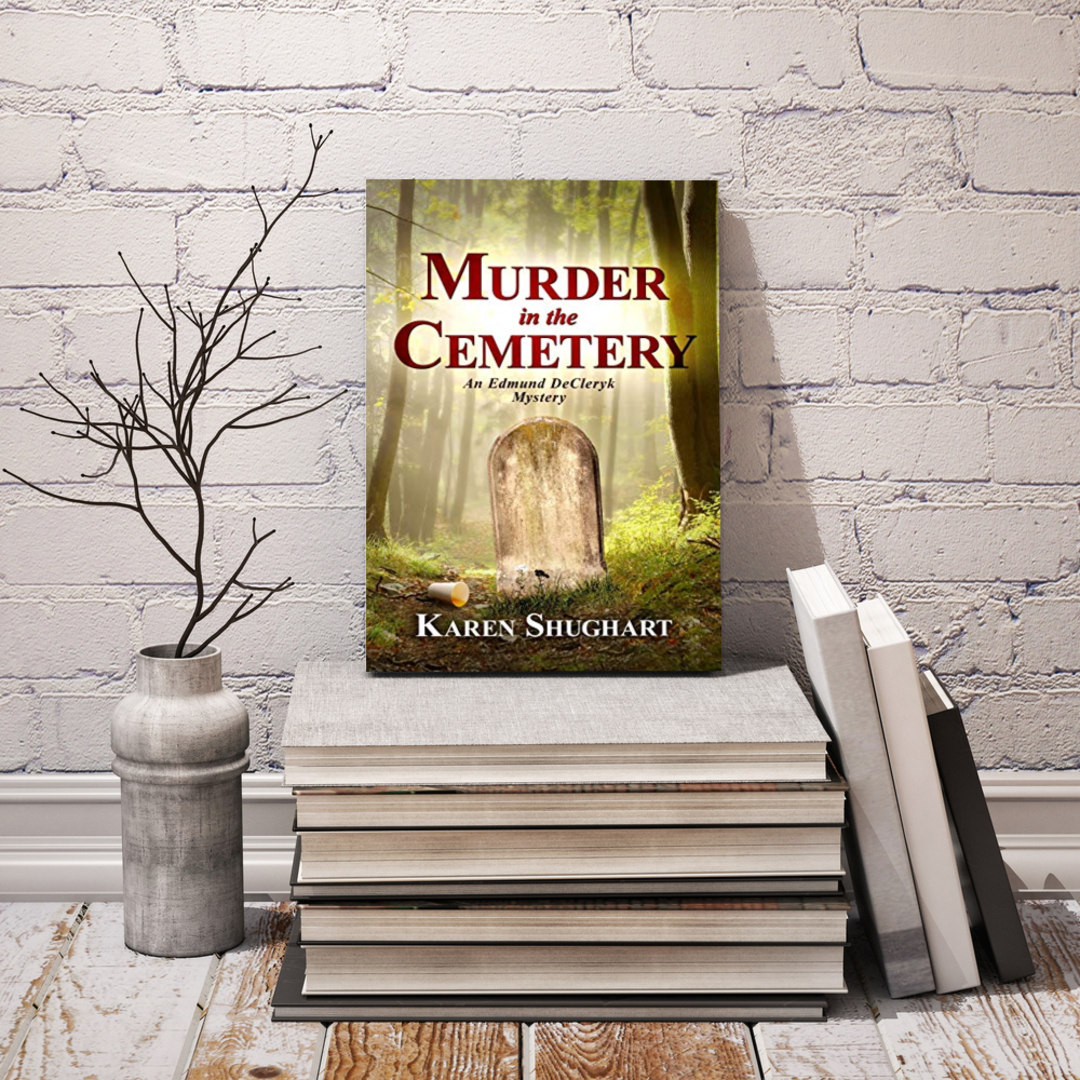
My favorite research tool is talking with professionals who know how investigative procedures work. I’ve been able to interview our DA, a professor of criminal justice, a retired police officer, a commander for regional police force; medical professionals.  In book two of the series, Murder in the Cemetery, the sleuth has a friend who is with the CIA whom he calls upon for advice. It took a bit of chutzpah, but I decided to contact the real CIA to see if I could interview someone there with questions, and low-and-behold, it worked. They reviewed my credentials, and I got a call from their public affairs officer shortly after. It never hurts to try.

Yachts in present time and rumrunning boats during prohibition figure into the book I’m writing now. A friend of mine, after retiring, got his captain’s license and now appraises boats for insurance companies. He’s been a treasure-trove of information.

 Realistic research adds authenticity to the stories, and I think it’s the interplay between fact and fiction that’s so much fun for me to write and I hope, makes the stories interesting to my readers.

Reverence Lost

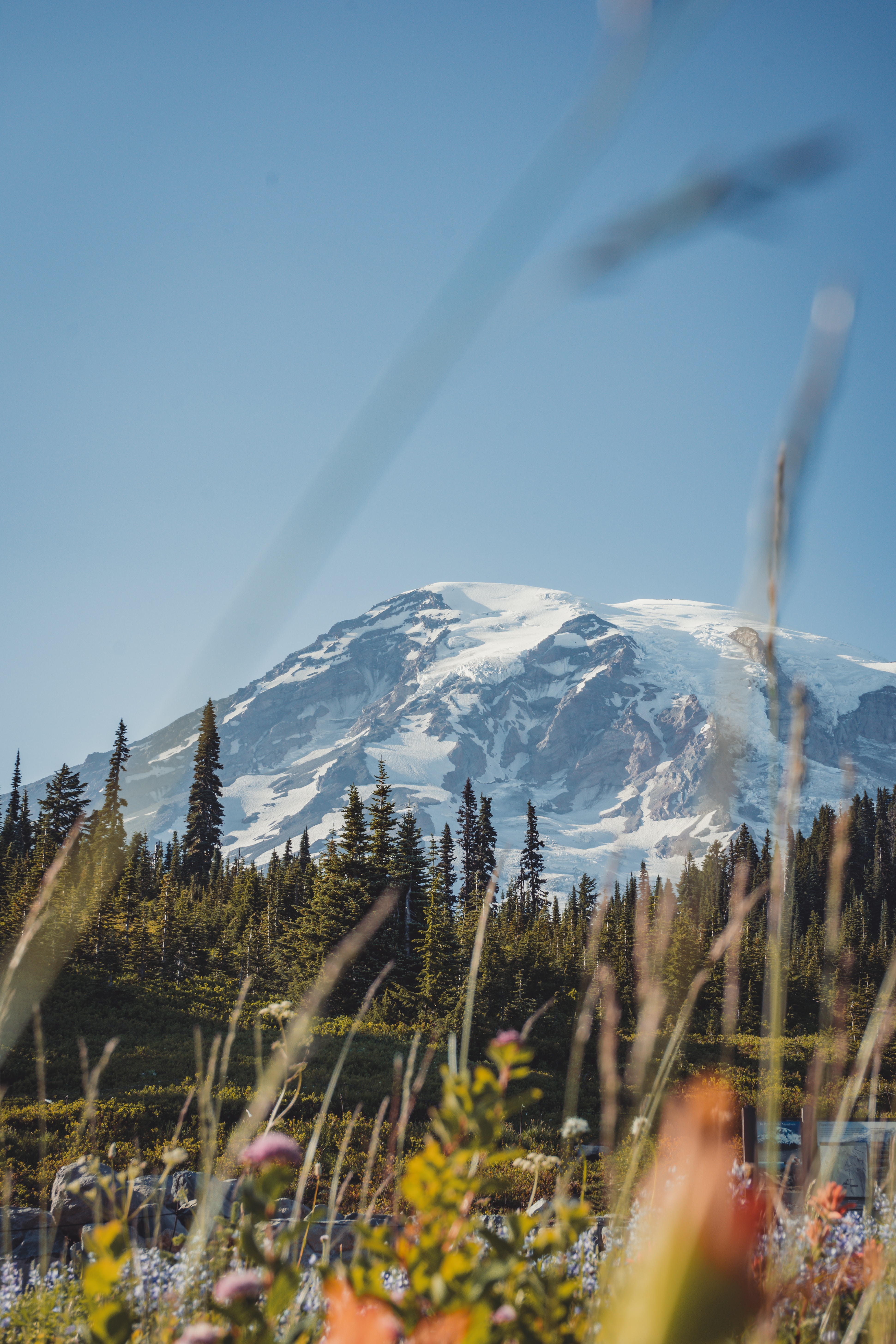
During the recent Perseid meteor shower, visitors to the Sunrise area of Mount Rainier National Park invaded delicate alpine flower meadows and trapped fellow visitors for hours by parking in unauthorized locations. Apparently, for most it was all about the event and the competition for space, not about the magical park they were in. The destruction of wildflowers and other alpine plants could take decades to heal. A trampled flower cannot produce pollen or reseed itself.

What wildflowers? We only wanted to see the meteors, it was dark, you know.

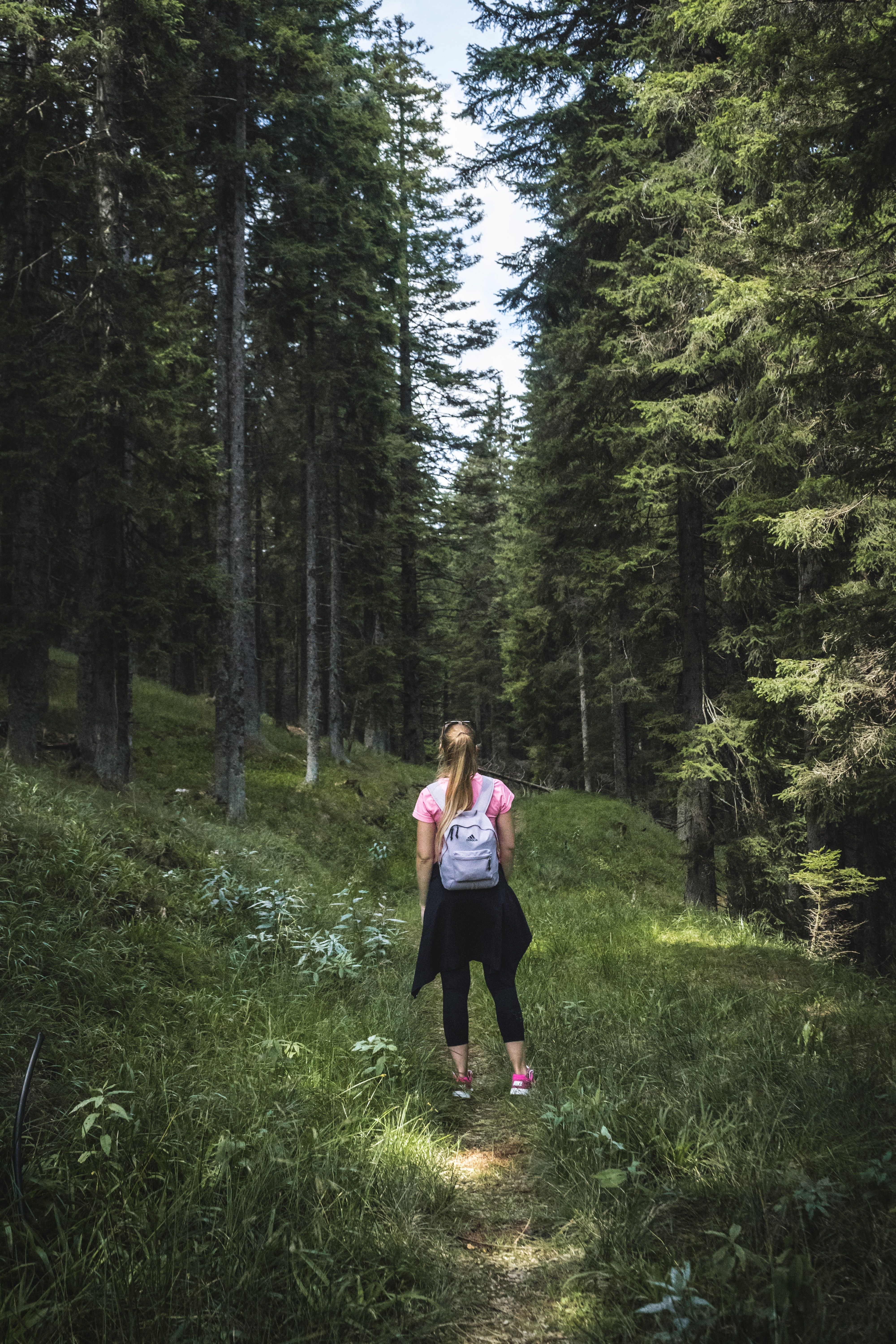
Trail running has become so popular that in many scenic natural areas, runners now skip the permit process, which is designed to protect the unique environment, and simply race as fast as possible through amazing regions such as The Enchantments in Washington State.

Ran the whole thing in six hours. How long did it take you?

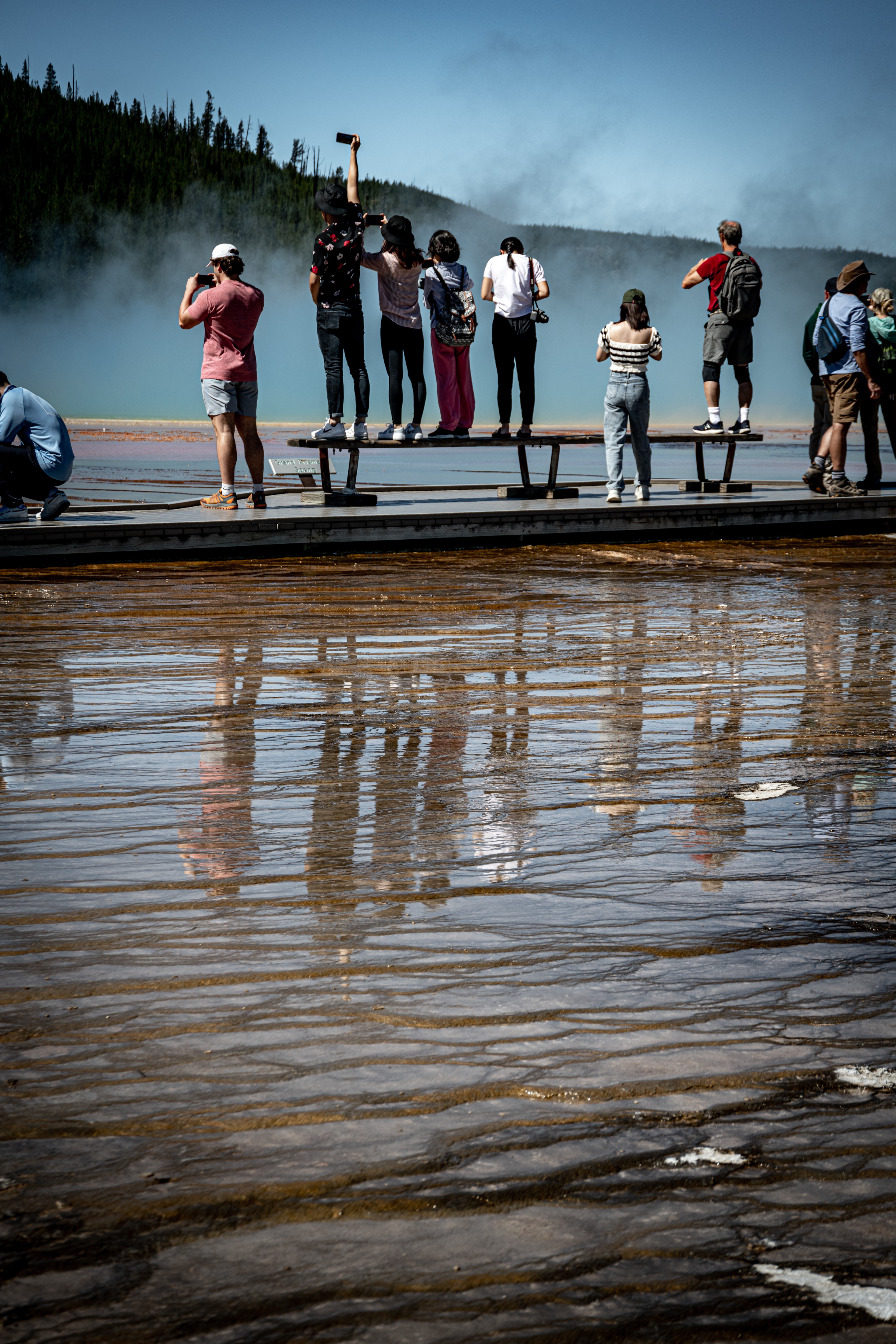
In Yellowstone National Park, so many people are taking selfies with wildlife that rangers had to issue a special warning to alert these crazies to the dangers of approaching wild animals. Visitors have been gored by bison, and elk calves have had to be euthanized after visitors separated babies from the herd.

I was only trying to pet that buffalo; why did it do that?

I recently had lunch with a tour guide from Rome, who told me that masses of tourists now line up to take selfies in iconic locations. She said that they are not interested in history or culture or experiencing any aspect of the Italian way of life. They want only the photos of themselves in front of as many landmarks as they can visit. It’s gotten so bad that the city of Portofino, Italy, has now instituted a fine for tourists who occupy spots for too long while taking selfies.

Me, in front of the Coliseum. And here I’m sitting on the Trevi Fountain. I tried to get in it, but there was this really mean cop. This is me in front of some famous cathedral; I can’t remember which one.

When I was in Iceland a few years ago, my group was oohing and aahing over all the incredible waterfalls. (The country should really be named Fossland, because foss means waterfall and the dramatic cascades are everywhere.) We’d walk and explore and hike. But we were frequently elbowed out of the way by groups wanting to take selfies of themselves against those backdrops or fly drones to capture their own videos to upload. Our tour guide pointed out to one Asian visitor the sign that read “No Drones,” about 10 yards away. The guy said, “Yes, but I’m not over there. I’m here. And there is no sign here.” These groups stayed only minutes; just long enough for each individual to take that selfie.

My hair looks good, even though the wind blows so hard in Iceland.

I’ve now heard several children say that they want to grow up to be “an influencer.” Really? Have they lost the ability to care about anything but themselves and how many followers they can attract? These individuals are all about posting online and checking off a place or experience from their “cool” list. Without the selfie, would they even remember being there? And what the heck do they do with all these pictures of themselves? Are they their own heroes? Do kids have posters of themselves in their rooms?

How can I get more people to follow me?

Personally, I find all of this very disturbing. These people may gain followers online but they seem to have lost so much in real life: a sense of wonder and respect about the natural world and the creatures we share it with; a curiosity about history and how the world works; a reverence for life itself.

Who needs nature? It’s much faster to look at all that stuff on Instagram or TikTok.

I hope that I can always infuse my writing with my reverence for the natural world by fully describing adventures (awesome or terrifying) in wilderness, observing and communing with wildlife (amazing or frightening) whenever I can, and appreciating each place (remarkable or horrifying) I encounter. I want my life to take place in real time and be as sensory as possible. Not just in an account on a computer or cell phone screen. And I certainly hope the readers of my Sam Westin series feel the same. I’m currently working on the 7th book in the series.