Bad Actors

Mysteries, even the lighter ones, touch on the darker side of human nature. There is a wrong to be righted, not just a puzzle to solve. Since I don’t write about murder, I alternate between what I think of crimes of the spirit and actual crimes. The antagonist is usually based on someone who made me angry, created a sense of outrage, or gave me the creeps. In The Calling, Mae Martin encounters a professor who appears to be unethical in his relationships with female students and colleagues, and there’s a dark spiritual power around him as well. Shaman’s Blues starts with missing people, one who may be connected with a ghost, and one who claims to read auras and gives strange advice. She was inspired by someone I met many years ago in Santa Fe and never forgot—because people seemed to believe her, despite the dubious nature of her guidance. The exploitation of others’ spiritual longings and desire for healing is a theme I explore often. Living in New Mexico, where alternative medicine and spiritual seekers are a big part of the scene, I’ll never run out of material. There are many excellent practitioners here, but there are some questionable ones as well.

Because of the hot springs, the land where my home town, Truth or Consequences, is situated was a healing place for the Apaches long before Europeans arrived. Visitors come here now for retreats and to recover their health and peace of mind. I set my most recent book, Death Omen, here, for that reason. Some of it takes place in Santa Fe and on the road, but much of the third act takes place in one of Truth or Consequences’ hot springs spas. The antagonist claims to be a healer and a visionary who can see past incarnations. If she’s not what she says she is, her followers may be risking their lives.

*****

Shaman’s Blues, book two in the Mae Martin series, is currently on sale for 99 cents.

Small Change, Big Change

When I started improvising my current work in progress, I had a seed for a plot in mind, but it changed directions because of one small thing. My first-round chapter-by-chapter critique partner told me that the name I was using for a character’s business, Minerva Press, is a real publishing house. No big deal, I thought. It would be simple to change it. She would name her small press after a lesser-known goddess. Having already established that this character was part Finnish, I picked Loviatar, a Finnish goddess, from the pantheon of my search results, though I had no idea why anyone would name a business after her. She’s a dark goddess, the blind daughter of death, the bringer of scourges into the world.

Rather than reject this goddess, I kept reading about her. Something told me to stick with her.

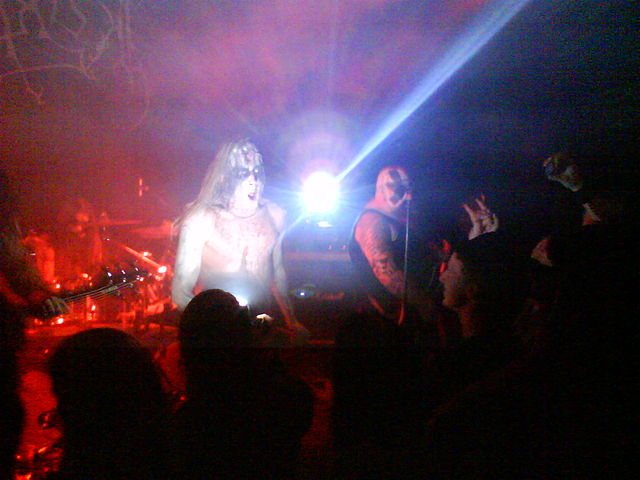
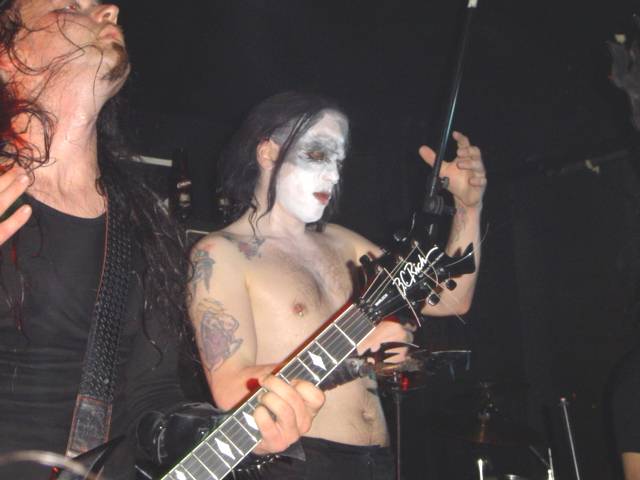
One article mentioned that that Loviatar is popular with black metal musicians. What, I wondered, is black metal? At the time, I didn’t know the difference between black metal, heavy metal, death metal, thrash metal, melodic death metal and Viking metal, or that most of these genres even existed. The next thing I knew, I was watching such bands on YouTube and digging into Nordic black metal and the world view of that culture, finding some unexpected connections with (not kidding) the Romantic Movement and Shelley’s views on Satan as the hero of Paradise Lost. My character is a poet, and faculty advisor to a poetry club. With the name of her small press, her backstory changed. Her situation of danger changed. The motives of her enemies changed. The only thing that didn’t change is my taste in music; I didn’t become a fan of black metal when she did.

I may have a title for the story that’s evolving: Dark Goddess.

Strangely, many of the plot elements fit better into the new version of the story than the old one. Clues that I’d planted, puzzling myself, fell into place. If I’d finished the first draft before sharing chapters, it would be a different story. Maybe I still would have liked it, but it would have been lighter, less complicated, and more predictable. And I don’t ever want to be predictable. Even to myself!


Butt in Chair?

As a yoga teacher and a retired professor of Health and Exercise Science, I tend to consider how everything I do affects my body. Following the adage to “write what you know,” I made my protagonist a fitness instructor and personal trainer. It’s easy for me to understand her work and her interests. And yet, I have to sit down to write those books, and sitting isn’t good for me. This holds true even though I get plenty of structured exercise.
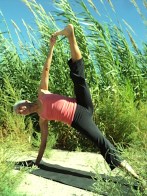
Writers are often told to apply butt to chair to be productive, but getting one’s butt out of the chair is just as important. According to a number of studies, sitting slows our thinking. “When a person sits for more than ten minutes, the brain downshifts, and it becomes more difficult to pay attention … The brain is least productive when sitting.”*

Movement brings blood flow and nutrients to the brain. Most of us have brainstorms while doing active things, from walking and running to housework, but we need to sit at our computers to record those inspirations. Once we’re seated, we may lose some of our brilliance if we don’t get up often enough, so here are some quick tips for keeping your brain and body energized.

  • Make it necessary to move. I used to have a motion sensor light in my office when I was a professor, and I had to get up every twenty minutes to keep it on. Now I keep my tea or water on a table a few steps away from my desk, and I have to stand and walk a little to get a sip. It doesn’t inhibit productivity; it keeps it going. (And keeps me from spilling beverages on my keyboard.)
  • Set a timer for every ninety minutes to two hours to remind yourself to be active for at least two minutes. Walk up and down the stairs or around the room; put on some music and dance; or do some pushups, squats and lunges. Another option is to bookmark some short yoga videos on your computer, and use those for a movement break if you are already experienced in yoga.** (The shortest ones on the Yoga Journal site are five minutes, and the longest are twenty. My favorite teacher on the site is Jason Crandell.)

Yoga may feel especially good, because sitting can affect our muscles as well as our cognitive clarity. People who sit a lot often feel discomfort in their backs, necks and shoulders. If your chair makes you sit with your thighs higher than your hips, this position flattens the lumbar curve, and your back muscles may object. To correct the problem, pad the back of your chair seat with a firm blanket or pillow so your sitting bones are slightly higher than your thigh bones.  Another source of sitting discomfort is typing and reading with the head and shoulders in a forward position. The neck and upper back feel strained from hours of supporting the ten-to-twelve pound weight of the head. (Imagine holding ten-pound dumbbell a few inches in front of your body for several hours. Now you know why your neck is tired.) The following series of movements is designed to help you find true neutral again, and not let your desk posture become unhealthy.

Step one: Stand up. Lift your toes, not the balls of your feet, and notice how your femurs (thigh bones) shift into the back of your hip sockets. Many people stand with their femurs pushed forward, so this may feel odd, but just breathe yourself taller, floating your ribs off your hips to decompress any feeling of excessive backbend in your spine, then gently firm the lower belly without crunching the front of the body or restricting your breath. Don’t suck in or tuck under. Stand like a young, healthy, active child whose posture is as yet undistorted by desks and cars. Put your toes down and sustain this posture.

Step two: Roll your shoulders around, making big circles four or five times forward, then backward. Notice where they feel at home, and then slightly draw your shoulder blades together until you feel wider and more spacious across the chest. Breathe into the space between your shoulder blades without losing the strength there or the heart opening.

Step three: Gently, poke your head out like a turtle coming out of its shell, and then pull it in like turtle going into its shell. Find neutral. It may be further back than you think. From neutral, lift your chin just enough to feel the back of the neck shorten. Then, drop your chin enough to feel the back of the neck stretch. Again, let your head find neutral. Your ears should be aligned over shoulders, hips, and ankles, with your chin parallel to the floor. Holding neutral alignment, tip your right ear to right shoulder, pause, and then tuck your chin toward your collarbone. Go back to the neutral side-tilt and use your hand (not the muscles you just stretched) to put your head on straight. Repeat on the left. This is safer for your neck than rolling. Ahh. Just did it. My posture feels rejuvenated.

After doing these activities, sit again and see if you can maintain neutral posture, or at least return to it frequently.

Have fun, healthy desk-dwellers. Let me know if you have questions. And share your ways of staying alert and energized despite the butt-in-chair aspect of being a writer.

*Eckmann, T. The Smart Way to Move, IDEA Fitness Journal, Sept. 2017, pp. 44-51.

** Beginners in yoga should start with a qualified, attentive teacher, not a video. Most “beginner” videos aren’t suited to a real beginner, and having someone present to give you suggestions and feedback is important when you’re getting started.

*****

As well as being the author of the Mae Martin Psychic Mysteries, Amber Foxx is certified through the American Council on Exercise as a group fitness instructor, health coach, personal trainer, and Mind-Body Specialist.

Mae holds two certifications, group fitness and personal training, and tries to keep her psychic work separate from her fitness work—not always successfully. You can how she gets started in both lines of work and how those careers collide in The Calling, book one in the series.

Thank You for Not Enjoying My Book

Since my turn on this blog comes around on the fourth Thursday of the month, every year I get to explore a new facet of gratitude on Thanksgiving. This year, I asked myself, what’s the most unusual thing I’m grateful for? How about thanking someone who didn’t like one of my books?

As a member of Sisters in Crime, I’ve stayed in the Guppies subgroup, short for “great Unpublished,” long after moving out of unpublished territory. Like many authors, I find the group’s benefits too valuable to leave behind. One benefit is the opportunity to do a manuscript swap with another author and give each other feedback. In addition to getting input from my regular critique partners, I always seek out at least one new critique partner or beta reader per book, someone who is not familiar with my series.

This time, I did a swap with an author who turned out not to like my work, and I didn’t like hers. It was great. Since neither of us was wrapped up in plot and character, we saw all the technical problems each other needed to address. She noticed some things the other six people who gave me feedback didn’t. They were following the story, turning the page, emotionally involved, and wondering what would happen next; she was disengaged. Though I continually get better at weeding out my crutch words and my over-used habitual phrases, certain ones are so natural to me they become invisible. But they were visible to her, and likewise her habits were visible to me. She also noticed where I needed clearer time transitions at the beginnings of chapters, where the background was unclear, and where a long chapter should break in two. I thank her for not enjoying my book. She helped make it better.

This was the second time in writing my six-book series that I’ve had this experience. Years ago, I swapped an early draft of a book that later evolved into The Calling with a woman who didn’t even finish it. Her assessment was harsh, not as tactful as the Guppy guidelines suggest we should be. My prior swap partner on that manuscript liked my characters so much, the plot and pacing weaknesses didn’t register with her. This ruthless second critique motivated me to study plot and structure and then revise from the ground up. After that, I reworked the book chapter by chapter with a critique group. The final product has been well-reviewed, and bears little resemblance to the version that my swap partner so disliked. I am grateful to her for tearing it apart.

Of course, I’m equally grateful to critique partners who did like my books. It’s useful to get insights and suggestions from someone who enjoys the work in progress, noticing where it could improve but also telling me what they find effective. When my critique partner who didn’t like the book still said that the end of Death Omen made her cry, I was sure I’d done something right.

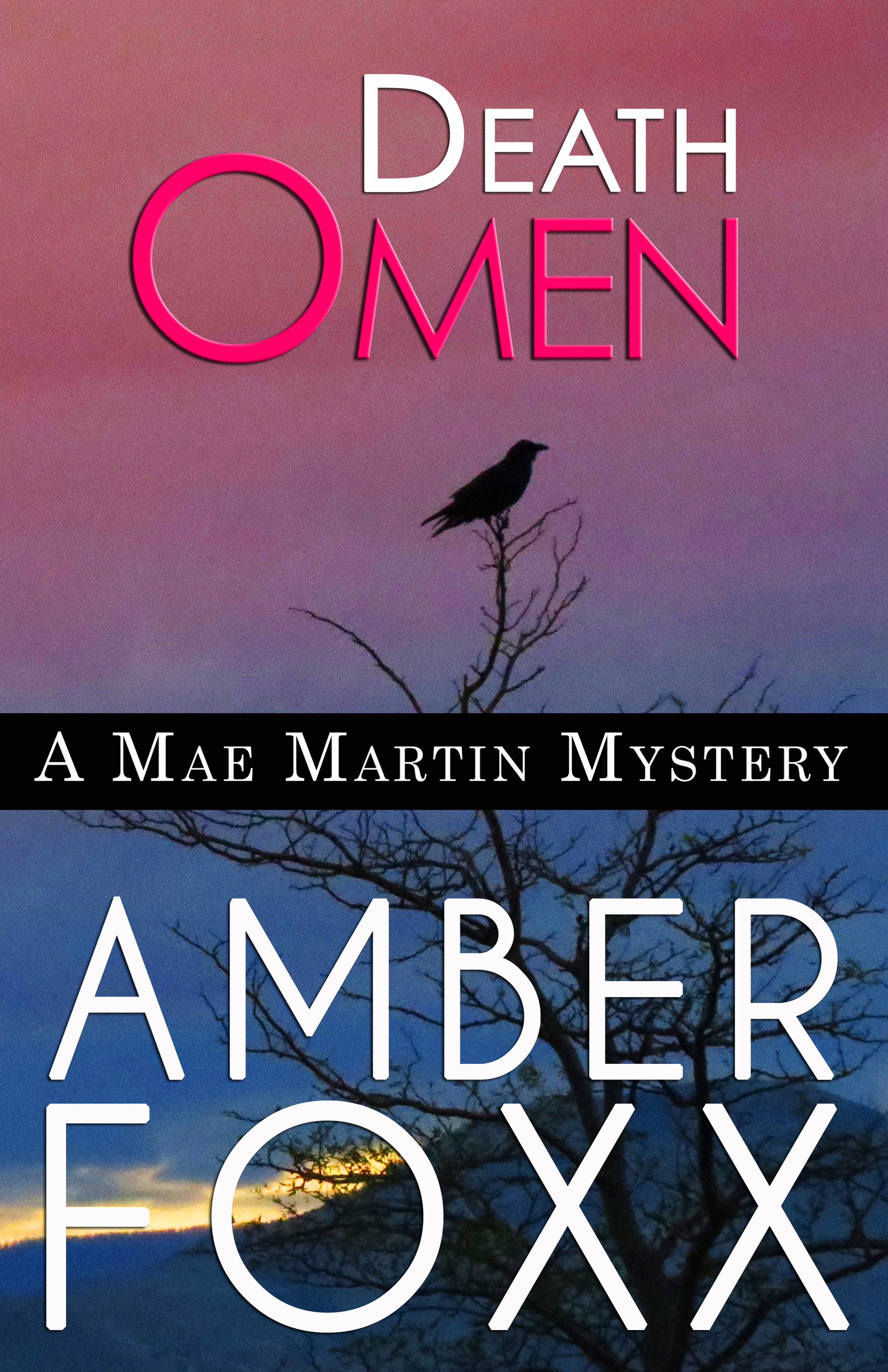
Death Omen

The sixth Mae Martin Psychic Mystery

 Trouble at a psychic healing seminar proves knowing real from fraud can mean the difference between life and death.

At an energy healing workshop in Santa Fe, Mae Martin encounters Sierra, a woman who claims she can see past lives—and warns Mae’s boyfriend he could die if he doesn’t face his karma and join her self-healing circle. Concerned for the man she loves, Mae digs into the mystery behind Sierra’s strange beliefs. Will she uncover proof of a miracle worker, or of a trickster who destroys her followers’ lives?

The Mae Martin Series

No murder, just mystery. Every life hides a secret, and love is the deepest mystery of all.

Buy links and preview

Book one in the Mae Martin Series, The Calling, is currently free on all major e-book retail sites.

Favorite First Lines

Favorite First Lines

 “I was trying to remember if I’d ever been blindfolded before.

I didn’t think I had been, but the cloth on my eyes felt vaguely familiar, almost nostalgic. I couldn’t imagine why. The only images I could connect with blindfolds were kidnappings.”                      J. Michael Orenduff, The Pot Thief Who Studied Einstein

“Nearly thirteen thousand summers have passed since that splendid morning when the first human footprints appeared between these towering canyon walls. But in all the years since that singular event, not one good thing has happened here. This being the case, hardly anyone visits this remote and dreadful place—though the rare exception is worthy of mention.  Consider Jacob Gourd Rattle.”                     James D. Doss, The Witch’s Tongue

An effective opening says something that makes the reader sit up and pay attention. It’s not a warm-up, but the beginning of something. Something that sets the tone of the book and makes the reader curious or empathic or otherwise immediately engaged. Usually—though not always—it leads into the event that triggers the main plot.

I like the two I quoted above because both give the reader a strong sense of the voice and mood of the book. In the Orenduff example, the narrator reveals his personality, his sense of humor, and his ability to stay cool in bizarre situations. And of course, it raises the question: Why is he blindfolded? The reader is caught up right away, and I think it would hook newcomers to the series who are not yet acquainted with pot thief Hubie Schuze. They don’t need to know his name yet, or what he looks like, or that he’s in Albuquerque. That can come later, once they are pulled into the events.

The example from Doss sets a different tone. His omniscient narrator sees a big-picture view, hinting at something supernatural or evil, and yet doing so with a touch of humor. You can almost hear some Southwestern old-timer spinning a spooky tall tale. The lines create a sense of mystery about the canyon itself and the events—none of them good—that have happened there. And of course, the reader has to wonder who is Jacob Gourd Rattle is and what he’s doing in this cursed or haunted place.

Peter Heller’s novel, The Painter, begins with an equally powerful but entirely different type of hook.

“I never imagined I would shoot a man. Or be a father. Or live so far from the sea. As a child, you imagine your life sometimes, how it will be. I never thought I would be a painter. That I might make a world and walk into it and forget myself. That art would be something I would not have any way of not doing.”

This is backstory and introspection, a risky way to start a book, and one that seldom works. So why is it effective here? For me, it’s the juxtaposition of the startling first line with the narrator’s other unexpected life turns. Art and fatherhood suggest peace, nurturing, and creativity; shooting someone clashes with that image. Then, his compulsion to paint and his ability to vanish into his work suggest he is a passionate man who has things he’d like to forget. The interiority of this passage lets the reader know that this book will be as much about the protagonist’s inner arc as about the dark suspense that drives the plot.

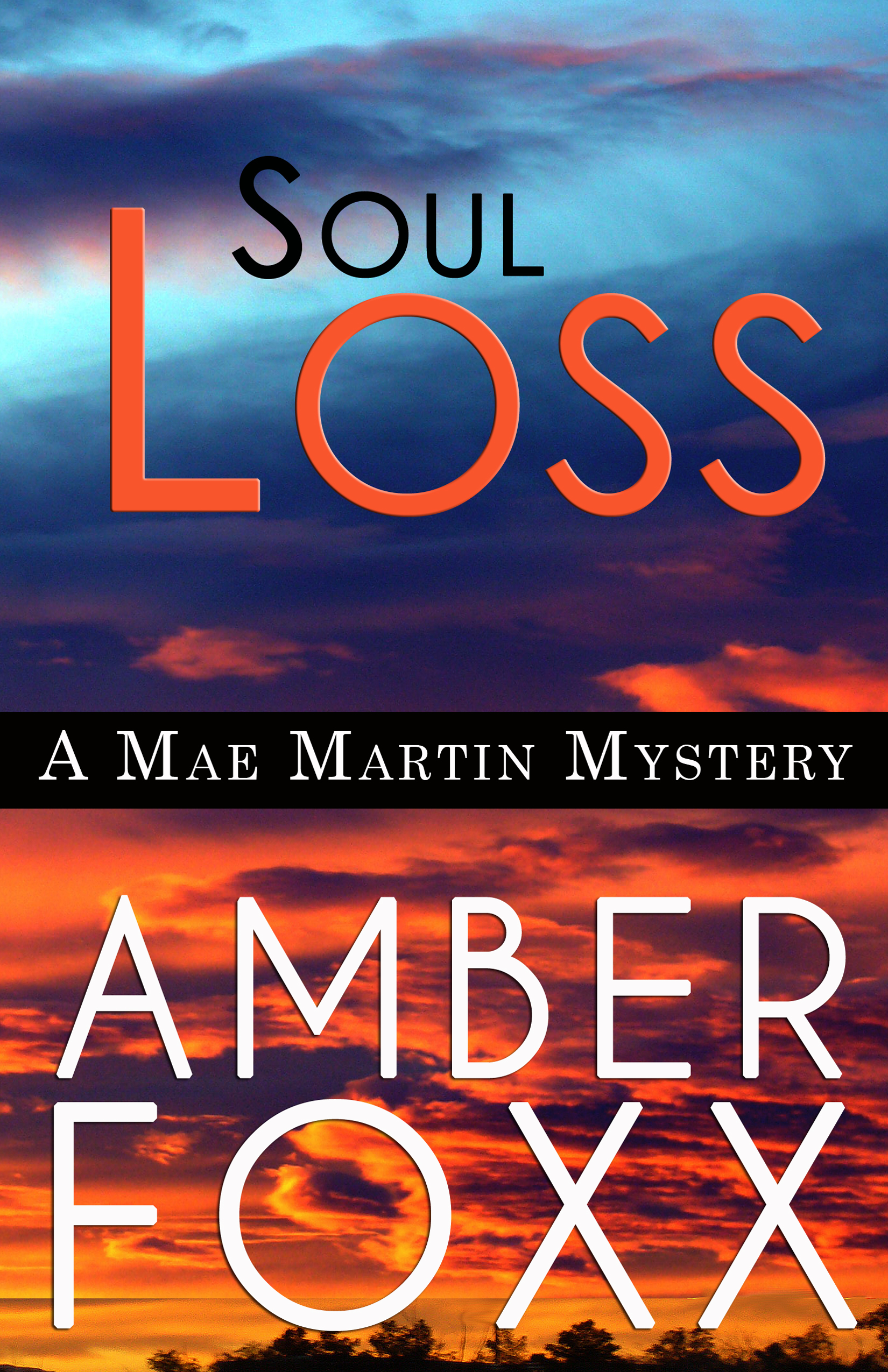
I began Soul Loss, the fourth Mae Martin mystery, this way:

“The full moon was the only glitch in the plan. Too much visibility against the desert and the lake. He’d have to wait ’til he was sure the other campers were sleeping.

“Jamie stared down the slope from his tent to the shore. Depression grabbed him like a weighted net. He’d felt lighter after making the decision, but now the delay dragged him back down.”

Newcomers to the series may wonder who he is and why he’s on the verge of some desperate act. Readers who have been following the series know him and his history, and I meant to alarm them, to make them want to reach into the story and stop him.

Though I’m satisfied with my own first lines, I’m inspired to aim for even stronger ones in the future.  I have an opening line I love in book seven (as yet untitled and unfinished). I’ll have to move it from the beginning of chapter three to the beginning of the book, rearranging the chapters, but it might be worth the work.

What are your favorite openings and why?