Pamela Beason lives in the Pacific Northwest, where she writes mystery and romance novels and the occasional screenplay. She works as a freelance writer/editor and a private investigator. When she's not on the job, she explores the natural world on foot or on cross-country skis, in her kayak, and underwater as a scuba diver.
As a child, I recited the words of the Lord’s Prayer as I heard them. “Our Father who art in heaven, how Lord be thy name?” It made sense that you wouldn’t say an ordinary “Hi” to the Lord, and the word “hallowed” wasn’t yet in my vocabulary. Turns out, there’s a linguistic term for my mistake. I had committed an “eggcorn.”
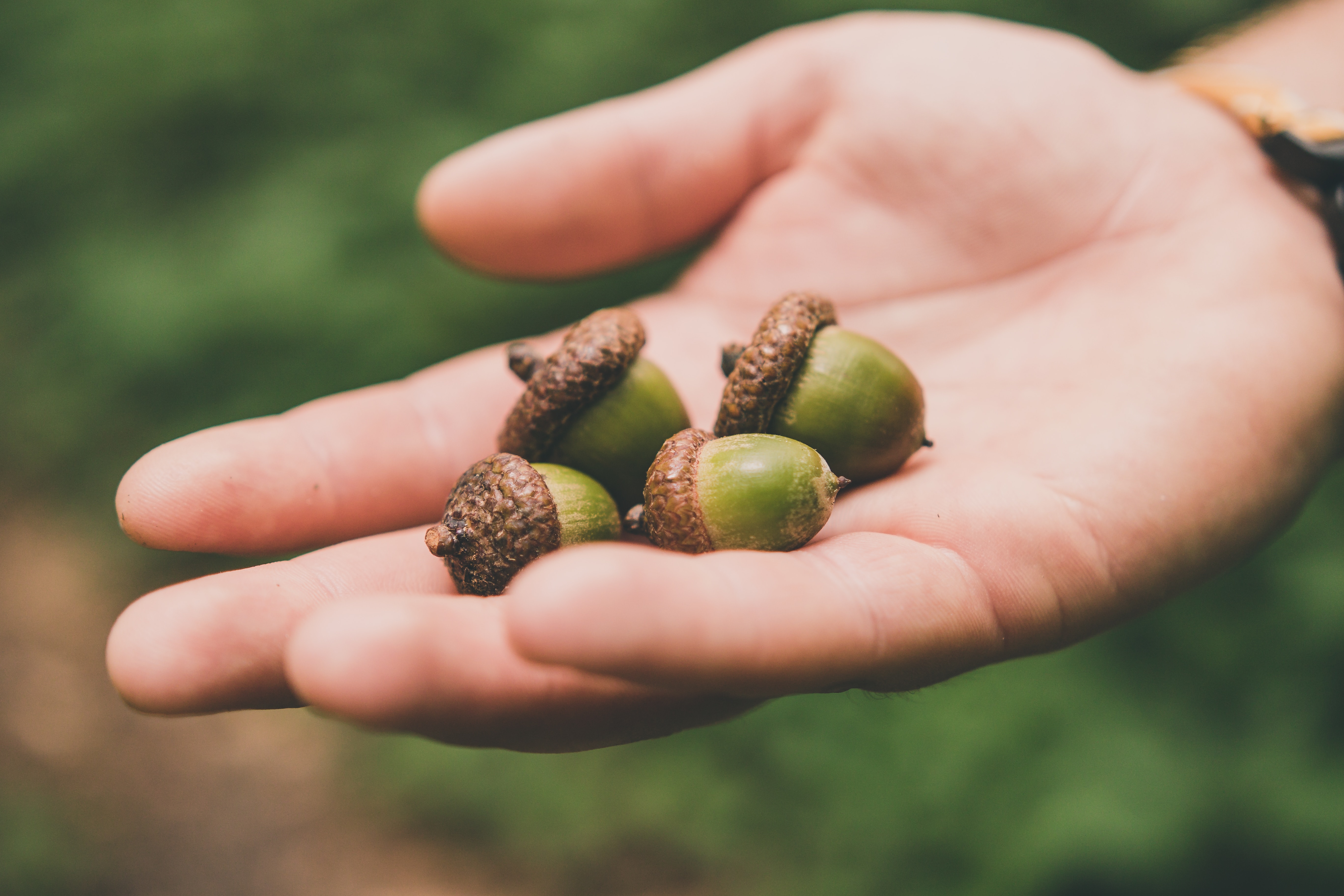
A woman who misheard the word “acorn” inspired the coinage. “From little eggcorns mighty oaks do grow.” My favorite eggcorn is a twist on the idiom “raked over the coals.” Recounting the story of a bad day at the office, a friend informed me that she’d been “raped over the coals.” I figured it was probably a mistake, but she worked for litigators. It wasn’t impossible.
The difference between an eggcorn and a malapropism is plausibility. Mrs. Malaprop, a fictional character in a 1775 play by Richard Sheridan, was forever inserting a nonsensical, out-of-context word in place of the similar sounding correct word. Malapropisms are constantly creeping into political discourse. Former Chicago Mayor Daley touted “Alcoholics Unanimous” and Australia’s Tony Abbott reminds us that “No one is the suppository of all wisdom.”
Misunderstood song lyrics are called mondegreens, a word derived from an old Scottish ballad. “They hae slain the Earl O’Moray and laid him on the green.” The writer Sylvia Wright heard it as “They hae slain the Earl O’ Moray and Lady Mondegreen.” Credence Clearwater gave us a memorable mondegreen in their hit “Bad Moon Rising.” Was that last line “There’s a bad moon on the rise” or “There’s a bathroom on the right”?
Jeanne Matthews is the author of the Dinah Pelerin mysteries. Her most recent novel is Devil by the Tail, an historical mystery set in Chicago just after the Civil War.
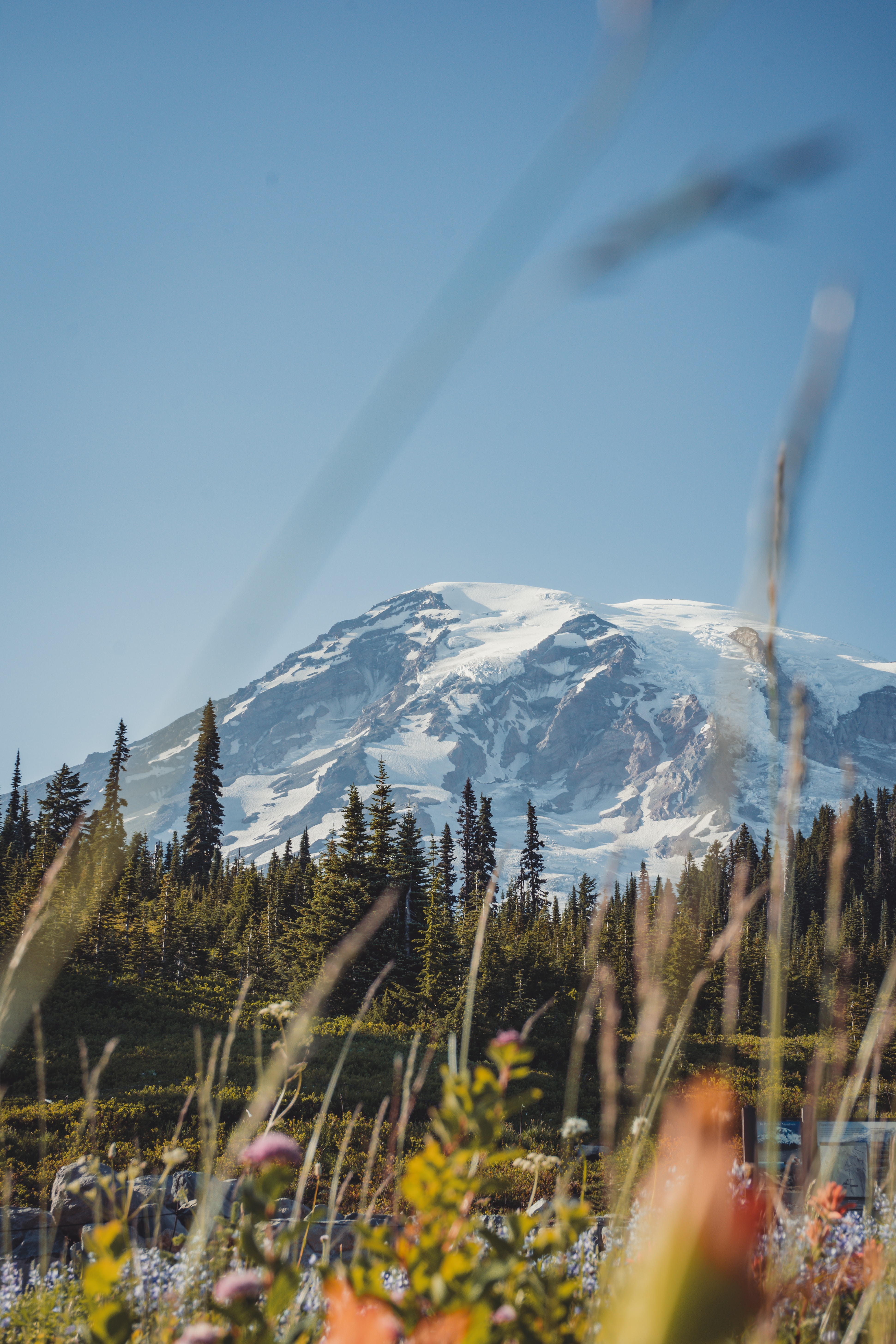
During the recent Perseid meteor shower, visitors to the Sunrise area of Mount Rainier National Park invaded delicate alpine flower meadows and trapped fellow visitors for hours by parking in unauthorized locations. Apparently, for most it was all about the event and the competition for space, not about the magical park they were in. The destruction of wildflowers and other alpine plants could take decades to heal. A trampled flower cannot produce pollen or reseed itself.
What wildflowers? We only wanted to see the meteors, it was dark, you know.
Trail running has become so popular that in many scenic natural areas, runners now skip the permit process, which is designed to protect the unique environment, and simply race as fast as possible through amazing regions such as The Enchantments in Washington State.
Ran the whole thing in six hours. How long did it take you?
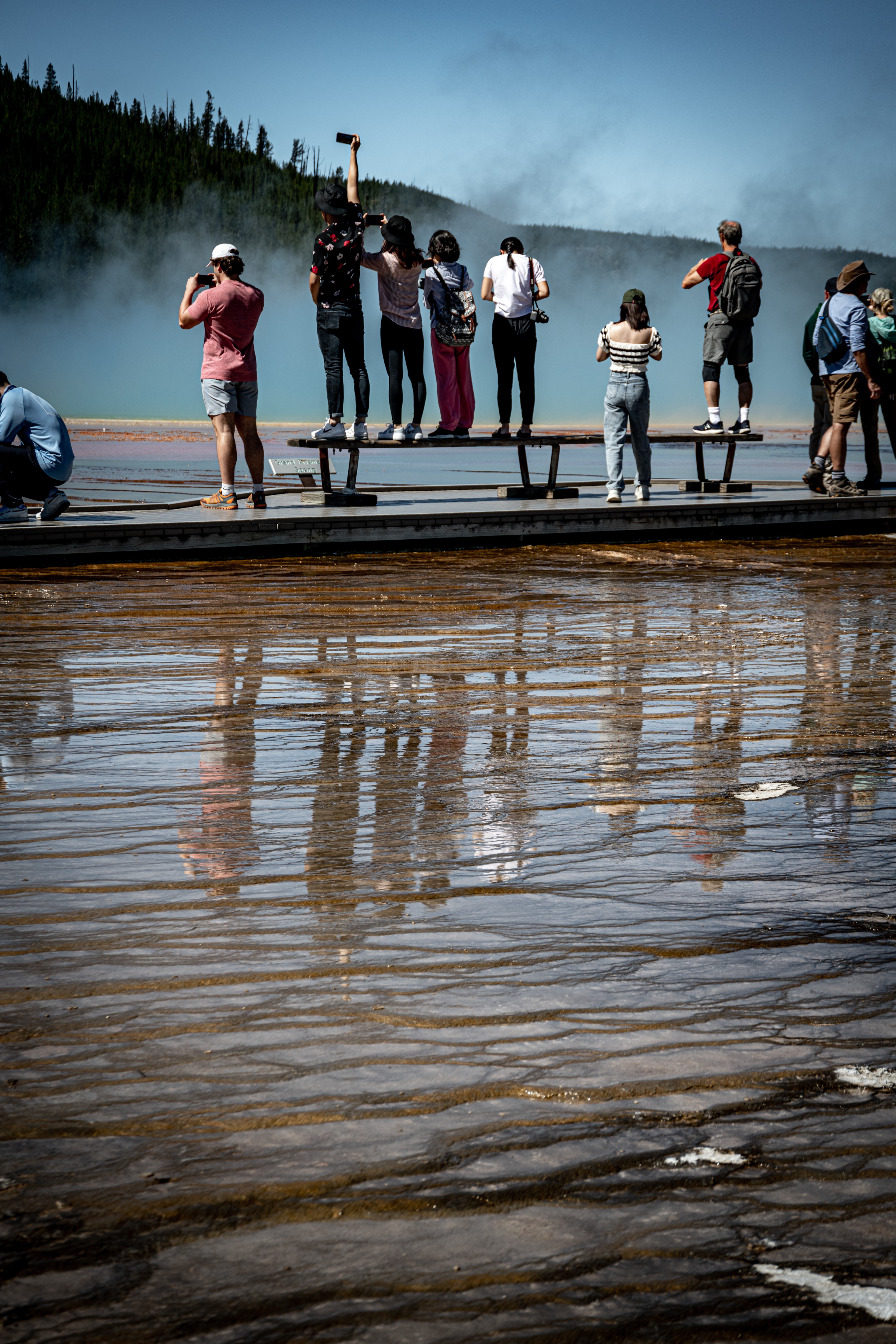
In Yellowstone National Park, so many people are taking selfies with wildlife that rangers had to issue a special warning to alert these crazies to the dangers of approaching wild animals. Visitors have been gored by bison, and elk calves have had to be euthanized after visitors separated babies from the herd.
I was only trying to pet that buffalo; why did it do that?
I recently had lunch with a tour guide from Rome, who told me that masses of tourists now line up to take selfies in iconic locations. She said that they are not interested in history or culture or experiencing any aspect of the Italian way of life. They want only the photos of themselves in front of as many landmarks as they can visit. It’s gotten so bad that the city of Portofino, Italy, has now instituted a fine for tourists who occupy spots for too long while taking selfies.
Me, in front of the Coliseum. And here I’m sitting on the Trevi Fountain. I tried to get in it, but there was this really mean cop. This is me in front of some famous cathedral; I can’t remember which one.
When I was in Iceland a few years ago, my group was oohing and aahing over all the incredible waterfalls. (The country should really be named Fossland, because foss means waterfall and the dramatic cascades are everywhere.) We’d walk and explore and hike. But we were frequently elbowed out of the way by groups wanting to take selfies of themselves against those backdrops or fly drones to capture their own videos to upload. Our tour guide pointed out to one Asian visitor the sign that read “No Drones,” about 10 yards away. The guy said, “Yes, but I’m not over there. I’m here. And there is no sign here.” These groups stayed only minutes; just long enough for each individual to take that selfie.
My hair looks good, even though the wind blows so hard in Iceland.
I’ve now heard several children say that they want to grow up to be “an influencer.” Really? Have they lost the ability to care about anything but themselves and how many followers they can attract? These individuals are all about posting online and checking off a place or experience from their “cool” list. Without the selfie, would they even remember being there? And what the heck do they do with all these pictures of themselves? Are they their own heroes? Do kids have posters of themselves in their rooms?
How can I get more people to follow me?
Personally, I find all of this very disturbing. These people may gain followers online but they seem to have lost so much in real life: a sense of wonder and respect about the natural world and the creatures we share it with; a curiosity about history and how the world works; a reverence for life itself.
Who needs nature? It’s much faster to look at all that stuff on Instagram or TikTok.
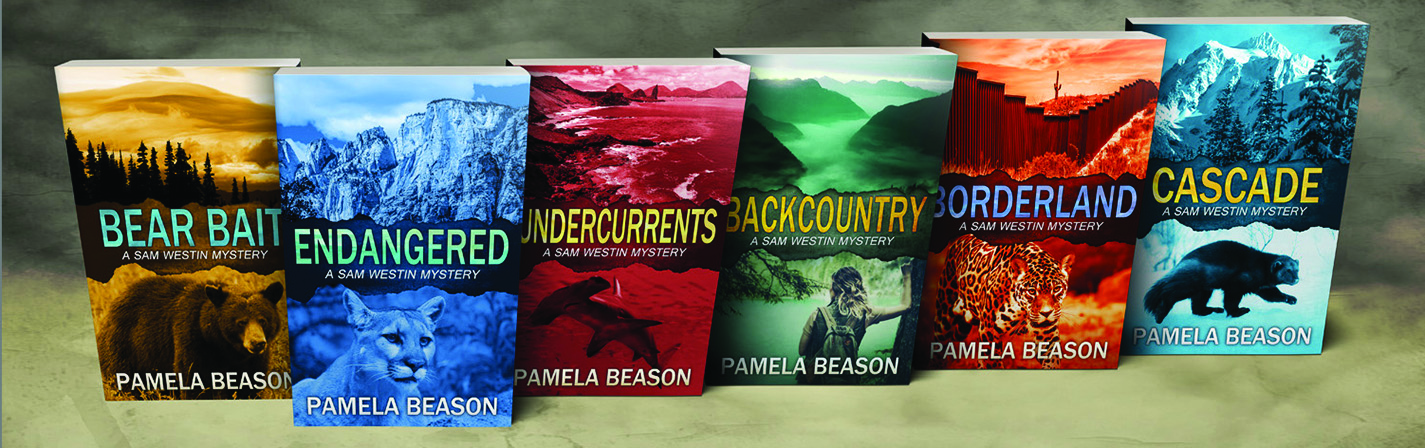
I hope that I can always infuse my writing with my reverence for the natural world by fully describing adventures (awesome or terrifying) in wilderness, observing and communing with wildlife (amazing or frightening) whenever I can, and appreciating each place (remarkable or horrifying) I encounter. I want my life to take place in real time and be as sensory as possible. Not just in an account on a computer or cell phone screen. And I certainly hope the readers of my Sam Westin series feel the same. I’m currently working on the 7th book in the series.
Lately I’ve been hearing and reading a lot about virtual environments and experiences. One friend pointed out that flying to Africa and going on a safari there had a tremendous negative impact on the environment, and wonderful safari videos were available online, so why not just watch those instead? I constantly see ads on streaming video showing all the “virtual worlds” people can create for themselves on the internet, and showcasing all the benefits of doctors being able to “see” inside a virtual replica of a human body to learn and diagnose. And then, of course, there are all those AI applications, which can be viewed as virtual writers, editor, artists, programmers, and so forth. (Don’t get me started on “customer support” AI helpers.)
We seem to be evolving into a world that is created by software or recorded from the past rather than a world that is immediate and natural. Is this incredible or horrific? Most of the time, I just can’t make up my mind.
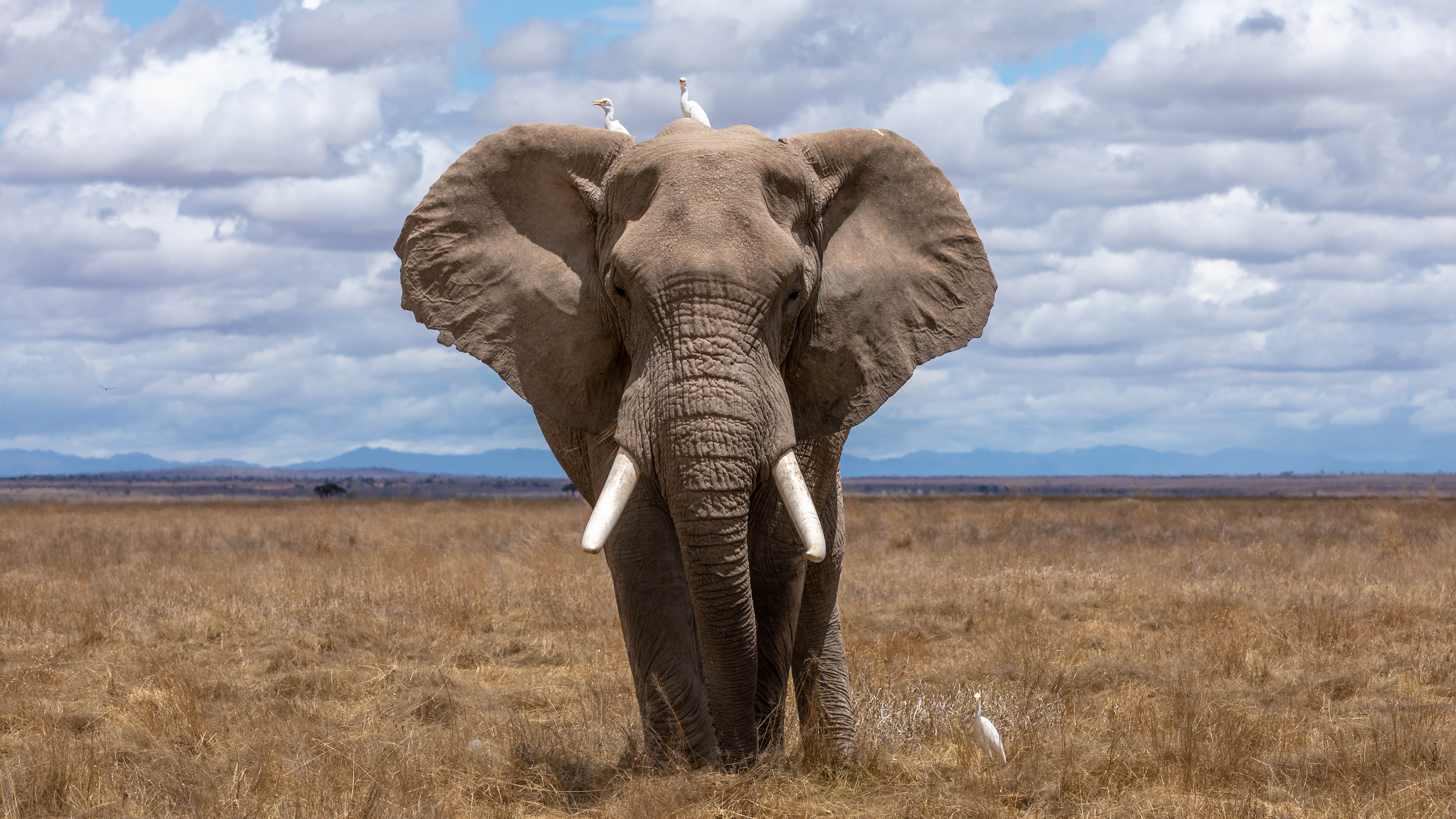
You see, I’m a Nature lover and very much a fan of celebrating the present and being there to actually see, touch, hear, and feel all things real. I don’t even listen to music or ebooks while out walking because I want to hear the birds and the rustle of leaves in the trees. My Sam Westin Wilderness Series and my Neema the Signing Gorilla series are very much reality based. I find the idea that virtual reality or recordings from the past could replace real-time experiences very disconcerting. If nobody ever encounters an elephant or a ptarmigan or a dolphin in real life, will anyone care about saving them? For me, watching a video never inspires the wonder and delight that experiencing nature does.
On the other hand, we all know that our planet is likely to become a very different place in the future. Today, there are already too many humans crowding the wildlife out of their environments, and more humans are born every minute. People will likely need to make severe compromises to keep our planet habitable. This probably means that in the future, fewer people will have the amazing experiences I’ve had scuba diving, hiking, snowshoeing, kayaking, traveling, etc., and they will probably rarely encounter any sort of wildlife except for insects. But at least they will be able to have virtual encounters of all sorts.
In my younger years, I and many of my peers wished we had the holodeck pictured in the Star Trek series. In the holodeck, a person could create any sort of environment she or he wanted, have any sort of experience that was desired. But in the television show, the holodeck provided a great escape because the starship crew could not step explore space and time without the aid of software. Is this our future? Should we celebrate it? The changes seem inevitable. Will the next generations feel deprived or enriched? I do love movies and nature documentaries, and I suppose that reading might be considered a “virtual experience,” and I definitely support all of those.
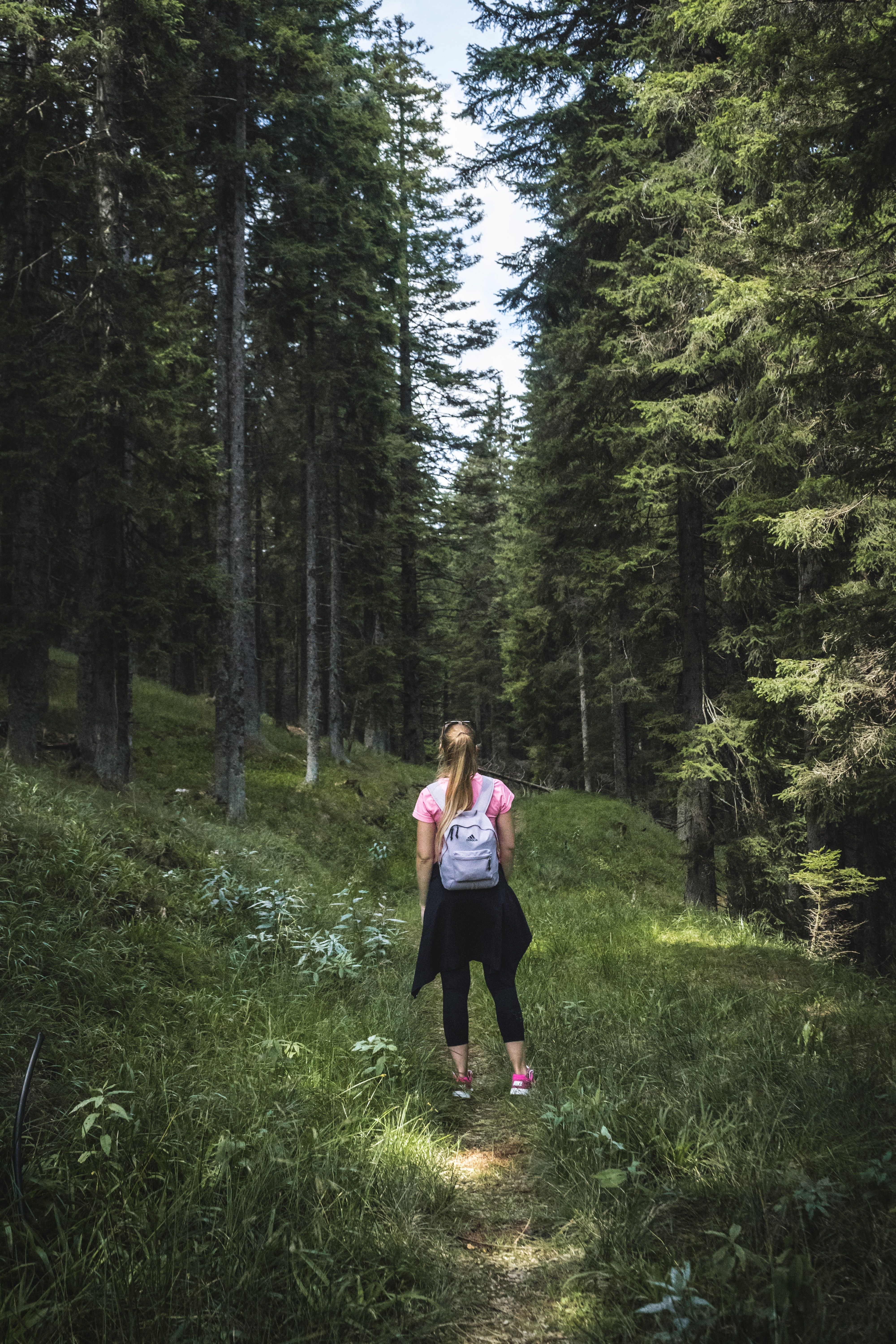
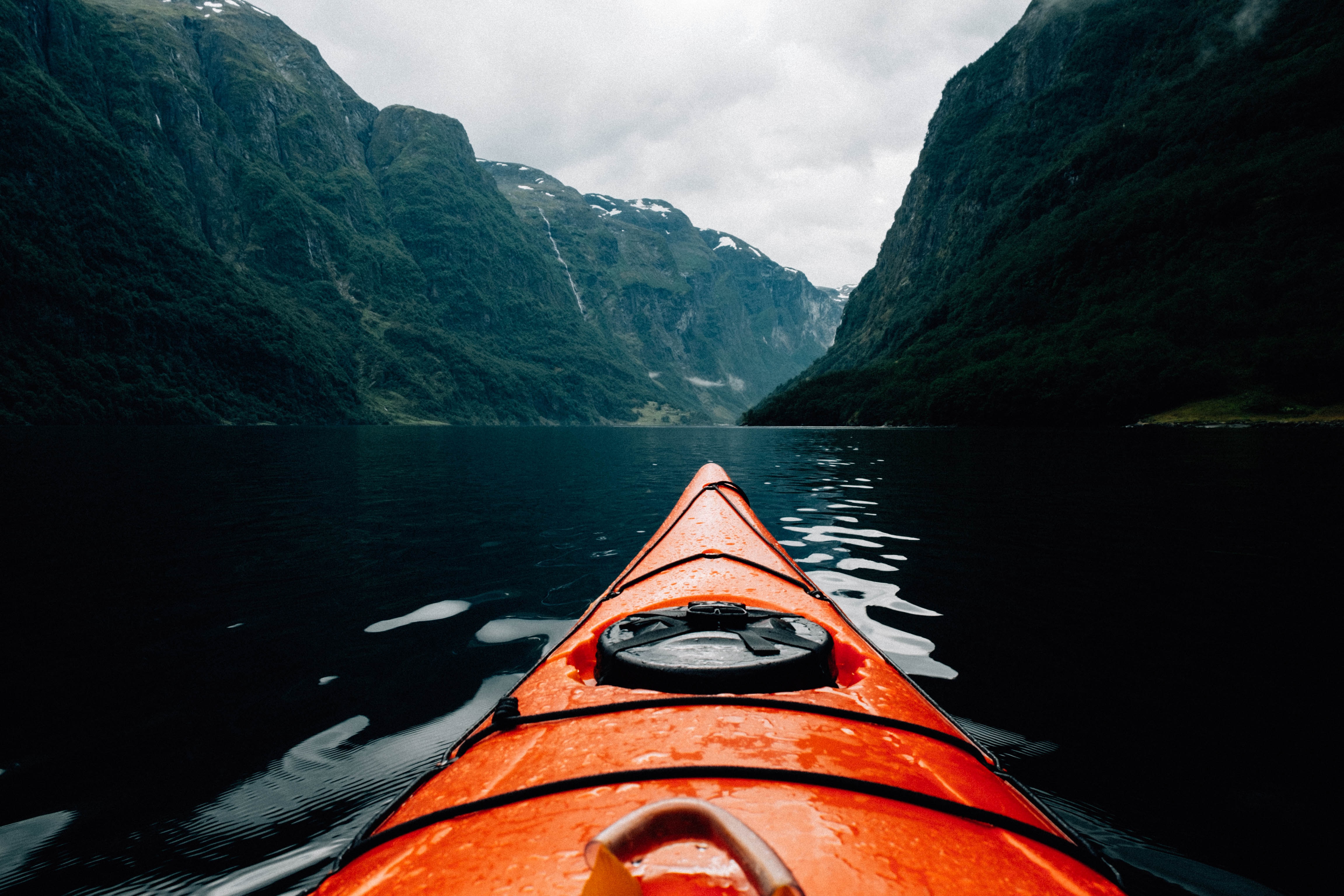
Personally, I’m glad I won’t live forever. Tomorrow, I’m going hiking in the mountains, and I hope to see mountain goats and ptarmigans as well as beautiful scenery. I will kayak on the weekend and watch for harbor porpoises and many types of water birds. And in December, I will fly to Tanzania to encounter a wide variety of exotic animal species in person, and feel only slightly guilty for increasing my carbon footprint. I chose not to have children, and I do many things to help save the planet now, but I can never give up real experiences in my lifetime.
There is nothing a mystery author likes better than a question that could have a hundred possible answers, especially when it comes in the form of a dead body (gruesome!) or a missing person (my personal favorite).
So how does a writer come up with a scenario that fits this bill? If you are writing a cozy or a closed-door sort of mystery, you create a situation where a crowd of people have motives and opportunities to bump off the victim. But what if, like me, you prefer to set your stories in rural or wilderness environments? At first, you might think that there aren’t dozens of perpetrators to investigate “out there.”
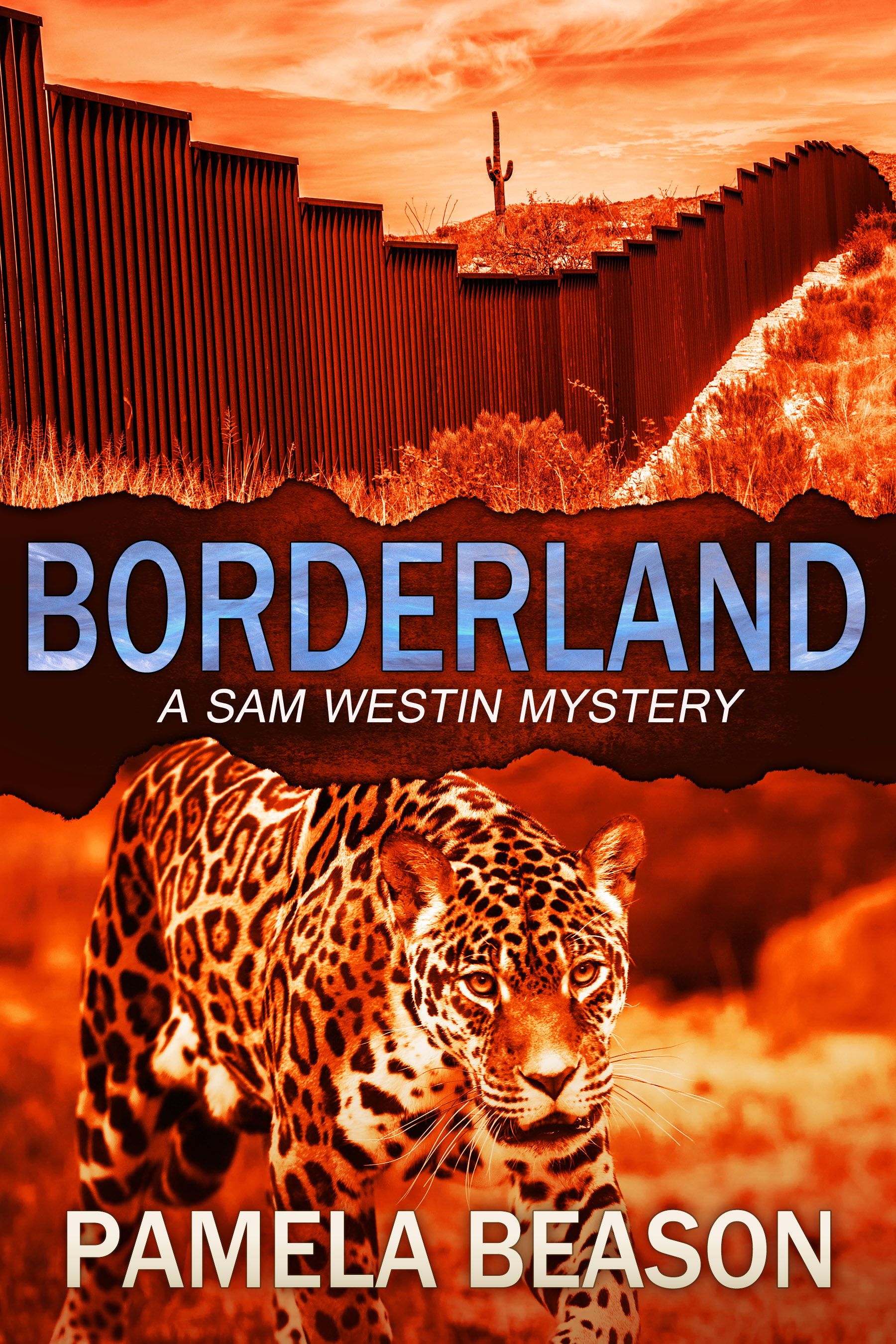
I am often slapped in the face by real-life problems like these. The first came when I was attending a Great Old Broads educational campout near the border wall in Arizona. I’m naturally focused on wildlife and wilderness issues, but as I learned more about the human situations on both sides of the border, I had no choice but to set a mystery of a Hispanic woman’s disappearance in that area.
Because, heavens, anything could have happened to my character, Jade Silva. Americans of Hispanic descent are often stopped by Border Patrol agents for questioning. A few who could not readily supply documentation have even been mistakenly deported. Women have been kidnapped for human trafficking. There is drug running and killing of competitors and witnesses by cartels. Desperate migrants traveling in secret often die in the desert. Such an environment cries out for a missing-person mystery. The one I wrote is Borderland.
I am an avid hiker, so I am often exploring public lands—national forests, national parks, BLM areas, state parks, etc. In Washington State, we are blessed with millions of acres of wilderness. When I start off at a trailhead, I am frequently greeted by a poster featuring a missing hiker, sometimes a recent one, sometimes one from years past. More than 1600 people are currently listed as missing on US public lands. And that’s only the ones whom someone bothered to report; there are probably far more. And anything could have happened to most of these hikers. In some areas, it’s easy to get lost and succumb to cold or heat or thirst. It might be easy to fall off a cliff or into an abandoned mine shaft. There are raging rivers to cross, and ice-cold mountain lakes that may look inviting but can quickly incapacitate the unwary. Rockslides. Avalanches. Bears. Cougars. Elk. Moose. Wolves. And of course, the most dangerous animal of all, humans, especially those who are careless with guns.
So, I’m setting my new suspense novel in the North Cascades area, which has all those possibilities for a hiker to get into deadly trouble. To add to all that, in the northern states like Washington, many public lands border Canada. Like our southern border, a hiker here might cross the border and vanish into another country. So, it is with all these possibilities in mind that I’m crafting my new novel, so far untitled and only half finished. (Hey, it’s summer, I’m hiking!)
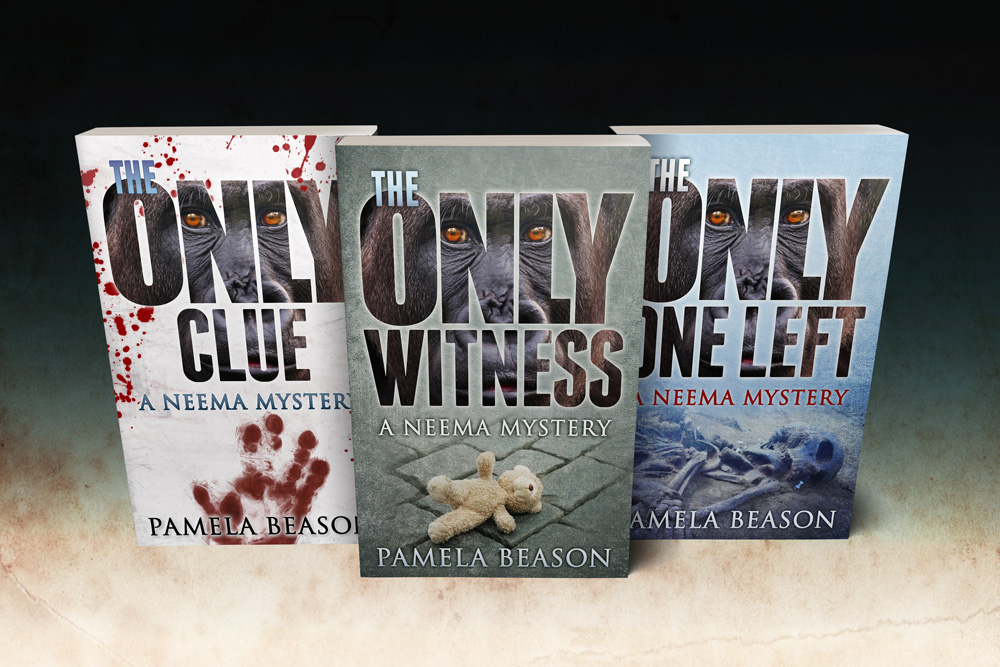
And did I mention that my hiker Sam Westin’s adventure is only half of the story? The other half belongs to Neema, the signing gorilla star of my other series. How will I straighten out this tangle of plots and scenarios? Talk about a question with a hundred possible answers!
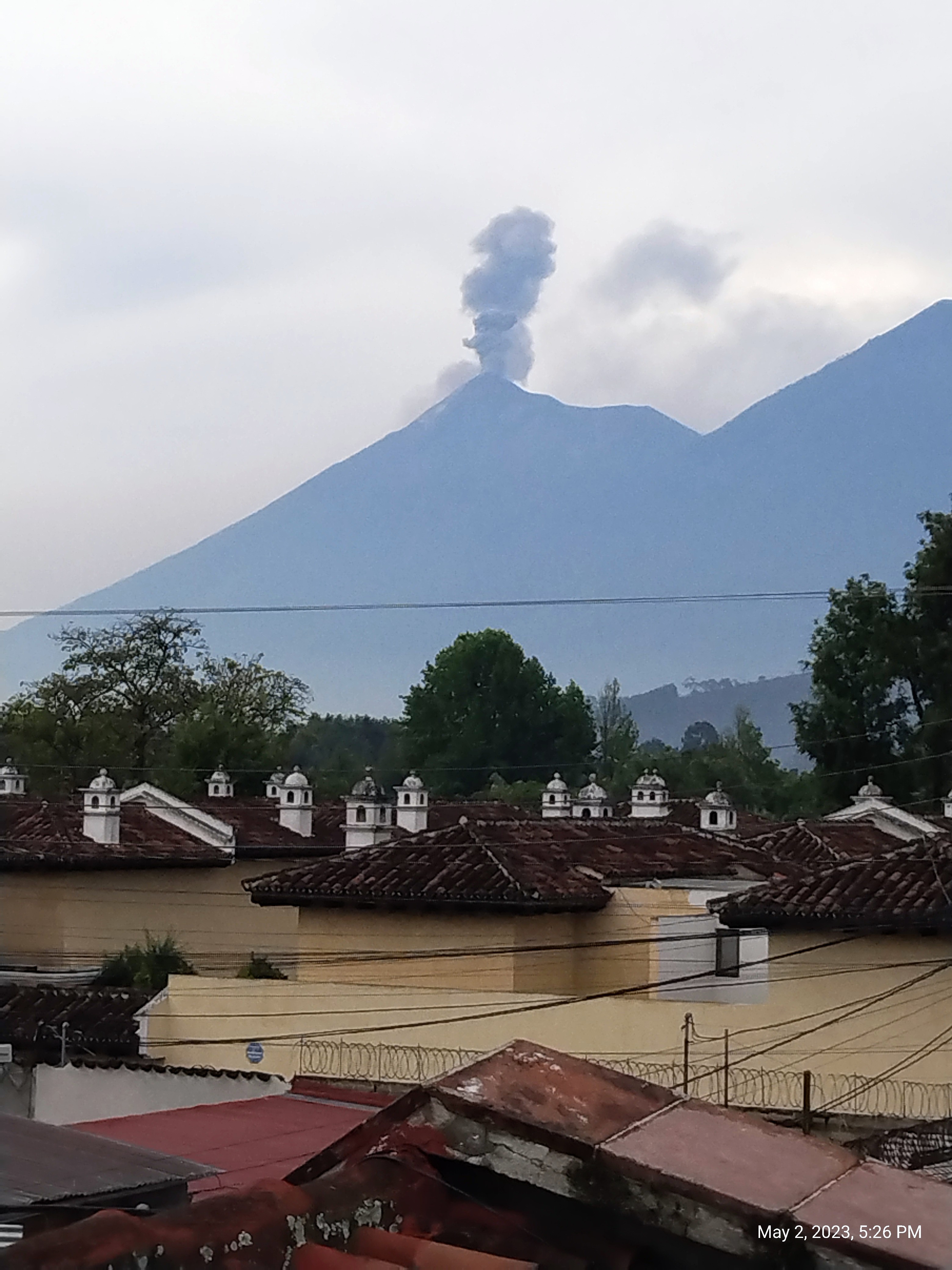
I was on a tour of steamy Central America recently, traveling to ancient Mayan archaeology sites and present-day Mayan towns in El Salvador, Honduras, Guatemala, and Belize. Did you know that Guatemala has 37 volcanoes? It’s okay, I didn’t either. Over the centuries, tens of thousands of Guatemalans have been killed and whole towns leveled by earthquakes. Three of those volcanoes are still active on a daily basis. Below is a photo I took of a steam and ash eruption from Fuego, the “fire volcano” near Antigua.
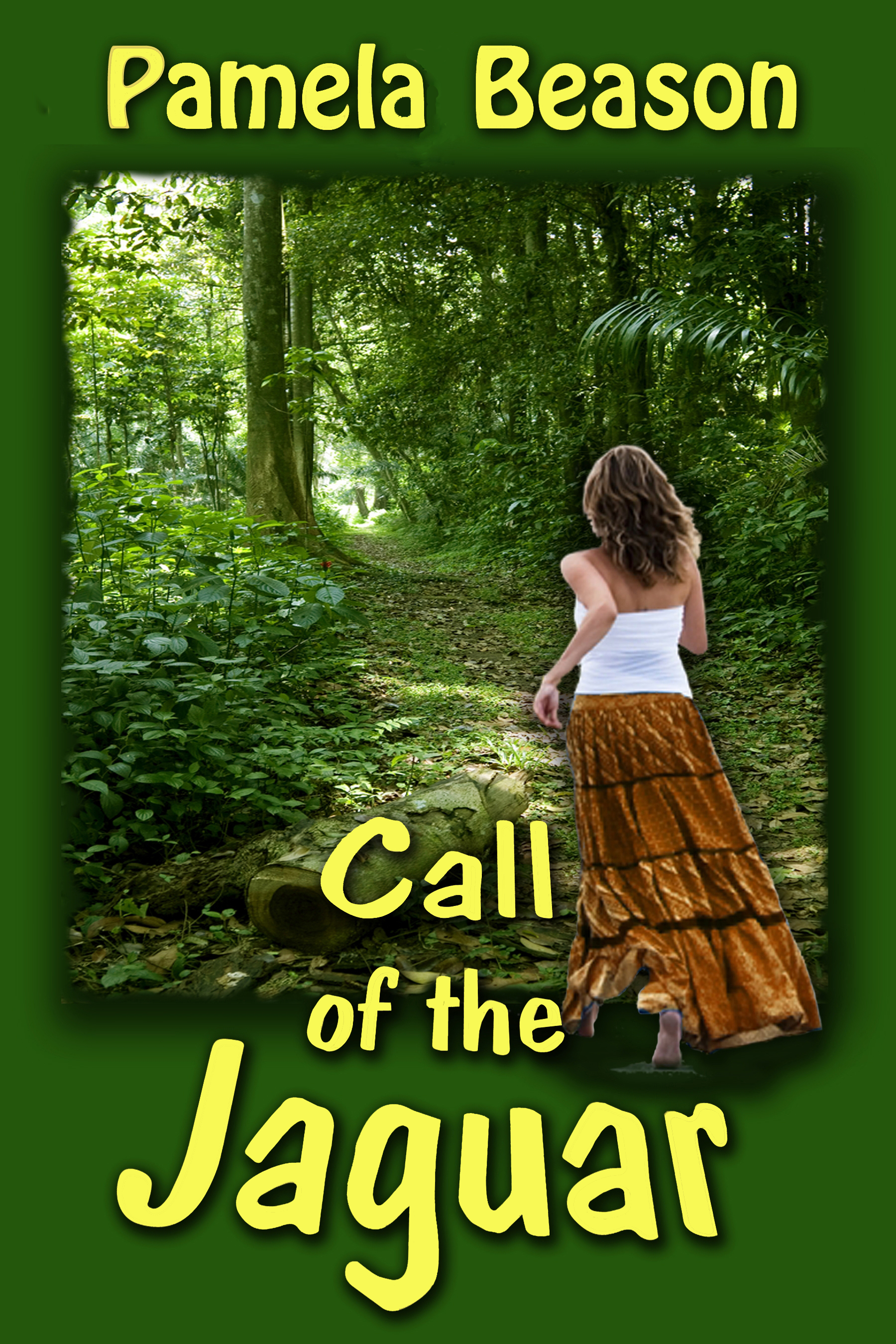
But I digress, as I inevitably do. Decades ago, when I was in screenwriting school, I wrote a romantic adventure screenplay that I titled Call of the Jaguar. It takes place largely in Guatemala. The story is about a woman, Rachel McCarthy, who, on her 40th birthday, finally gives in to the mounting evidence that her materialistic husband, Brad, has been cheating on her. For years. After confronting her husband and his lover with a birthday cake and a knife and making the front page of the local news, Rachel goes off the deep end and decides to search for the man she should have married, the lover from the Peace Corps days of her youth. Patrick is now an archaeologist working on a secret location in rural Guatemala, which is in the midst of a civil war.
I’m not telling the rest of the story here, but of course, as I am at heart a suspense writer, things go terribly wrong on Rachel’s quest to find Patrick. Although I had spent time in Yucatan, Mexico, among the Mayan population, I had never visited Guatemala until this recent trip, and I wrote this screenplay long ago, pre-Wikipedia and other easily accessible internet sites. And like all authors, I live in fear that I totally invented the history of the civil war in Guatemala. After all, we only know what we read or hear, and the version we get is often totally different from the experience of the actual people involved. And we writers tend to be an insecure lot. Personally, I always tense up when someone opens a conversation with “I read your book.” Yikes, what’s coming next? (Please tell me I’m not the only apprehensive author.)
So it was with some trepidation that on my Central American tour, I quizzed our trip leader, a Guatemalan, about the civil war in Guatemala, which thankfully has been over for many years now. What was I going to do if I got it all wrong? Rewrite the whole dang screenplay? Sometimes it’s best not to ask, but if I totally screwed up, I was prepared to fall back on the “it’s fiction !” excuse.
But lo and behold, I somehow magically got the basics correct: federal troops vs rebels (federales and insurgentes in my story), with the federales siding with big landowners to take land and rights away from the common people (many of which are Mayan). Halleluiah! I must have had some idea of what I was writing about when I crafted Call of the Jaguar.
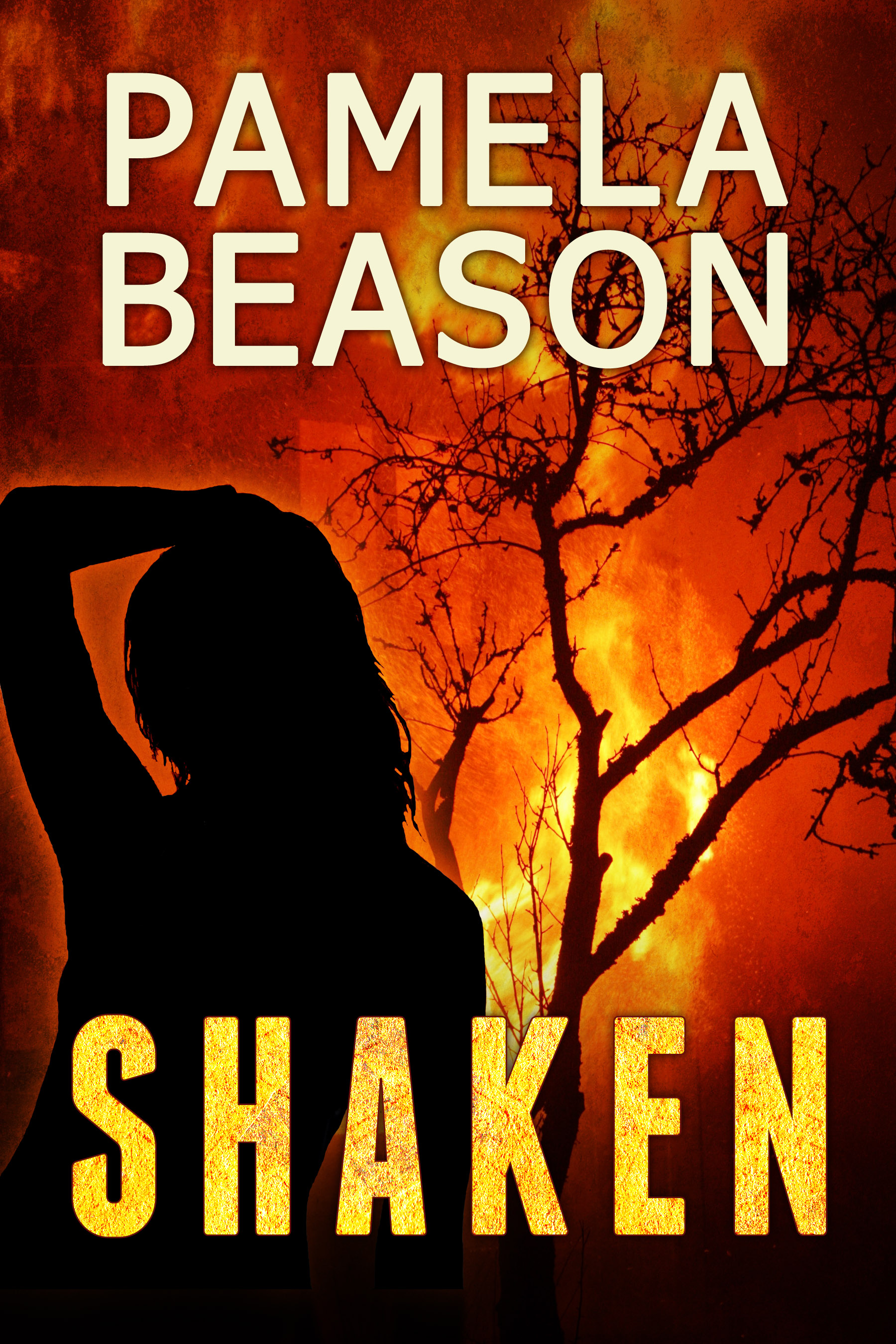
How sweet and how reassuring to be vindicated! I’ve had readers email me to say I made a mistake in one book or another, only to find out that the reader didn’t understand all the possibilities. Speaking of earthquakes, one of those readers wrote to me to say that the earthquake in the opening of my romantic suspense, Shaken, was all wrong. Earthquakes, she wrote, never ripple through the earth, but shake violently. Guess what, dear reader, depending on your surface location and the depth and position of the epicenter of an earthquake, the tremors you feel may roll through the ground like the incoming tide, shake the surroundings until they crack or fall, or simply slip sideways with single booming noise and resulting swaying after the slip. (I’ve had the joy of experiencing all three types.)
But I’m digressing again. I never came close to selling the screenplay version of Call of the Jaguar. (Hey, it’s really, really hard to sell screenplays!)
So I eventually turned the story into a novella, which I now give away on Amazon and elsewhere. My character, Rachel McCarthy, has quite the adventure among the Mayan ruins in Guatemala. And I had a good, hot, steamy time exploring ancient pyramids in the jungle, too.
I’m sure I got many other aspects wrong in Call of the Jaguar, but hey, it’s fiction!







 Ladies of Mystery
You must be logged in to post a comment.