When Changing Reality Conspires to Make Me Look Like an Idiot

Most fiction authors are familiar with the debate about whether to use real locations, people, and real historical events in our stories; or whether to keep everything fictional.

There’s an argument to be made for both sides. Many book lovers enjoy reading about real places, and some even make the effort to visit a place because they’ve read about it. They might buy specific products mentioned in a book, or eat a particular meal that was described. I get it. I have sought out places and experiences that I’ve read about in my favorite stories.

Maybe I’m uniquely cursed, but the changeable nature of reality often comes back to bite me when I use something specific and real in my stories. It’s one thing when a story is clearly historical fiction, set far back in time, but when it takes place only a decade or only a few years ago, do readers actually keep track of when changes happened, or do they simply think the author is clueless?

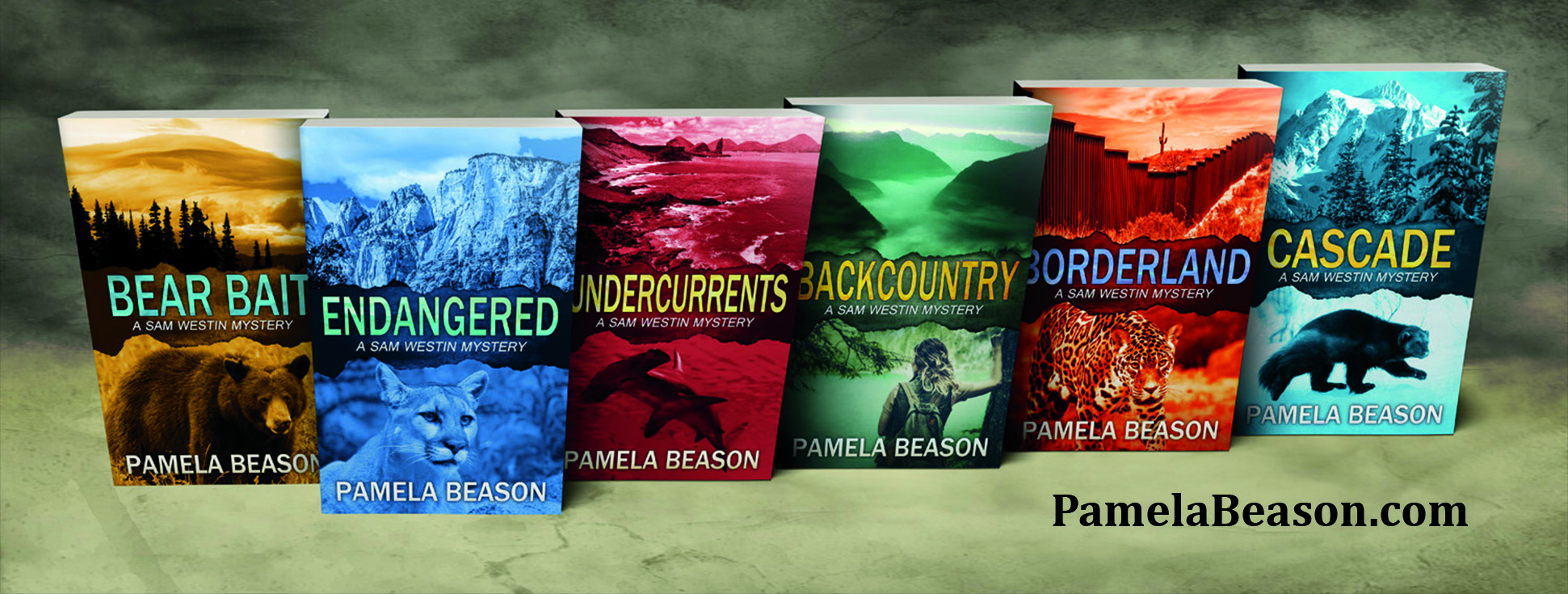
I started my Sam Westin series with Endangered, a story about the search for a missing child in a fictional national monument. My protagonist was submitting daily blog reports from the backcountry via satellite phone and computer connections. Needless to say, the technology that she was using more than ten years ago has changed drastically over the years. Do readers now think that I know nothing about technology? I’m afraid to take a survey.

When I wrote my mystery Backcountry, I decided to set a pivotal scene in a country western dance bar owned by an acquaintance of mine. I wanted more people to know about the place. Then, less than a year after Backcountry was published, the bar went out of business.
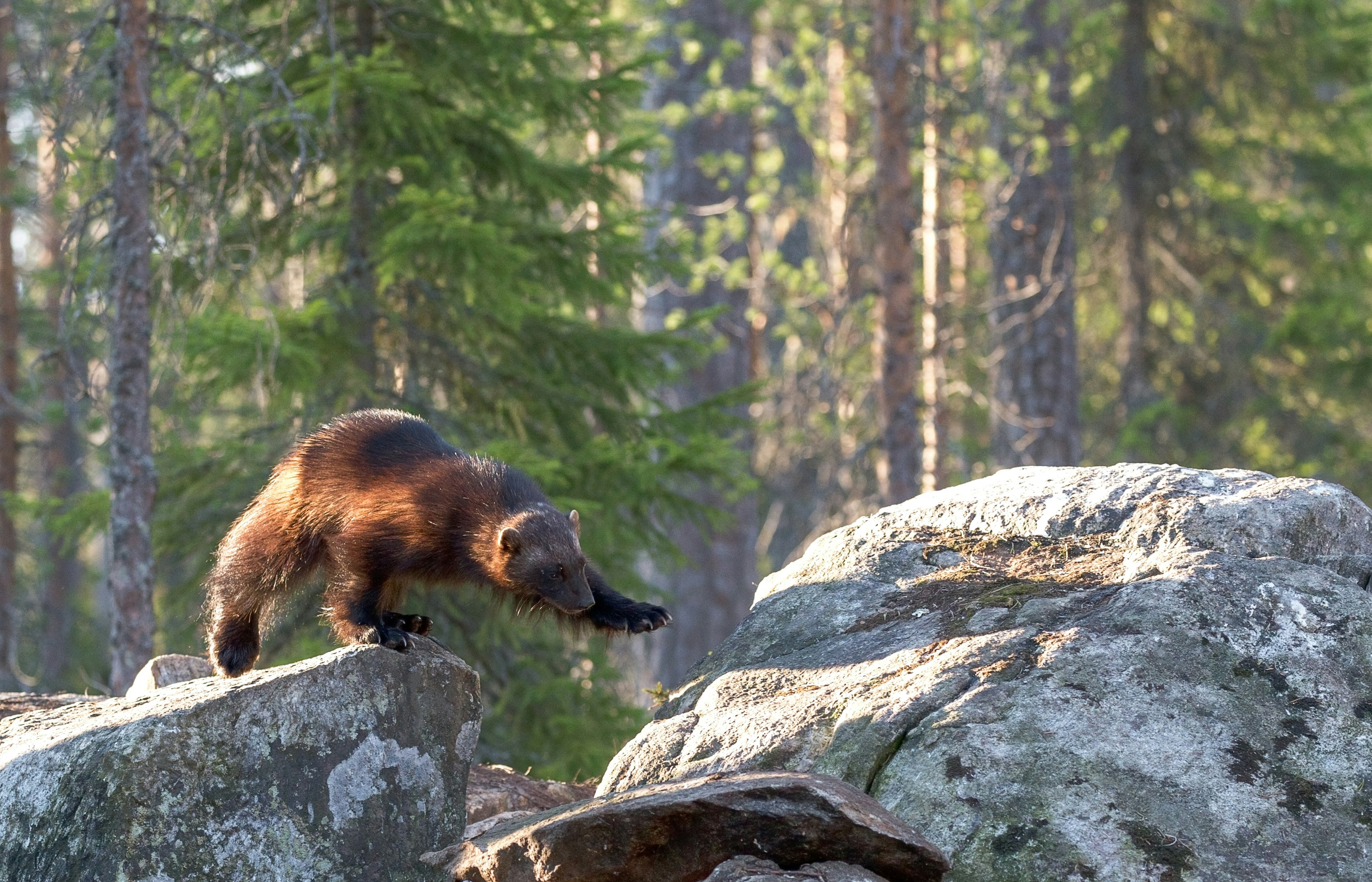
In Cascade, a mystery I published only a couple of years ago, I (or rather, my protagonist Sam Westin) made a big deal about how wolverines should be on the Endangered Species List in the United States, but they weren’t. Just a couple of week ago, I read wolverines had recently been added. Yay for wolverines! They deserve to be listed. But now, I’ve got to wonder: how many readers will check the publication date of Cascade and compare that with the date that wolverines became protected; and how many will simply conclude that the author of the book didn’t know what she was writing about?

To make matters more complicated, my state, Washington, is on a campaign to change the names of our popular waterways and parks because the person for which the place was named was white and basically, a terrible person to non-Caucasian people. For example, our Harney Channel, a major passage in the San Juan Islands here, was originally named for a 19th century U.S. Army general famed for abusive and even deadly actions toward Black and Indigenous people. Now it’s Cayou Channel, re-named to honor a Coast Salish Native American who was an upstanding leader in all ways for his time. Again, this is something to celebrate, but now even new maps seem to indicate that I don’t have a clue about local geography.

No doubt our state’s Committee on Geographic Names will change up a lot of things around here. After all, practically all the place names I’m surrounded by are called by the last names of white British officers who were on George Vancouver’s explorations, or named for white guys who were bigwigs in the Hudson Bay Company. And how long will it be before the Committee gets around to reconsidering our state’s name? George Washington was another old white guy and a slaveowner, after all.

The faster that technology and names change, and the faster that events change public opinion and even the course of history, the harder it is to write a good story that mentions real places and things. We authors are capturing snapshots in time, and that time seems to be getting shorter and shorter.

Maybe I’ll switch to writing science fiction and make up everything from now on.
A Novel Writer’s Travels: Inspiration or Distraction?

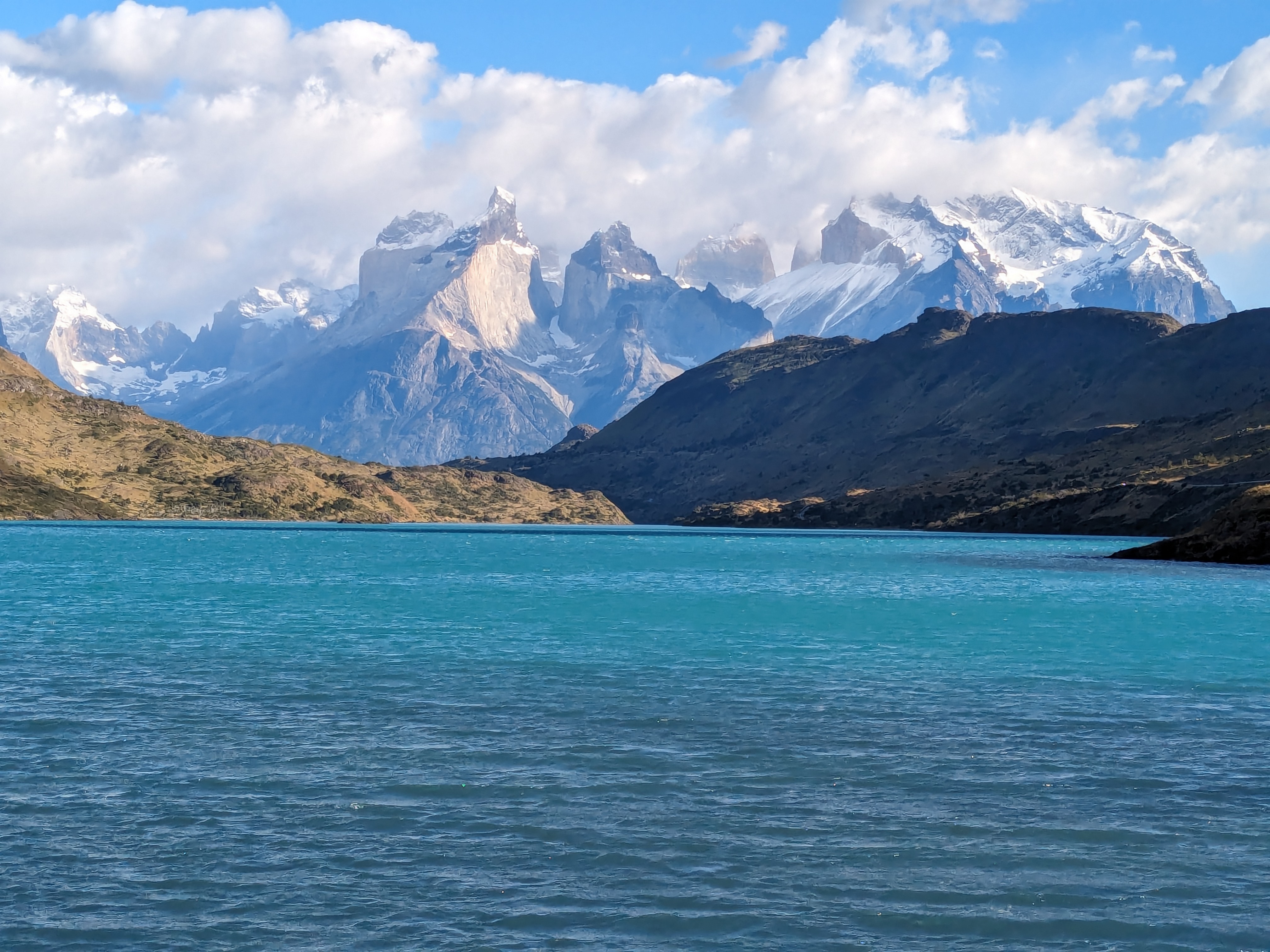
Torres del Paine National Park, Chile

I recently spent nearly three weeks in the Patagonian regions of Argentina and Chile, on a tour with 13 wonderful people who are now all friends. We enjoyed a wide range of activities from learning to tango in Buenos Aires to hiking in spectacular Torres del Paine National Park in Chile.

Because I had explained I was a mystery author when we introduced ourselves at the preliminary meeting, my fellow travelers often asked me about how the trip would influence my writing. The most common question was “Are you getting a lot of great ideas for your next book?”

I usually answered that I needed to finish the mystery I’m currently working on before I could think about anything else. But hearing the question multiple times made me think about the way I deal with the information I gather during my trips. I do typically need to finish the novel I’m working on, so I tend to regard a trip in the middle of my book-writing process as mostly a “break” from sitting at my desk every day and planning and editing and marketing. Also, I typically travel to foreign countries, and my mysteries are generally set in the USA, and often in public lands and small towns there. I don’t feel that visiting a country as a tourist really gives me enough insight to use that country as a setting for a story. So, for me, these trips are mostly vacations and distractions from my writer’s life in Washington State.

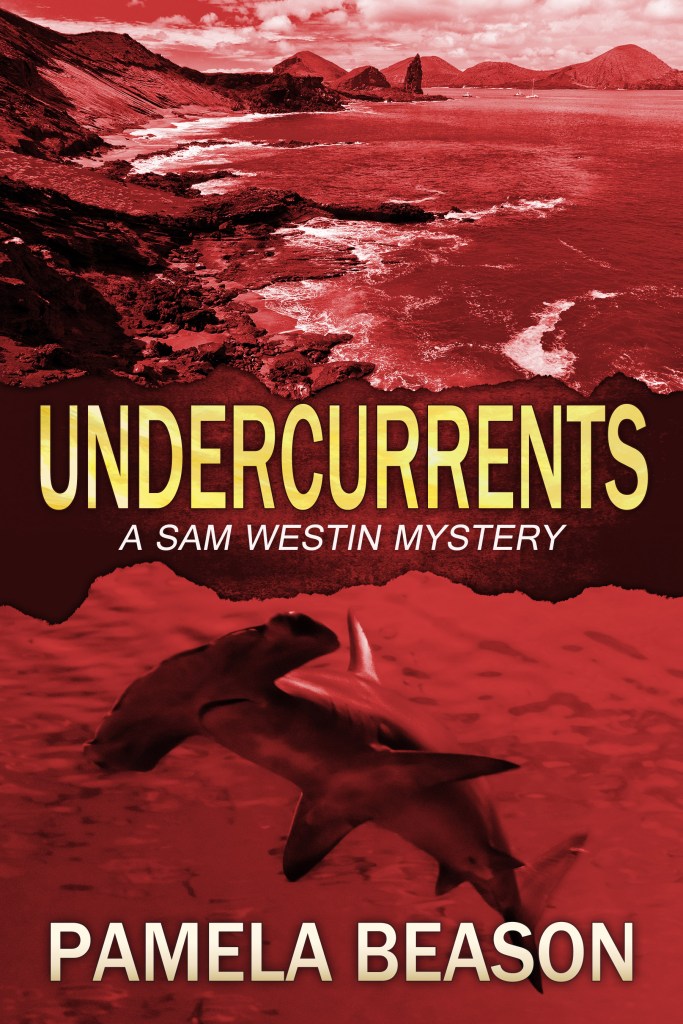
An exception to this was my mystery Undercurrents, which takes place largely in the Galápagos  Islands of Ecuador. I was inspired by a trip there to write a novel about a tourist who doesn’t speak the language and was clueless about the political undercurrents in the Ecuadorian society there. I, like my fellow travelers, was mostly ignorant about the history and controversy that surrounds the islands, but unlike the others on my small tour boat, I can speak and read Spanish, so when I picked up a local newspaper, I read “Fishermen’s Union Threatens to Blow Up Tourist Boat.”

Interesting, was my first thought, especially as I was traveling on such a boat at the time. My second thought: what the hell? What was the Fishermen’s Union and why would they want to blow up a tour boat? Thanks to the internet, I soon discovered that Ecuadorian newspapers were online, allowing me to keep up with news from the islands, and later I connected with an environmental activist working in the Galápagos, who gave me valuable insights and great details for my book.

As a typical American tourist and nature film lover, I had a romanticized view of Darwin’s enchanting islands. They are a World Heritage Site, and biologists around the world consider the place a special reserve for scientific study, both in the marine reserve and on all the islands. So why wouldn’t all nature lovers want to explore this incredible place, and why wouldn’t Ecuador be oh so proud to host visitors from all nations?

In my research, I discovered many reasons why foreigners were not always welcome in the islands. So, I made my Sam Westin protagonist take up scuba diving (I’m a scuba diver, too) and jump on the chance to go to the Galápagos to participate in a marine survey, assuming that all biologists would be enthusiastically supported in their investigations there. She soon discovers that her assumptions do not mesh with reality, and unlike me, she doesn’t know Spanish and couldn’t easily uncover the reasons for the deadly hostility she encounters.

No, I’m not going to reveal all the twists and turns and revelations here. Get the book! But my point for this post is: while my tour of the Galápagos was mostly a distraction at the time I was vacationing there, the experience piqued my curiosity, and a lot of the material ended up in a book years later.

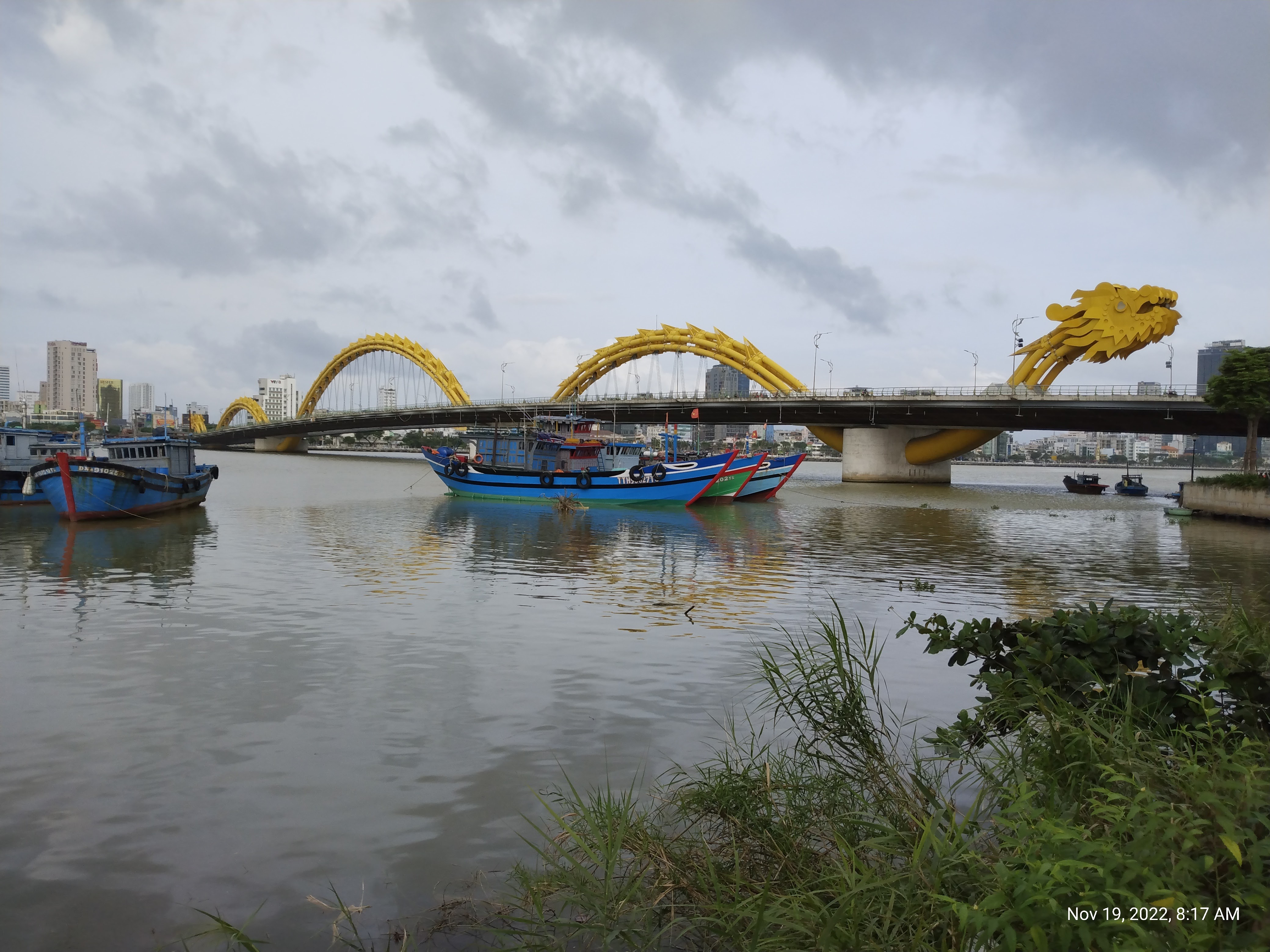
Dragon Bridge, Vietnam

And that’s probably how it’s likely to go with all my travels. I went to Vietnam in late 2022, and then, in 2023, to Central America (El Salvador, Honduras, Guatemala, and Belize) and Tanzania. In the future, I might use a lot of what I learned on those trips in a book or two. A tourist vanishing in crowded Hanoi or in a Central American steamy jungle or in endless grasslands of the Serengeti? Maybe.

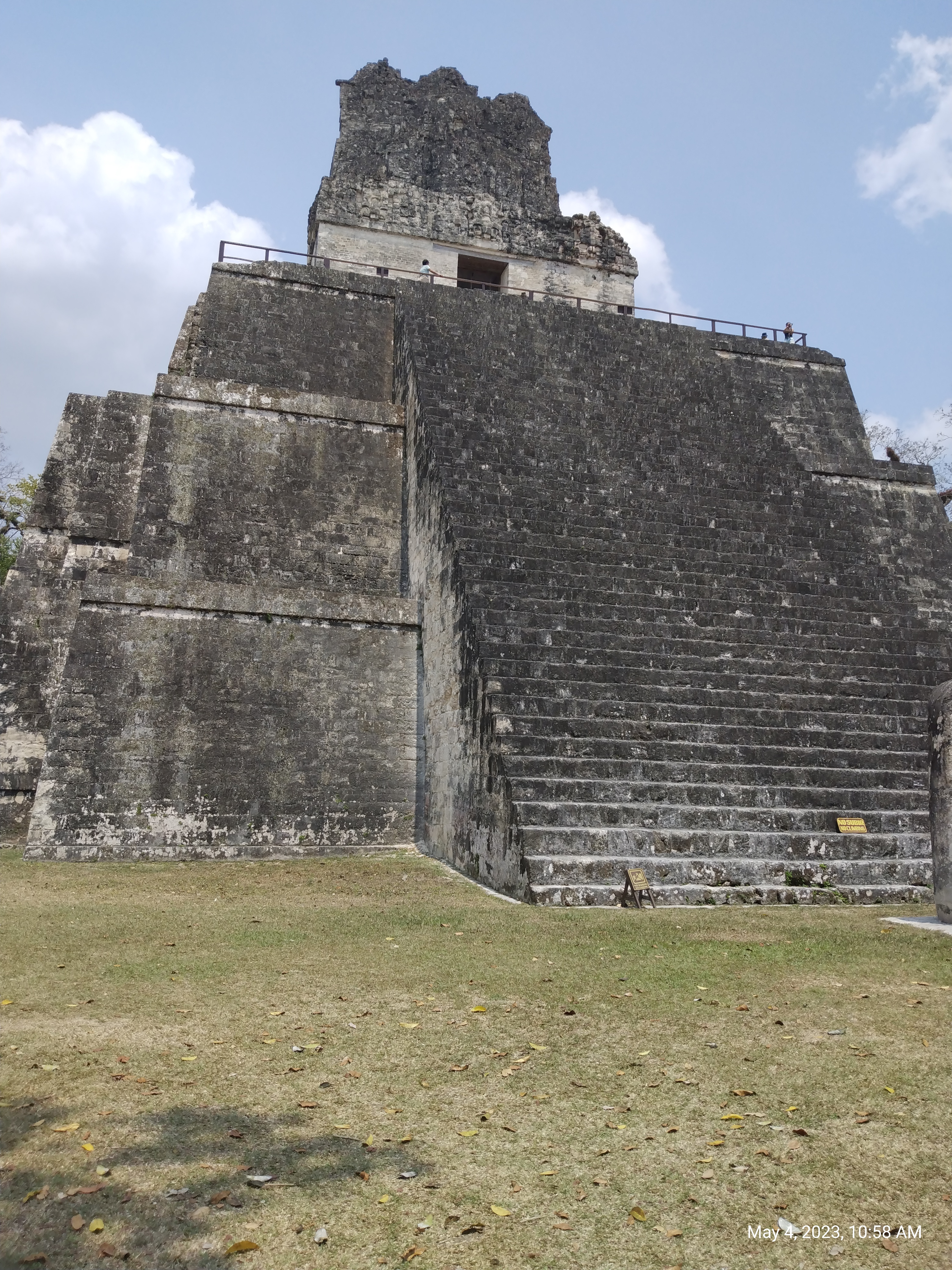
Mayan Temple, Guatemala

I have used bits of my experiences in my adventure novella Call of the Jaguar, about a 40-year-old woman who goes to the Central American to find the archaeologist lover she didn’t choose (she married a rich jerk instead), in my romantic suspense Shaken, which has a half-Guatemalan protagonist, and in Race for Justice, the third book in my Run for your Life trilogy, in which my young protagonist competes in a perilous cross-country race in Zimbabwe, the birth country of her murdered mother.

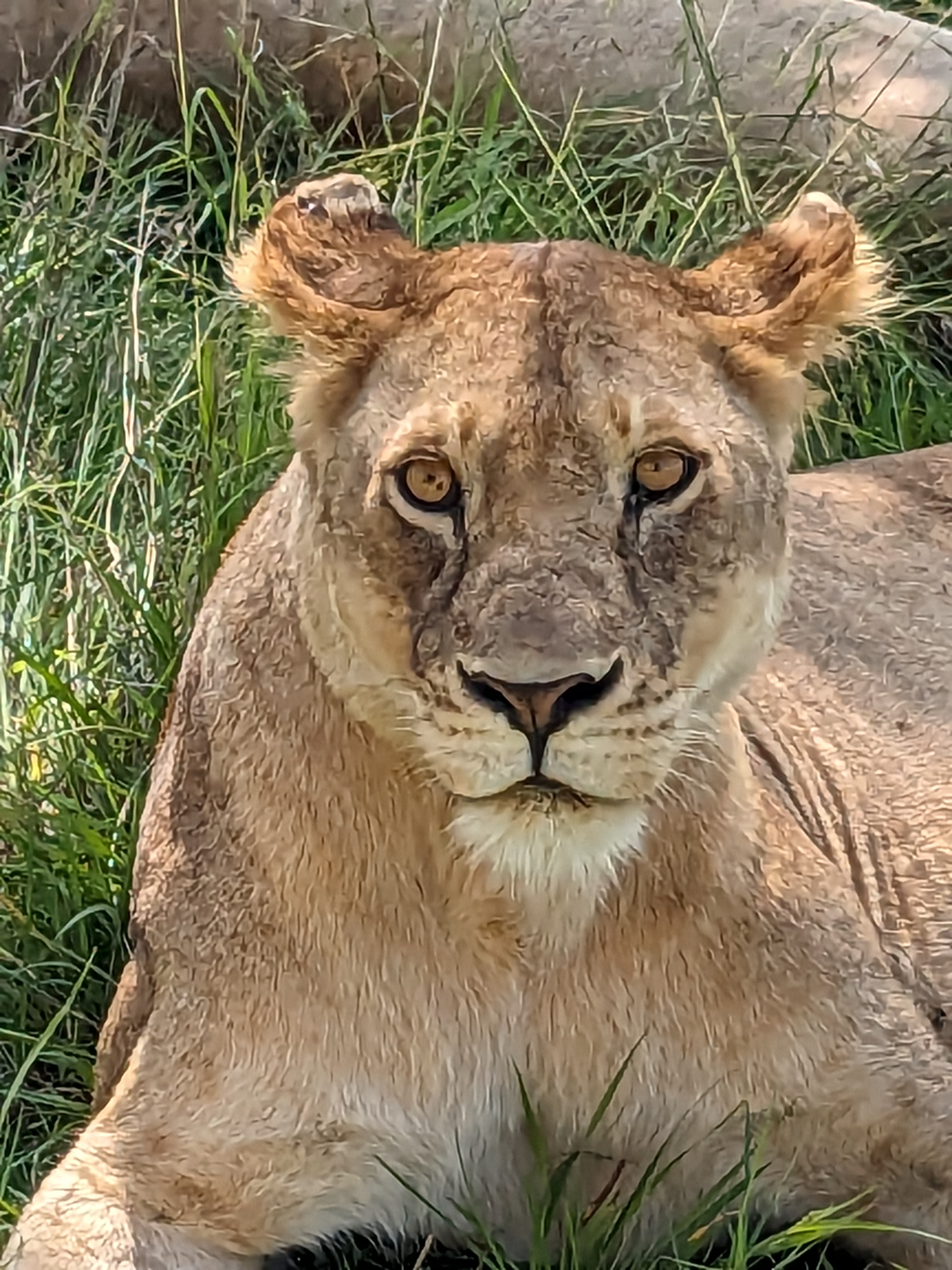
Lioness, Tanzania

This time, while in Patagonia, we learned about Nazi war criminals hiding among the many European immigrants to the area, and about the history of the native peoples in relation to all the incoming strangers. As in the US, Argentina and Chile have challenges with both legal and illegal migrants from other countries. This made my thoughts return to my current work in progress, which has a theme of immigrants coming to the United States. It seems the entire world is concerned with migrations of people from other nations right now, so I guess I’d better speed up and finish my novel, as the theme is currently a topic of interest in so many circles.

So, are my travels inspiring for or distracting from my writing efforts? I guess I have to say they are both. Every learning experience is valuable, and it’s all fodder for the imagination, isn’t it?


Pamela Beason is the author of the Sam Westin Wilderness Mysteries, the Neema the Signing Gorilla Mysteries, the Run for Your Life adventure trilogy, and several romantic suspense novels. She is currently working on If Only, a crossover novel that will include the characters of both the Sam Westin mysteries and the Neema mysteries. Even when she’s working at her desk in Bellingham, Washington, her imagination is off on a trip somewhere else.

Getting Back into Character

Fiction is my salvation, both in reading and in my writing, because often everyday life is so tragic or so infuriating that I need an escape. So it is with renewed enthusiasm and determination that I am finally turning back to my work in progress: my crossover novel between my Sam Westin wilderness mysteries and my Neema the gorilla mysteries.

Somehow, during the long COVID isolation, my creative brain withered. I have only been able to write in fits and starts for several years now. And after the restrictions were lifted, I’ve been traveling quite a lot—Vietnam, Central America, Tanzania, and multiple shorter trips within the U.S. But life is supposed to be back to normal now, right?

However, having been derailed by family struggles and tragedies and having personally detoured (and procrastinated) for so long, I now must remember how to write. You’d think, as this will be my 15th full-length novel, that the process would be natural. But no. I have never been capable of writing an outline in advance for a novel. My brain just doesn’t work that way.

When I finally sit down at my computer and stare at that blank page on the screen, I feel like I’ve never done this before.

I need to remember how all my characters think, and since this book will contain two casts of characters, this is a bit of a challenge. But I will draw on my life experience. And on the internet, of course. First, I tackle Sam Westin, since Sam and Pam are a lot alike in their love of nature and their outdoor activities. Last October, I hiked part of the trail along Ross Lake in the North Cascades National Park complex that I am planning to use in this book. I have kayaked to other portions, so I can envision myself as Sam setting off on that trail and camping at the campgrounds. Like Sam, I would love to see wolves in the wild, so I can identify with Sam’s goal and imagine reasonably well what that would be like.

Finding not one, but two dead men in the wilderness? That’s a little harder, but hey, I’m a mystery writer. I can imagine it. I often imagine finding bodies in the wilderness when I’m out kayaking or snowshoeing or hiking. (Doesn’t everyone?)

Getting stuck with an injured foreigner who desperately needs help? I used to be the designated first aid responder at a geological research facility, so I’ve dealt with blood and injuries before. I’ve studied wilderness first aid and done stress and rescue training as a scuba diver. In college, I worked as a dormitory counselor in an English language school, where I had to interact with students from around the world. So, I think I can handle those scenes.

Being shot by an unseen stranger for no reason I can think of and needing to run for my life? Nope, I’ve never been there, thank God. But I can imagine the pain and confusion and fear. And I’ve walked through wild areas at night as Sam will need to do, so I’ve got that, too. But there’s a horse, and the injured guy. I’ve dealt with horses before. Yes, I can handle the Sam Westin part of the story.

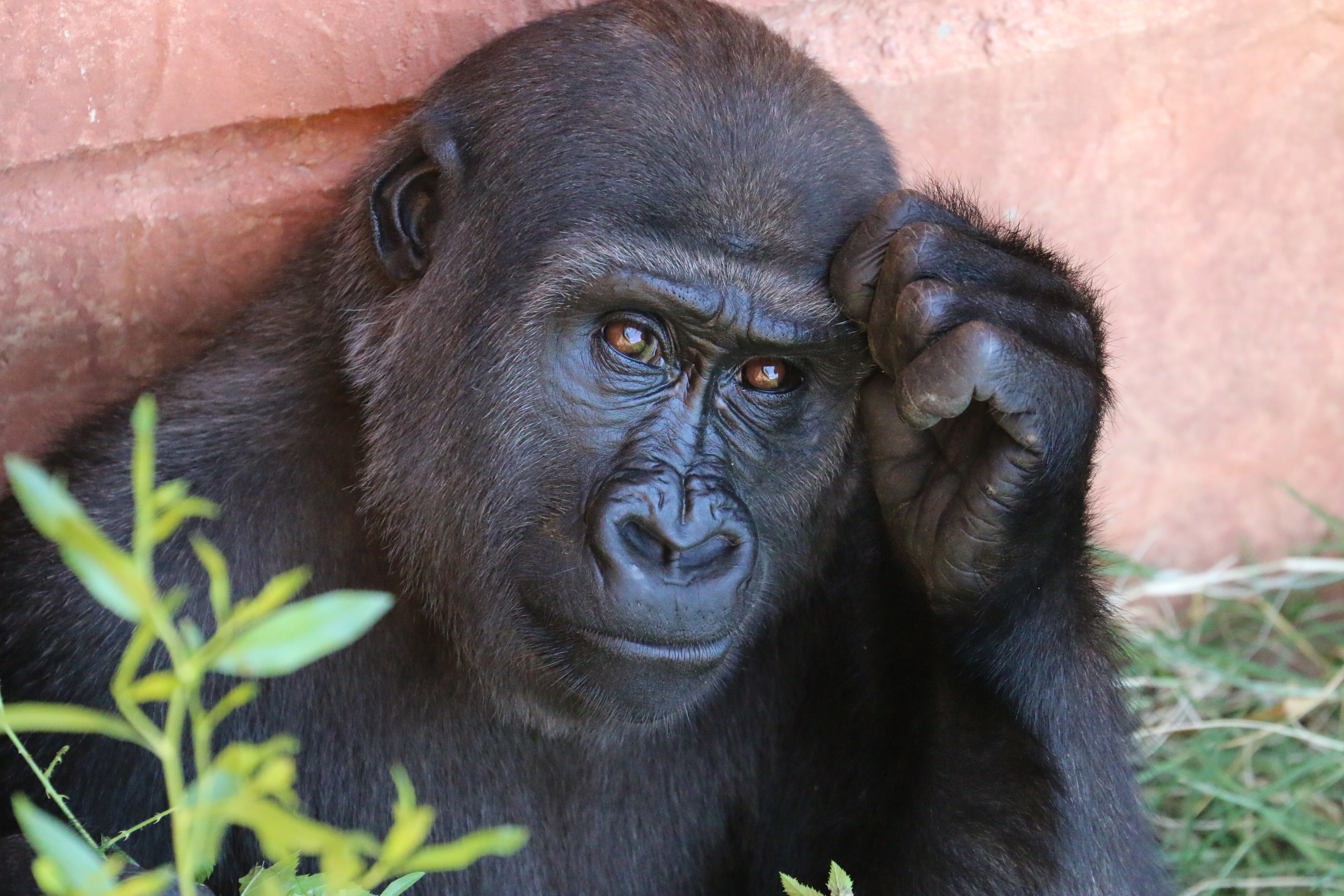
But then, I turn to the Neema portion. Neema is a gorilla that knows sign language, she has a mate, Gumu, and a baby, Kanoni. So, I write the beginning scene for the Neema portion of this book, in which both baby Kanoni and a foreign woman are shot (Kanoni, on purpose; the woman, accidentally). Yes, it’s horrible, but mystery writers have to do terrible things now and then, or readers won’t believe that they could happen in a book by that author. (Don’t worry too much, I can’t stand to kill animals, so the little gorilla will survive.)

Only the gorillas witnessed the terrifying crime and the perpetrator. So, after the dramatic original scene, I try to put myself in Neema’s place. She’s a mother, she’s confused and grieving after the vet takes Kanoni away. But she’s a gorilla; she doesn’t understand what happened or what to expect. I am neither a mother, nor a gorilla.

Blake, Sam Westin’s housemate, is way out of his depth in this story. He’s in charge of taking care of the gorillas while their owner is on vacation in Hawaii. Blake is a gay man who was betrayed by a lying lover. I’m not a gay man who has been betrayed by a lying lover.

My imagination is not getting very far with this. Why did I think I could do this?

Like many frustrated writers, at this point, I run away. I go for a walk. I vacuum the endless cat fur from my rug. I read several books. I re-caulk my bathroom. And then, after a couple of days of doing everything except writing, a revelation slaps into my brain: while Neema the gorilla is the character readers most often remember from that series, the stories are actually told from the point of view of Detective Matthew Finn.

Well, duh! Like I said, sometimes I feel like I’ve never written a book before, and it’s been quite a few years since I wrote my last Neema mystery, and my imagination has been on vacation for way too long.

I’ve done detective work. I was a private investigator for ten years. So, what is Detective Finn going to do when the case lands on his desk? Oh, yeah, I see it now. I see the path forward! Well, at least for several more chapters.

How will I blend these two stories? I have some thoughts, but none that are fully fleshed out right now. There is a common theme, trust me. There is a connection. I’ll get there.

But now I need to go for a walk. And vacuum up more cat hair.

Of Holidays, Memories, and WAY Too Much “Stuff”

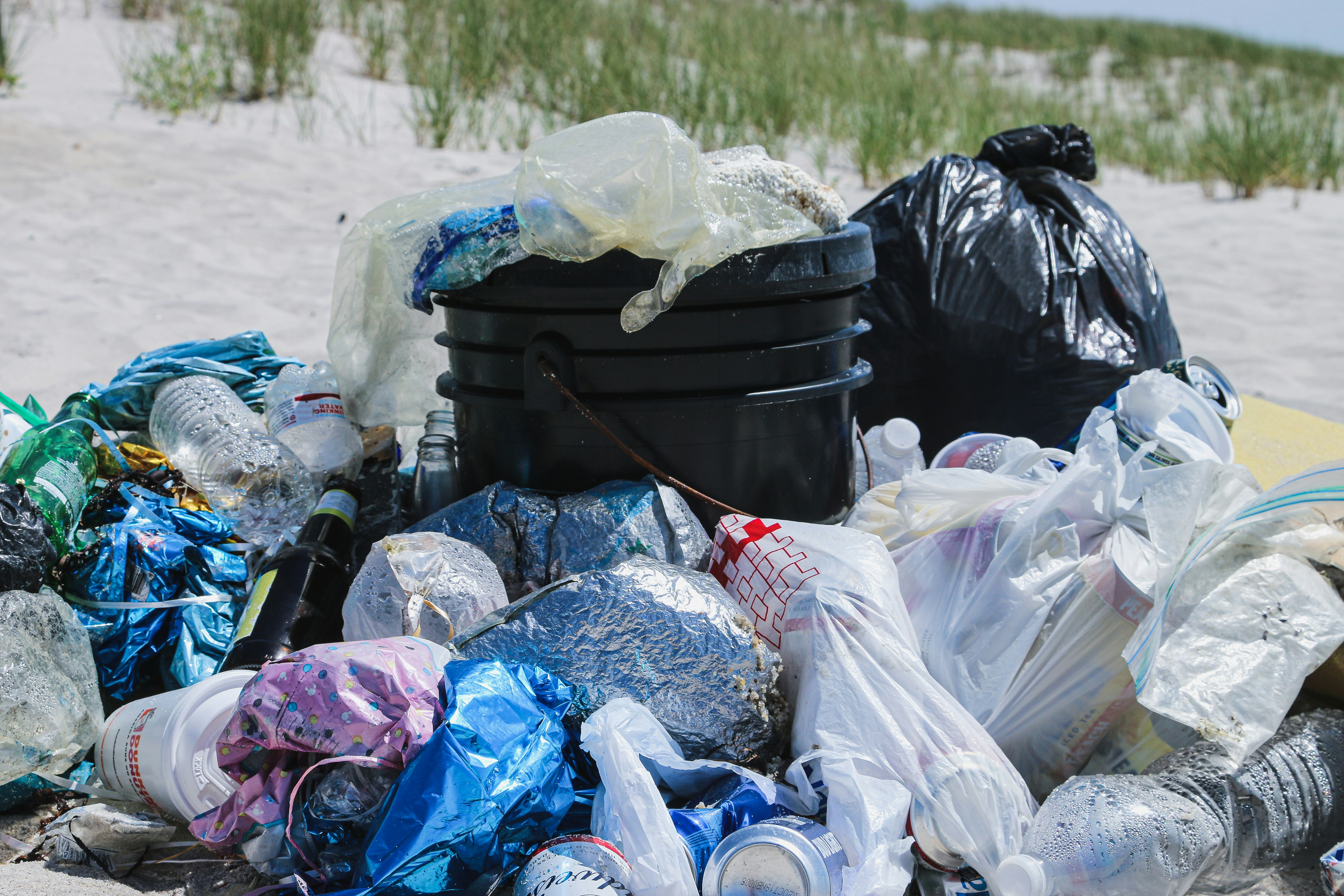
I mentioned in a previous post how much I detest the Christmas holiday, but I know that’s not true for many people. Christmas is a special time for those who are religious and for many who have children, too, and it can be a time to give a gift to someone who can’t afford the item or who would not otherwise have a gift at all. But generally speaking, among the middle-class folks I know, none of us need more “stuff.” Excess “stuff” is filling our garbage dumps and destroying our planet.

So, I really don’t like to give an unwanted item just for the sake of giving a gift, and I really don’t appreciate receiving those, either. What am I supposed to do with the perfume I’m allergic to, or the scarf I will never wear? Yes, there’s always re-gifting to someone else, but we have to be careful about passing it on or we might hurt the feelings of the person who originally gave the gift.

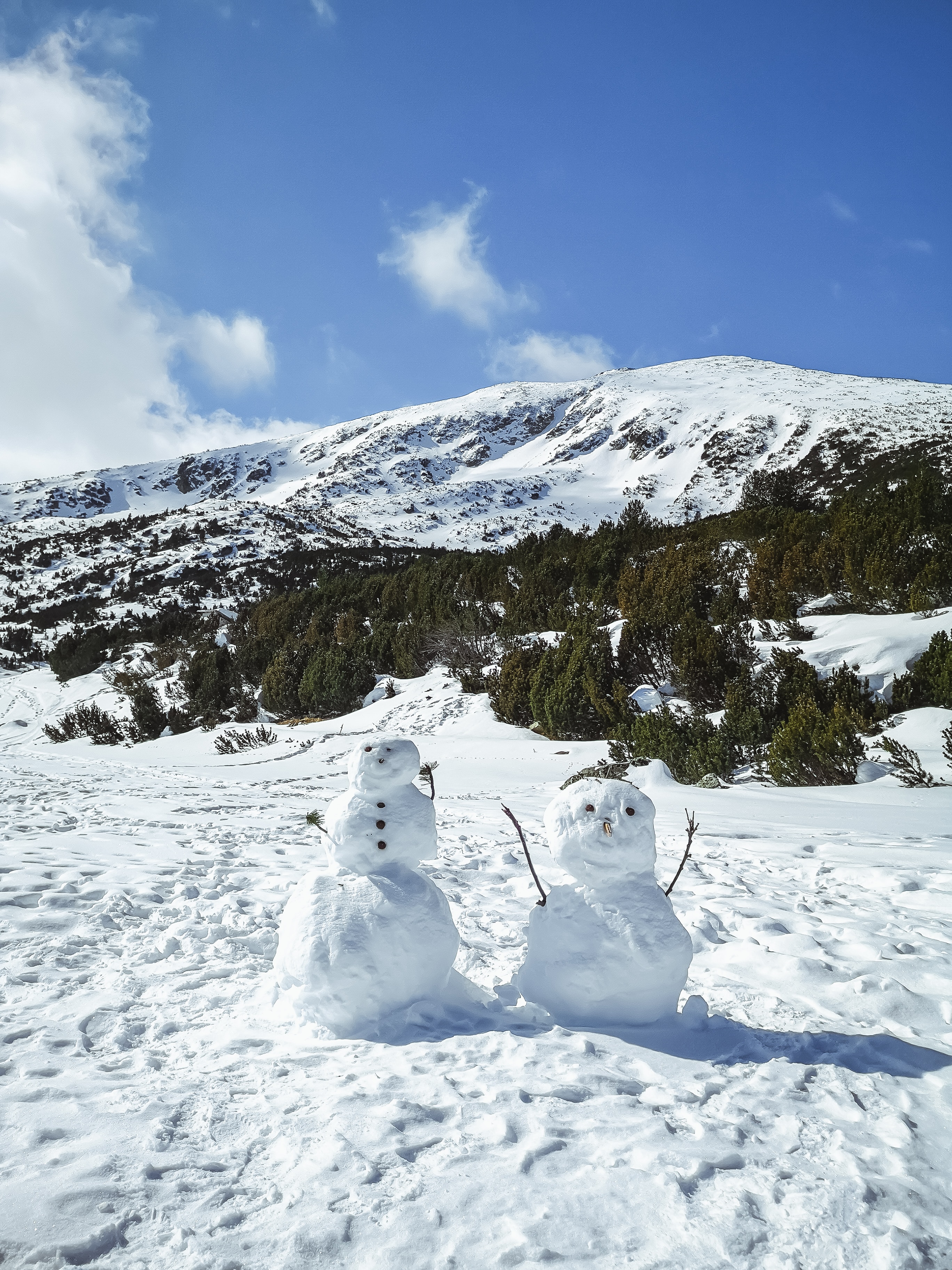
When I think about gatherings of family or friends, I have no great memories of gifts I received. Do you? My best memories are all of activities and laughter we shared. I hope that folks who gather for the holidays will do something fun together. My first choice would always be to get outside and go for a walk or snowshoe or build a snow woman a snow dinosaur or something physically active, out in nature.

However, I realize that not everyone is capable of rigorous outdoor activity, and often the December weather is not welcoming, either. So maybe, play a simple game that everyone can participate in, like charades. Or have a gift exchange where each person wraps one useful and inexpensive item, like a screwdriver or a soup mix or a set of cooking spoons, then draw from a central pool of wrapped gifts, and let each person keep their gift or trade for another gift that has already been opened (a white elephant gift exchange). That activity can be interactive, often hilarious, and everyone goes home with something that is at least useful.

If you must give a gift to everyone, consider giving a homemade item like cookies or jam or a soup mix, or give an experience, or even more precious, a gift of your time. You might offer to babysit for relatives or friends who would really appreciate an adult night out, or offer to help paint a room if you know someone who is remodeling, or promise to drive an elderly relative to visit friends, or teach someone who has always admired your sweaters how to knit. How about gardening help or a one-day use of your pickup to haul something? You can write out your promise and put it in a nice card with a bow on it.

If you’re not crafty or a great cook and you don’t have extra time to offer or possessions to lend, you might give a gift certificate for a local restaurant or movie theatre or bowling alley or theme park. Or if you are wealthy, give a whole weekend getaway to someone who really needs it. You can give the gift of a future event or holiday; the gifts don’t need to be immediate. We all need things to look forward to.

Gifts of your time, your creative skills, or an enjoyable experience are typically a lot more meaningful and useful than another piece of “stuff.” Focus on making memories instead of more credit card bills.

Most of us have way too much “stuff.” But nobody ever has too many happy memories. Happy Holidays!

Seasons of Celebration and Frustration

It’s mid-November, and our leaf color display in the Pacific Northwest this year has been nothing short of spectacular. Our drought is finally over, and all the waterfalls along the trails I typically hike are back. I had avoided those areas in the late summer, because it was just too depressing to observe all the dry creek beds. The weather in autumn is typically my favorite, with cool, crisp sunny days.

But I enjoy all the seasons. Spring is always full of anticipation as the hours of sunlight get noticeably longer each day and the blooms and new leaves emerge. Spring, for us along the coastline in the Pacific Northwest It always takes way too long for the snow to melt in the Cascades here, but it’s often fine for spring snowshoeing, so I can conjure up a little patience to wait for the ability to hike on dry trails.

And then there’s summer, the most amazing season of all for high-country hikers, with all the trails melting out and the North Cascades mountain vistas that extend as far as you can see. Mountain goats and bears are around all year long, but are rarely seen in the winter. We are so blessed in this area to have millions of acres of national forests and so many national parks. There are so many trails to explore in Washington State in every direction, I’ll never be able to hike all of them.

So, now it will soon be full-on winter and all the rainbow colors in the trees will be gone. I will, however, still walk the local trails here in the lowlands. I may be one of the few people who actually enjoy seeing the trees in their naked glory. It’s interesting to me to view the branch structures, the differing textures of bark, and the nests that birds and squirrels have built or hollowed out over the seasons. Without leaves, it’s much easier to see the birds that perch on the branches. Owls and hawks are my special favorites.

We still kayak in the winter, but it’s more of a challenge with wind and cold weather and short hours of sunlight. However, it’s always a delight to get out on the salt water. With luck, there will be kingfishers and all kinds of birds along the shorelines, and in the water, seals and harbor porpoises, and the chance to see orcas and whales.

But then there’s snow. I love to drive to the mountains and play in the white stuff there and receive enthusiastic visits from the gray jays that are always ready for a handout. However, I don’t like to see snow here along the coast of the Salish Sea. Snow mucks up the traffic here like you would not believe, because only a few arterial streets get sanded or cleared, so our neighborhoods are left to cope on their own, and many have steep hills to climb or descend. In my area, I often see folks pour out of their houses to help push a stranded vehicle up the street.

I love my independent single life, I truly do. I have lots of friends and all kinds of fun activities that I participate in, such as hiking and kayaking and snowshoeing, and going to movies, plays, and lectures in town. But each year, the holiday season feels to me like it has been uniquely designed to make those of us who don’t have big families feel like total losers.

But now it’s nearly Thanksgiving and the dreaded holidays are fast approaching! While many people look forward to Thanksgiving and Christmas, I detest those holidays, and I guarantee you that many other single, childless people do, too.

I especially dislike Christmas, when everything gets shut down, and so many useless and unwanted items are passed around because of a feeling of obligation. Most Americans have WAY too much “stuff.” It’s awkward to receive a gift that you don’t value. If anyone has to give me a gift, I hope they give me an experience: invite me to dinner or a play, or volunteer to help me fix something around my house.

While I don’t have much in the way of family, many of my friends do, and so they understandably vanish off to spend Thanksgiving and Christmas with their relatives. With luck, I may be able to patch together a potluck with a few single friends or married couples who don’t mind having a single woman at their table. For Christmas, instead of buying token items to the few family members I have, I use that money to make donations to worthy causes who help those who truly need assistance.

So, with more time on my hands in this season, I can finally sit down at my desk to write. I’ve been very slow to work on my next mystery, which will be a crossover novel between my Sam Westin wilderness series and my Neema the Gorilla series. Yes, some days it’s hard for me to imagine that, too. But now that I can focus, I’m sure I can pull it off. Stay tuned.

I plan to call this novel If Only, because the theme is about how we all are born into circumstances that may be lucky or unlucky, and we all make choices that may change our lives for better or worse. Imagine how different our lives would be right now if we had been born in Gaza or in Ukraine or Haiti or Ethiopia. Imagine how we might feel if we had bought a lottery ticket for the first time and won a million dollars, or if we had decided to take the boat out and got caught in a big storm.

That’s how the seasons go in my life. I try to “carpe diem” in all of them. And I hope you do, too.