My Brain Is Taking a Break

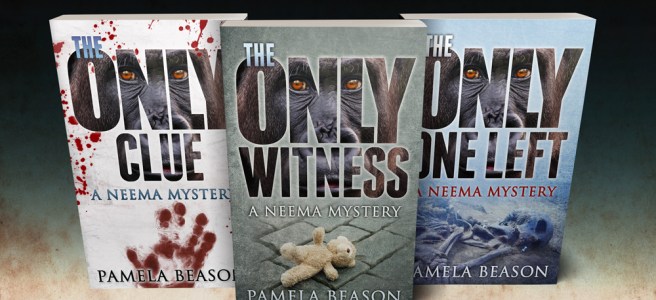
Ack! My post is scheduled for tomorrow, and my mind is blank. Not a single pithy idea is pinging around in my head. So, I’m just going to blather on about what’s going on while my creative brain is taking a vacation. I’ve finished the manuscript for my latest mystery, IF ONLY, which is a crossover novel between my Sam Westin Wilderness series and my Neema the Gorilla series, and trust me, it was not easy to mix those two very different settings and groups of characters, but I believe I pulled the blend off smoothly, although it took me a long time.
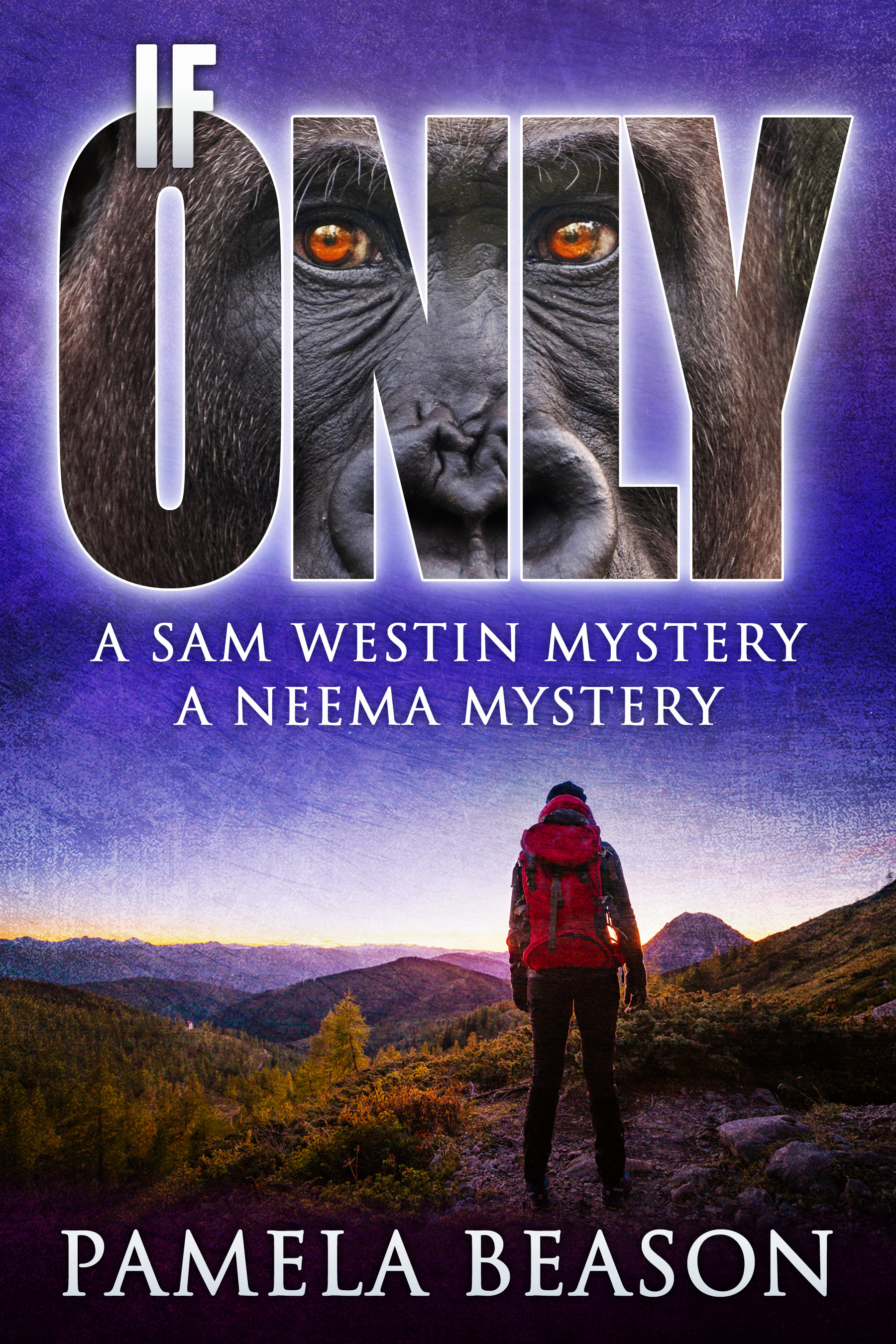
But then I ran into two snags. One, my editor is very busy and has been sick, so my manuscript has been held up in the final edit. Two, I planned for this book to be positioned in both the Sam Westin series and in the Neema series, cleverly eliminating the need to write another book for each series. But it turns out that Amazon will only allow me to place the book in one of my series, which then caused a need to make cover changes and dream up creative ways to make it clear that the book also fits in the other series.

I still have all the minutiae to complete after I make final manuscript changes: register ISBN numbers for both print and ebooks, make an ebook version for Amazon with links to my other books, make an ebook for Draft2Digital without those links, write the description for the book page, find appropriate keywords for the listing, etc., etc. Being a self-published author can be tedious, but at least I’m in control and making far more money than I did with a traditional publisher.

So, while I’m waiting for the final edit to arrive on my desk, I’ve been giving my brain a break with reading. I always read, and although I tend to prefer mysteries, I also read all sorts of other books, and I often read more than one at once. Right now, I’m reading two very different books, and they are both unusual picks for me. First, Jodi Taylor’s The Long and the Short of It, which is a collection of wacky humorous short stories. I rarely read short stories, and even more rarely read humorous stories, but these are much more entertaining to me than most, as the plots involve historians who travel back in time and accidentally muck up the details of historical events. Second, I’m reading Camp Zero, a post-apocalyptic story about groups of people who have been posted in the arctic for mysterious reasons having to do with discovering pristine air and livable places for humanity as the southern half of our planet devolves into climatic and political chaos. However, in Camp Zero, it’s clear that men, and not necessarily honorable men, are in charge of all these experiments, so it’s never clear what is going to happen next.

These make a great break from my normal reading. Lately I’ve been plowing through Sara Driscoll’s FBI K-9 series, which has great suspense and action as the protagonist works on life-and-death cases with her canine partner. I will definitely return to that series later. I adore stories that honor the abilities and intelligence of animals, although my cats often express the wish there were many more books that feature feline heroes.

Soon IF ONLY will be out, and my attention will then be diverted to marketing, which I am generally terrible at. But for now, my mind is having a great time in the virtual worlds created by other writers.
IF ONLY…

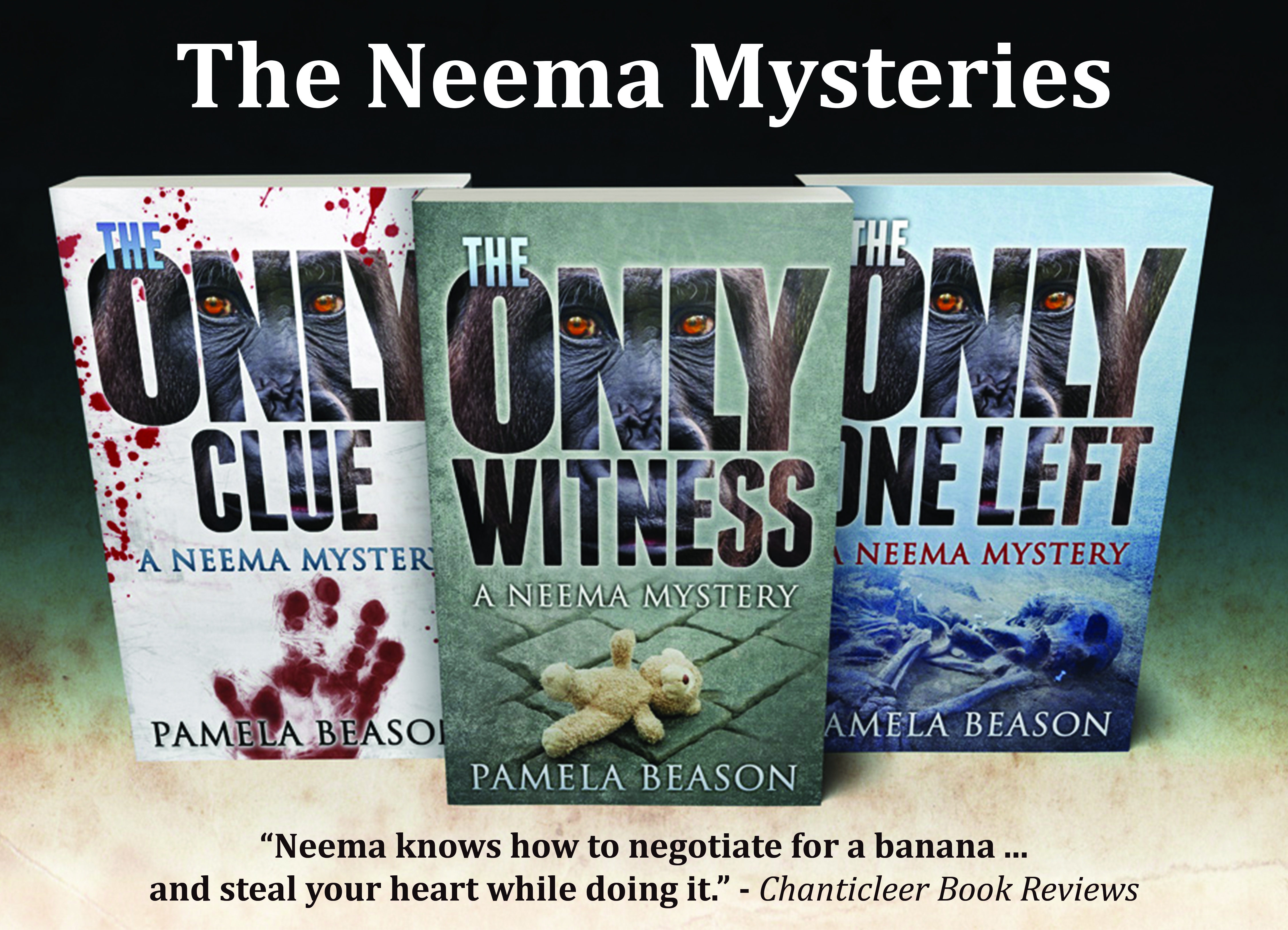
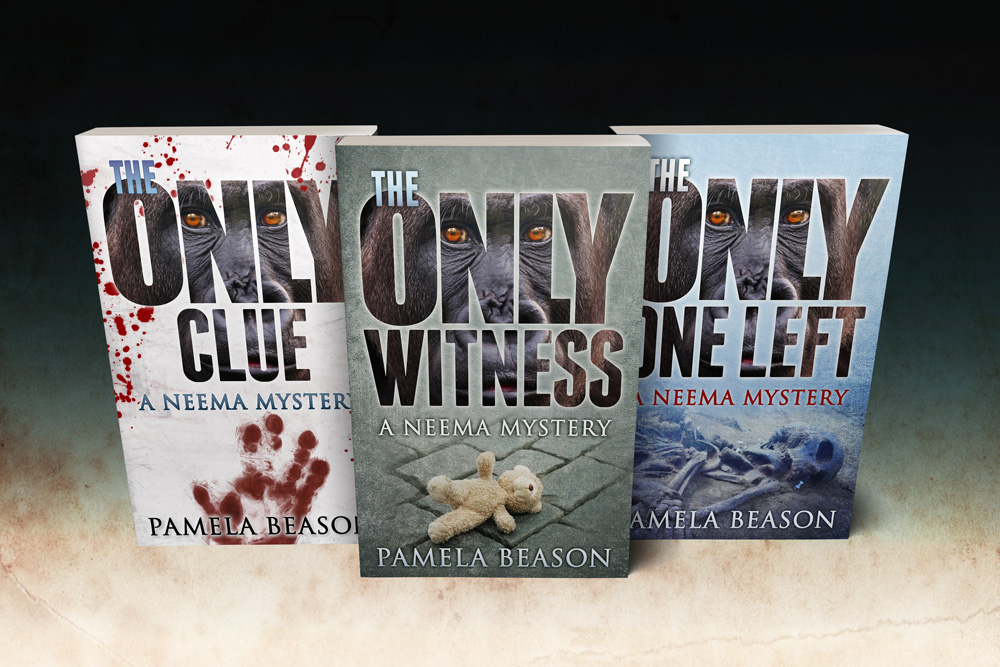
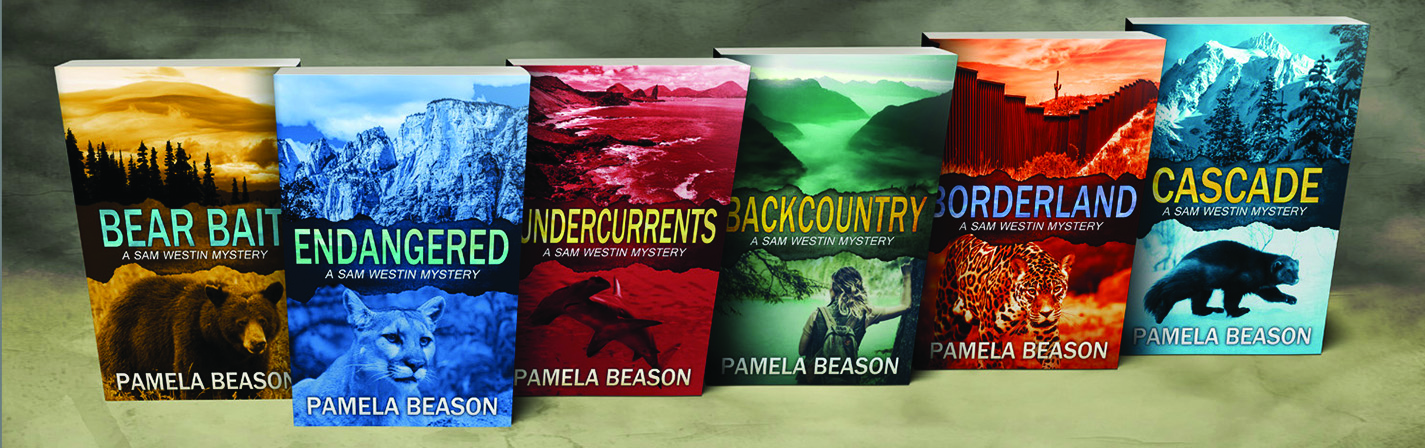
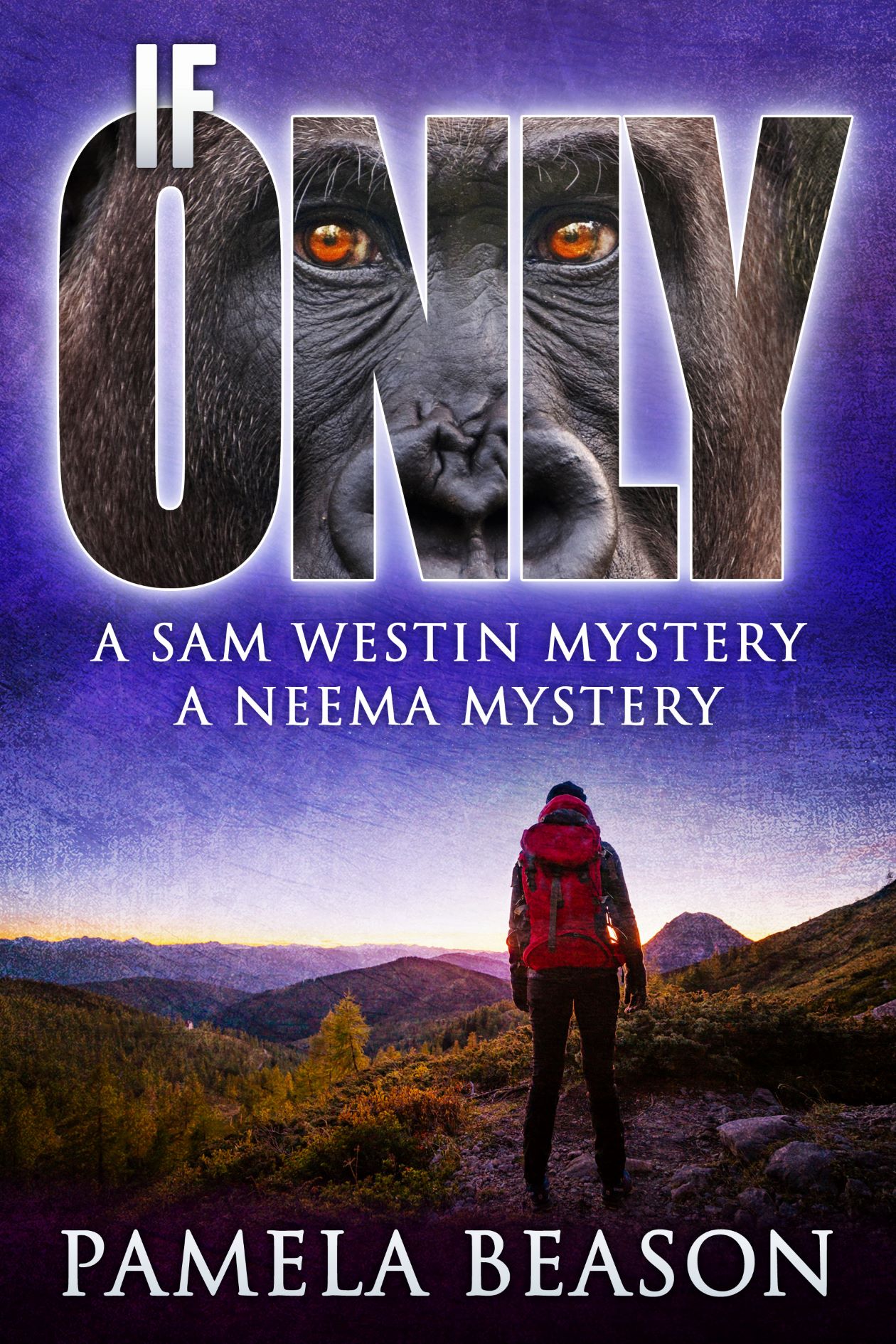
Whew! I finally finished the rough draft of my latest book, IF ONLY. This is a crossover novel with characters from both my Sam Westin Wilderness Mysteries and my Neema Mysteries. When readers kept asking when the next book in these series would be published, I got the wild idea to write one mystery that would fit into both series, thereby making my life easier.

I must have been drinking when that inspiration struck, because as it turned out, nothing could have been less easy.  Now, if you have different series but similar locations and goals, writing a crossover novel might be relatively simple. But the only way I could figure out how to make a wilderness adventure story (Sam Westin series) fit together with signing gorillas (Neema series) in two different locations was to write each story separately, and then stitch them together.

Well, I sort of forgot that I’d have to keep strict track of the passing time in each story so I could switch back and forth without making readers feel like they were on a time-travel merry-go-round. That was a bit of a nightmare, somewhat similar to when I cook and try to get all the dishes to be done at the same time. (You don’t want to watch me when this happens.)

And then there was the issue of figuring out a mystery that can be happening in one locale that will have something to do with the mystery in the other locale. If I wrote thrillers, I could have come up with scattered terrorist cells or something like that, but neither of these series include those kinds of books. A terrorist cell in the mountains of North Cascades National Park seems implausible, and terrorists having anything to do with captive signing gorillas even more so. The issue I finally came up with is illegal migrants seeking asylum in the United States.

I’m not going to give away how I wove the plots together, but I hope the resulting story will be satisfactory to readers of both series. I called the book IF ONLY, because it’s about having the bad luck of being born in a violent, poverty-stricken country instead of in a relatively safe, prosperous one like ours. And it’s also about the wonderful and horrific things that can happen when wilderness lovers choose to take the trail less traveled.

Some may conclude, especially since my novel Borderland included issues at the southern border, that I believe our borders should be open to all. That’s not true. But I do believe the United States should have a reasonable immigration program, and there are parts of our country that need more workers. I would personally like to see a program in which immigrants would be assigned to such areas and such work for five years, and in which communities and employers would agree to sponsor immigrants and ensure affordable housing and at least minimum wage salaries, and agree to periodic inspections and interviews so that abuses don’t take place on either side. But so far, nobody has let me run the country.

Many times while I was writing this novel, I thought to myself, if only I hadn’t planned to do a crossover novel, I could be out hiking right now. And there’s still a long way to go from rough draft to publication of this novel.

For Heaven’s Sake, Just Take the Photo!

I’ve never been nostalgic. As a child, I often spent weeks away from home at my grandparents’ house or at the home of friends, without a single thought of what I might be missing in my own family. I am very much a creature of the moment.

I’ve also never been photogenic. People rarely believe me when I say this, but then they take a photo of me and remark, “Oh, I see. You’re right.” I’m short, my frame is square, my hair and clothes are inevitably messy, my eyes are squinty in bright light, and if I know someone is taking a picture, my face goes all stiff. I find it impossible to smile on demand. I usually try to avoid being photographed if at all possible. Only a professional photographer who takes hundreds of shots can create a presentable photo of me. Which explains why my author photo is a bit dated.

Selfies are mystifying to me. Who wants yet another photo of herself in front of another landmark? Do all selfie-takers worship themselves? As a child, I had posters of the astronauts and Olympic skiers I adored on my walls, not a single shot of myself. Equally mystifying to me are snapshots of meals or drinks or clothing on Instagram and Facebook. Living animals and plants and landscapes, I can often appreciate.

Put all of these challenges together, and it makes sense that I have very few photographic mementos of my past. In recent years, I’ve realized what a tragedy that is. Late last year, a dear friend of more than 40 years passed away. While searching for a photo to put on his memorial page, I was appalled to discover that couldn’t find any. There were a few action shots taken during backpacking adventures we’d done together, but none of just the two of us, and none of him by himself. I sat down and cried. Why hadn’t I taken more pictures? It simply didn’t seem important at the time, but now it does. I ended up cropping his image out of a photo his friends had sent to me from his solo trip to Egypt. Thank heavens my Pixel phone has a magic erase function to eradicate extraneous people from photos.

For a local adventure magazine, I wanted to write a story about backpacking the West Coast Trail, also called the Lifesaving Trail, on Vancouver Island. Of course it needed photos to illustrate the amazing landscapes and challenging obstacles along the route. I had a handful of old pictures, but none that were good or particularly useful for the article. I remember the trip in vivid detail, but I was building campfires and climbing ladders and ferrying people and gear across rivers in cable cars instead of snapping photos. Honestly, what is wrong with me?

My hiking club likes to post photos of every hike, but I have often thought, why? We have hundreds of photos of the same place. Now I get it. It’s to document the people who were there.

So now, even though it’s not something I naturally do, I try to remember to take photos of my gatherings, whether the events are ordinary or extra-special. You never know when you’ll want to look at that memory again.

Battling with Bots in Phone Mazes

A couple of years ago, I deactivated my Twitter account, right after You Know Who took the company over and decided to allow any wackadoodles to post whatever they wanted, no matter how hateful or delusional. I thought that was the end of it—goodbye, Twitter or X or whatever you want to call yourself next. But somehow, my Twitter account did not go away. As a matter of fact, after two years of absence, the account now lives with someone posting as me nearly every day about magic mushrooms and referencing an account that has been suspended by X for violating its rules. A friend called this disaster to my attention.

I immediately contacted X product support and filled out the form for a compromised (stolen!) account and asked that the account be deleted. In the notes, I pointed out that Twitter no longer recognizes any of my email accounts, so I cannot get into the account, but that the Twitter feed shows the hacker posting as me, using the photo from my Facebook author page as well as my name. I received a form letter telling me to access my account and go through the deactivation process from within. I tried again, even posting my ID and photo. No such luck. Since I can no longer supply the email used for that account, they refuse to believe that it’s mine and it’s been hijacked. I was curious by why they didn’t see that every post by the hacker (probably a bot) references an account that has been suspended. Then it occurs to me: I’m trying to persuade an AI bot that a crime is being committed! As far as I can tell, customer support at X does not include human life forms, so it’s useless to add notes to prove your case; they will not be read.

When I posted on Facebook about the issue, several people referred me to an Instagram account that might be able to resolve the problem. Maybe that would help, and I will probably do it. But does it seem unreasonable that I’m reluctant to run from one social media site to another for help? These days nobody has a clue who is on the other end of any online communication.

Is everyone trapped in this increasingly non-human world every day? I recently dropped an eyecare company because they never offered any way to contact them other than going through their phone maze, and as they have offices all over the state, each time I wanted to call to ask a question, I had to spend twenty minutes wading through that morass. Our biggest healthcare system in my town is the same. You cannot call any office directly. I often hang up before I ever get answers, wondering if some people actually die wandering through the phone maze or waiting on hold nowadays.

Imagine if the 9-1-1 service were converted to AI using one of these phone mazes.

911:      Nine-one-one. What is your emergency?

Caller:  Someone is trying to get into my house! I’m hiding in my closet.

911:      Please choose from the following options: press or say 1 if you need emergency medical service; press or say 2 if you need the fire department; press or say 3 if you want the police department; press or say 4 if this is not an emergency.

Caller:  Three! Crap! The intruder just broke the lock on my front door!

911:      I understand you want the police department. Please choose from the following options: press or say 1 if you are reporting a theft; press or say 2 if you are being threatened by an armed person; press or say 3 for all other reasons.

Caller:  He’s coming up the stairs!

911:      I didn’t understand. Please try again. Please choose from the following options: press or say 1 if you are reporting a theft; press or say 2 if you are being threatened by an armed person; press or say 3 for all other reasons.

Caller:  Oh god, two! Two! Two!

911:      I understand that you are being threatened by an armed person. Is that correct?

Caller:  Yes, yes! He’s trying to open the closet door now.

911:      Press or say one if the person is armed with a gun; press or say two if the person is armed with a knife; press or say three if the person is armed with something else.

Caller:  He has a gun! Help me! Send the police.

911:      I understand that you need help. Is that correct?

BANG! End of call.

Is this the future we have to look forward to? I certainly hope not, but civilization seem to be headed that way. Will we survive the AI-pocalypse?

On the other hand, this 911 scenario would make a great suspense scene in a book. I look forward to publishing my fifteenth novel later this year, and I hope my readers do, too.

Killing People

As a mystery author, I think about death much more than the average person. At least I hope I do. I’d hate to think that the family who lives next door to me is always thinking about murder or deadly accidents.

As my books add up, so do the corpses. It’s actually quite disturbing, and sometimes it haunts me, especially as I’m getting older and some of my elderly friends and relatives kick the bucket. Now there’s a phrase that sounds innocuous but has a gruesome history. If you look up “kick the bucket,” you’ll find that the phrase originated with slaughtering pigs.

As a former private investigator, I have a hard time writing the cute cozy mystery about someone dying and thus presenting a fascinating puzzle to solve. I sometimes wish I could, because I have read a lot of cozies that I’ve truly enjoyed. Unfortunately, in real life, I’ve investigated a few cases of wrongful death, and I’ve never seen a deceased person that everyone was happy to have dead. There’s always a grieving family or friends left behind, and often a snarled mess of assets and bills to sort out.

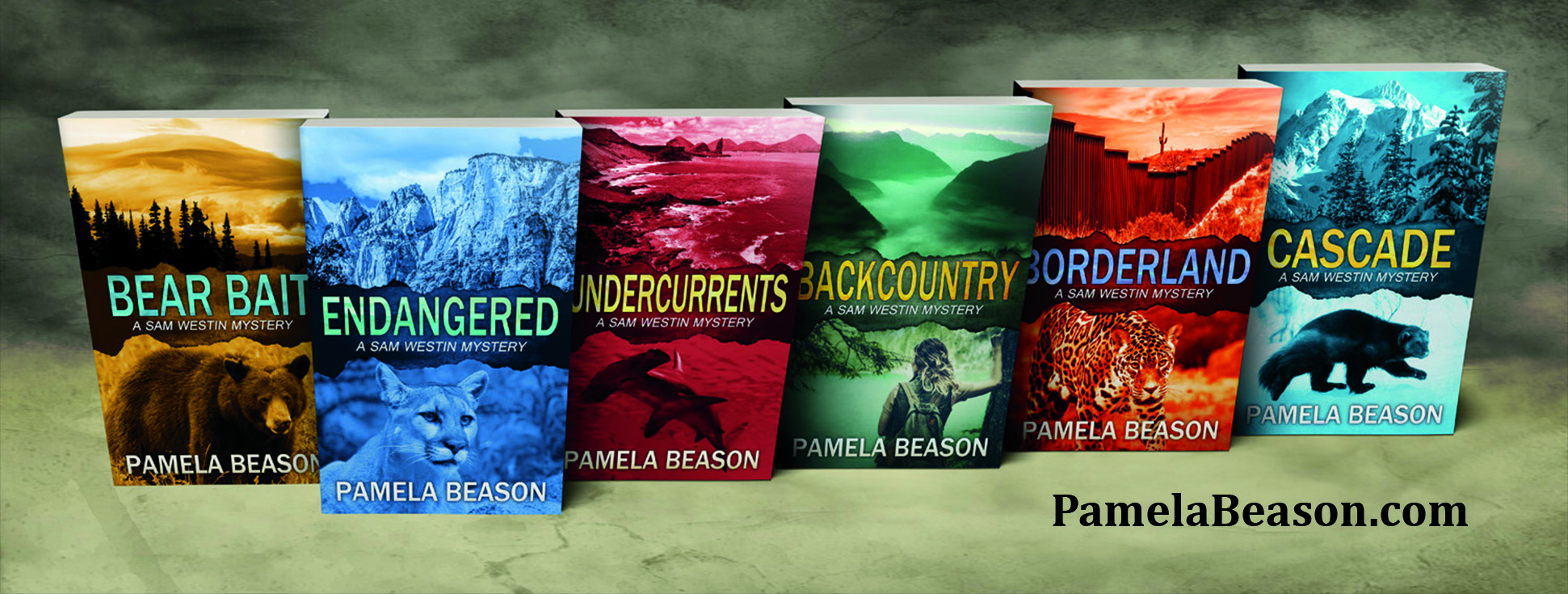
I truly don’t like to kill off my characters, though, because I feel the need to make sure they are fully fleshed out individuals before I do them in (another innocuous-sounding phrase). The character I miss most is Alex Kazaki, a wonderful scuba-diving marine biologist, a husband and a father, with a great physique and playful sense of humor. In my novel Undercurrents, he died in the Galapagos Islands, and his death rippled outwards like a rock had been dropped overboard into the sea, affecting everyone he knew. His dive partner, my protagonist Sam Westin, was impacted by his sudden death, and she was even suspected of smoking him. (Note innocuous phrase number three.) I’m a scuba diver, too, so that hurt. Alex was a handsome, kind man; I still miss him.

But before Alex, I killed off Lisa Glass, a worker on a trail crew in Olympic National Park. She died in my novel called Bear Bait, along with a female game warden. Truthfully, I never knew the game warden, but I’m sure she was great. But Lisa was an innocent, and that wasn’t even her real name. She was young and desperate and just associating with the wrong people, as desperate young people too often do.

In my next novel, Backcountry, two of Sam’s close friends were murdered. How could I do that? Was I becoming inured to death by that fourth book in the series? I fear so, because in my fifth novel, Borderland, I killed another character I truly admired: Jade Silva, a Latina wildlife photographer. She was a gutsy gal who would do anything to save a wild animal. I’ll never forget her.

And then in the sixth novel, Cascade, I bumped off (innocuous phrase number four) a whole slew of characters in an avalanche. It was an act of nature; not really my fault, and I really didn’t know any of them, at least not until Sam met the families of two teens that died.

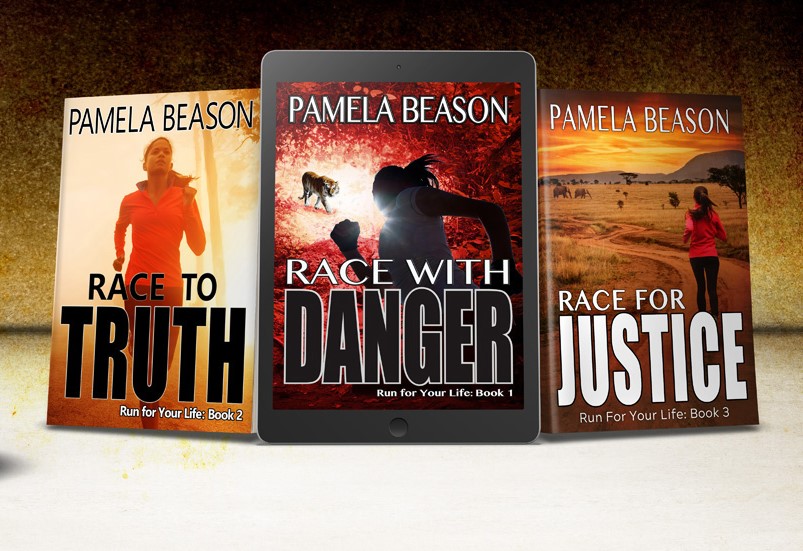
I’m apparently getting more dangerous with every book that I write. Several people have already died in the mystery I’m writing now, If Only. And I haven’t even counted up the dead characters from my Neema Mysteries or my Run for Your Life trilogy.

When I think about the total body count I’ve left behind, it concerns me, especially because I don’t kill off the bad guys, but only good, decent people. I don’t think I meet the criteria for a serial killer, though, because a fair percentage of my fictional victims died in accidents, and they are, after all, fictional. For my own mental health, though, I should probably switch to writing sweet romances for a while.