Research: How Much is Too Much?

Recently, I picked up a book by a well-known author whose books I like. The book was one of a series and I was so excited to begin reading, but after a couple pages I realized I wasn’t enjoying the story. The author included so much information about the different agencies her characters were working for that it read like a textbook, not a novel, and I found myself getting bored and having trouble reading on in the book. And that wasn’t the first time I’d run into that. Another author whose books I love is doing the same thing. There are probably more, but these two stood out for me.

I know that a lot of people watch cop shows and true crime shows on TV. It has become very popular in the last few years. Is this the audience these authors are thinking of when they put everything they know about certain bullets, or forensic information in their novels?

 I can’t help but wonder, are we writing nonfiction or are we writing stories? I know it’s important to do the research and get things right, but what if our readers find the facts we throw in are too much?

For me, in the case of the authors I mentioned, I wanted them to get on with the story. I wanted to delve into the story and live with the characters, and the decisions they make, not be lost in the technical jargon.

I struggle with how much research to include in my own stories.  Where is the line between too much and not enough? It’s tempting when you are fascinated by what you discover in your research to add it all to the novel, but I was taught that you need to know a lot about the subject, but you don’t necessarily need to include all your knowledge in the book.

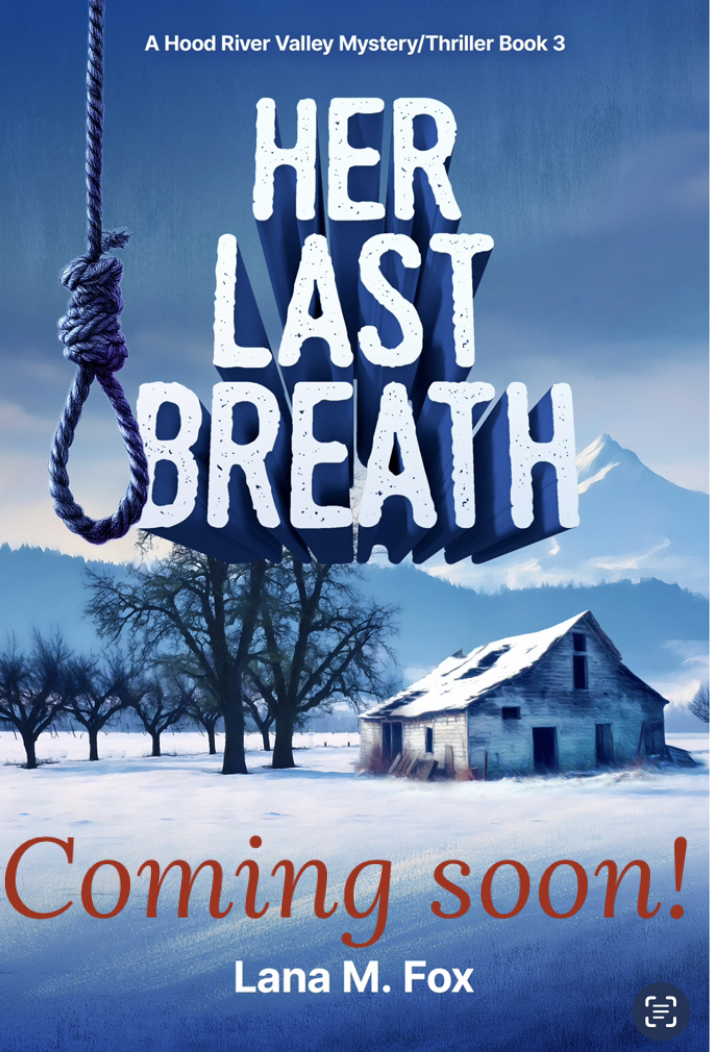
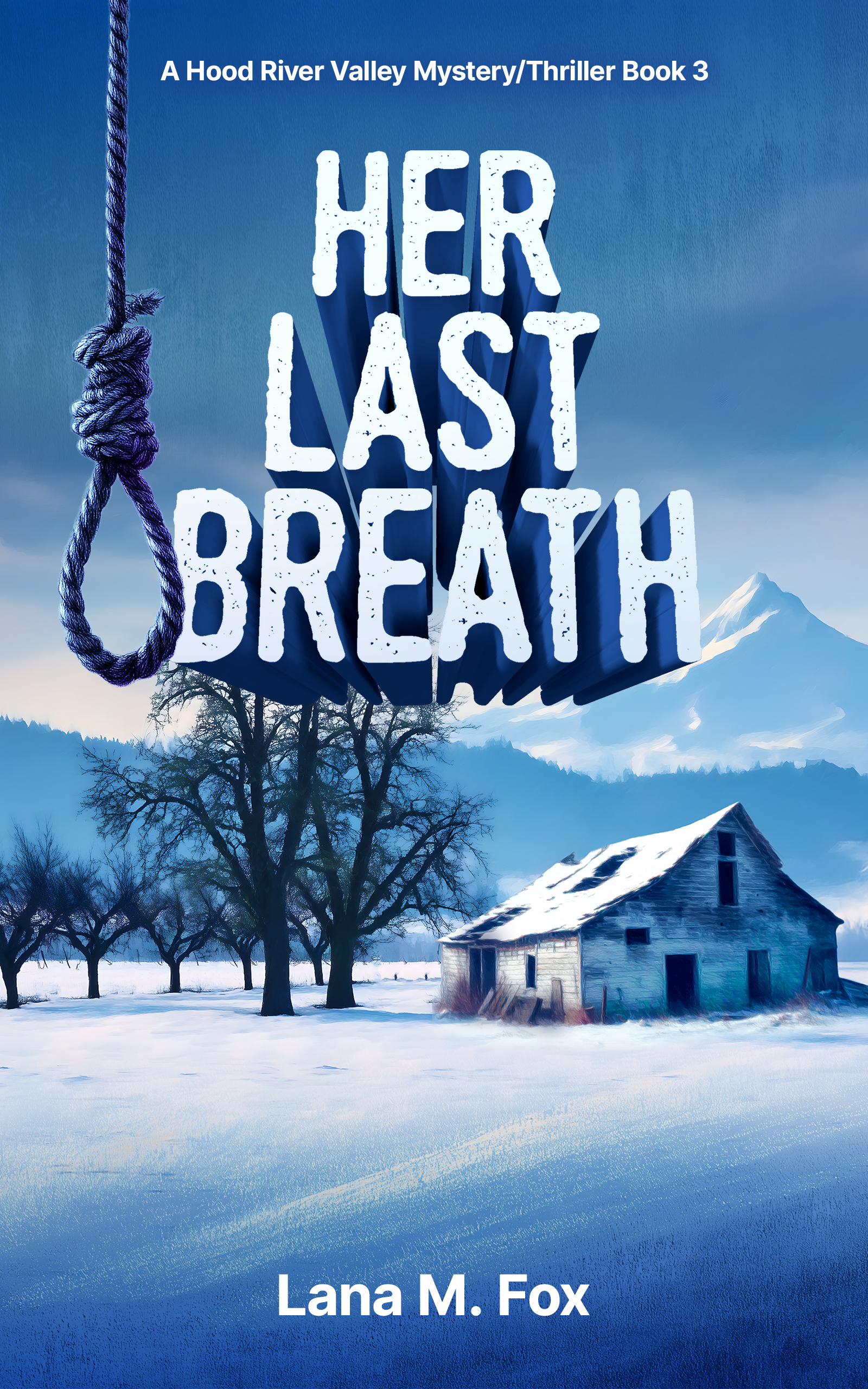
In my current mystery/thriller, Her Last Breath, which is coming out soon, I had to research old bones and what can be learned from them. I read a lot of information on forensic anthropology that was fascinating, but only one or two lines of my research was included in my book.

Could I have gone on and on about it and told the history of forensic anthropology? Sure, but would it have added anything to my story? I didn’t feel it was needed, and I didn’t want to get bogged down in the research so I didn’t, but it was fascinating, and I could understand why an author would enjoy the research so much they felt like they needed to share it with their readers.

Are there readers who would’ve been happy to read all my research? Maybe. But I’m sure there were those like me who would’ve wanted me to get on with the story. Therein lies my dilemma. I feel it’s important to put enough information in to make your book sound authentic, but not so much that your reader feels tired or bored while reading it.

How much of your research ends up in your books? Do you feel like some authors add too much? Or do you feel like the more the merrier as the old saying goes? Send me a message and let me know.

No Time Like the Present


Several years ago, as I was struggling to find my place in the writing world, my neighbor found out I was writing. She told me, “I’ve always wanted to write a children’s book.”

“There’s no time like the present. Start writing,” I said.

She had all the same excuses I had. Her kids were still home and taking up a lot of her time. She helped out in their orchard and did the books for the farm. I encouraged her to start writing a little every day.

The next time I saw her she said, “I’m writing a book.” She was so pleased, and I was happy for her. She did everything right. She joined a critique group, and worked hard on her books, writing and rewriting them. She was patient and when someone would suggest a change in her manuscript, she would painstakingly go through it. Because she didn’t like to drive, I drove her to Eugene so she could use the college library for research. (This was before Google!)

Even though I wrote mysteries and she wrote children’s adventure books, we loved talking about writing together. I read some of her early work and encouraged her to keep writing. She was such a good writer. I knew she’d make it someday and her books would be out in the world for children to enjoy and learn from.

I don’t know how many manuscripts she finished, but she worked hard on one and when it was done, she asked me to read it. Her critique group had read it and liked it, but she wanted another set of eyes on it before she started shopping it around.  I was happy to and blown away by how professional it was. It was polished, and I couldn’t wait to tell her how much I enjoyed it and that I felt it was ready to be sent out to agents or publishers.

I remember going to her house that day. She sat in her recliner looking like she always did. I had no premonition of what she was about to tell me. After we talked a bit, I told her I thought her book was great. There were a couple of little things I thought she could change, but I knew it was ready for publication.

She smiled at me. “Lana, I just found out I have cancer.”

My heart sank. “Oh no, I’m so sorry. But you can beat it. And while you’re recovering, you can work on getting this book to agents. I’ll help you all I can.”

“No,” she said, still smiling at me, “You don’t understand. They gave me six weeks.”

I’m sure in that instant my heart stopped beating for a moment. I couldn’t accept it. I had no words to say to her. I just kept repeating, “I’m so sorry,” over and over. Then she said, “I really thought I’d have twenty more years to write.” She had just turned sixty.

I hugged her and asked what I could do for her, and she shook her head. “There’s nothing anyone can do.” I told her I’d be back to see her and if she needed anything to let me know. I said all the things you say during times like that. Things that make you feel better when you know there really isn’t anything you can do.

Then I went home and cried.

A few days later, I went back to check on her. Her husband and daughter were outside, and I asked if I could see her. Her husband got tears in his eyes and her daughter said, “Mom passed this morning.”

I couldn’t believe it. This bright, beautiful woman who had so much potential, who’d worked so hard to put her work out there for others to enjoy had passed before she had time to get her book out to the world. I know if she had lived, she would’ve had many books out by now.

My own journey has taken several more years. I didn’t take my own advice very well until I reached a certain age and thought, “I’ve got to get these books out there!”  If I could leave you with anything, it’s that there is no time like the present. If you want to write, you have to start. You have to make it a priority. Because no one knows how long they may have.

And one of the great things about writing is that there is no mandatory retirement age. You can write as long as you want. You can write one very long book—think War and Peace or Gone with the Wind—or many shorter books. But you won’t have any written if you don’t start writing now.

Go! Why are you still here reading this? Go work on your book!

Name that title!

I’m editing my latest Hood River Valley Mystery, getting it ready to send out to my editors. I’ve been thinking a lot about titles. The title of this book came to me when I first started writing the book. It fits because the serial killer in the story talks about capturing Her Last Breath.

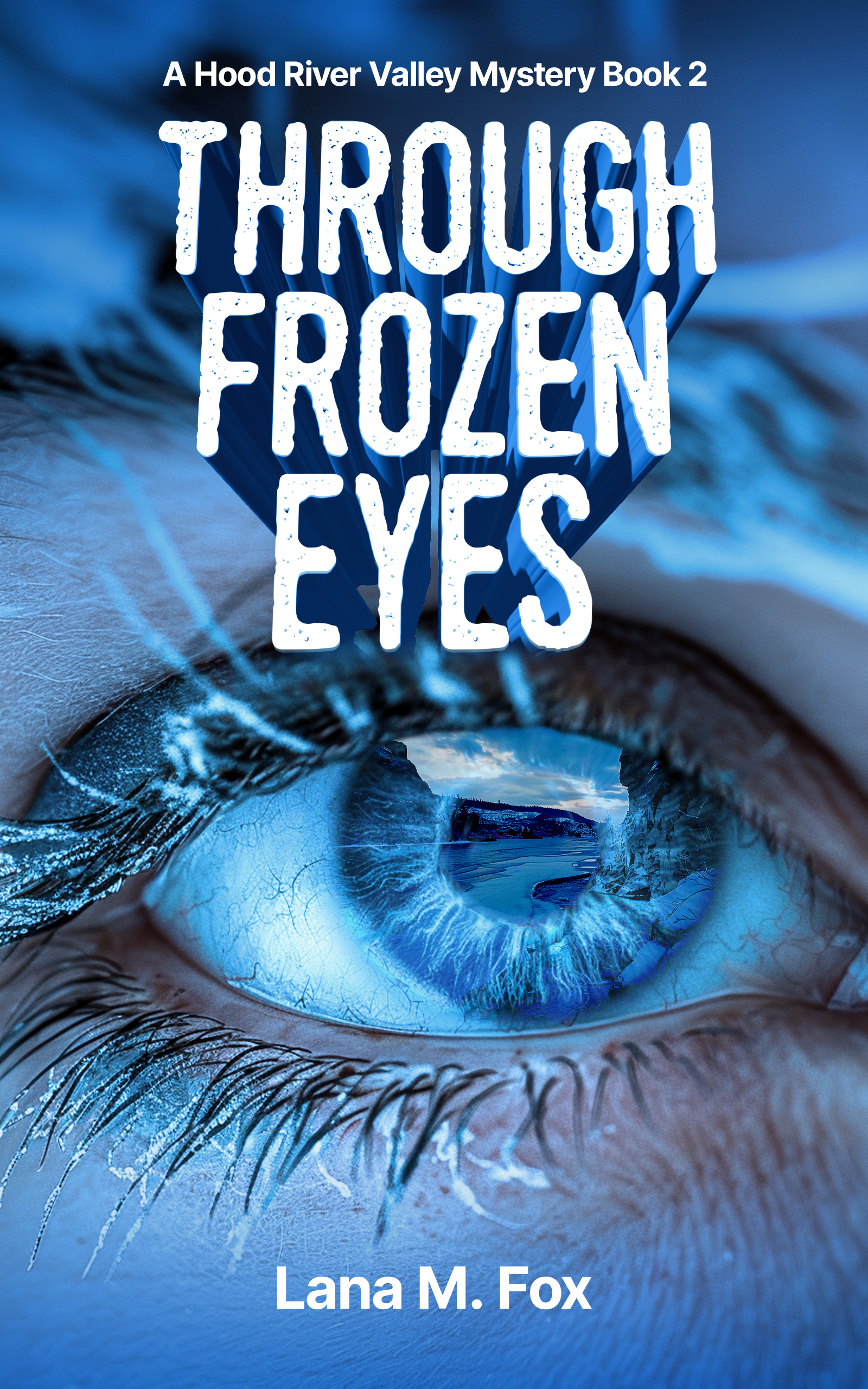
Sometimes the title is the first thing I know about a book when I start to write. Other times I struggle to come up with something that fits the story and is hopefully enticing to readers. I wanted the title for my last book to be, The Ice Princess. Not long after I finished writing that book, another writer used The Ice Princess for the title of their book. The books would’ve been published close together so I opted to change my title. I didn’t know what to use, so I had a contest on Facebook. I told my friends and followers the title I’d picked out, why I didn’t want to use it, and invited them to come up with a title for me. I offered a free signed copy of the new book when it came out. Several people offered ideas for titles, and I picked the one I liked best, and thought would work for my novel, Through Frozen Eyes.

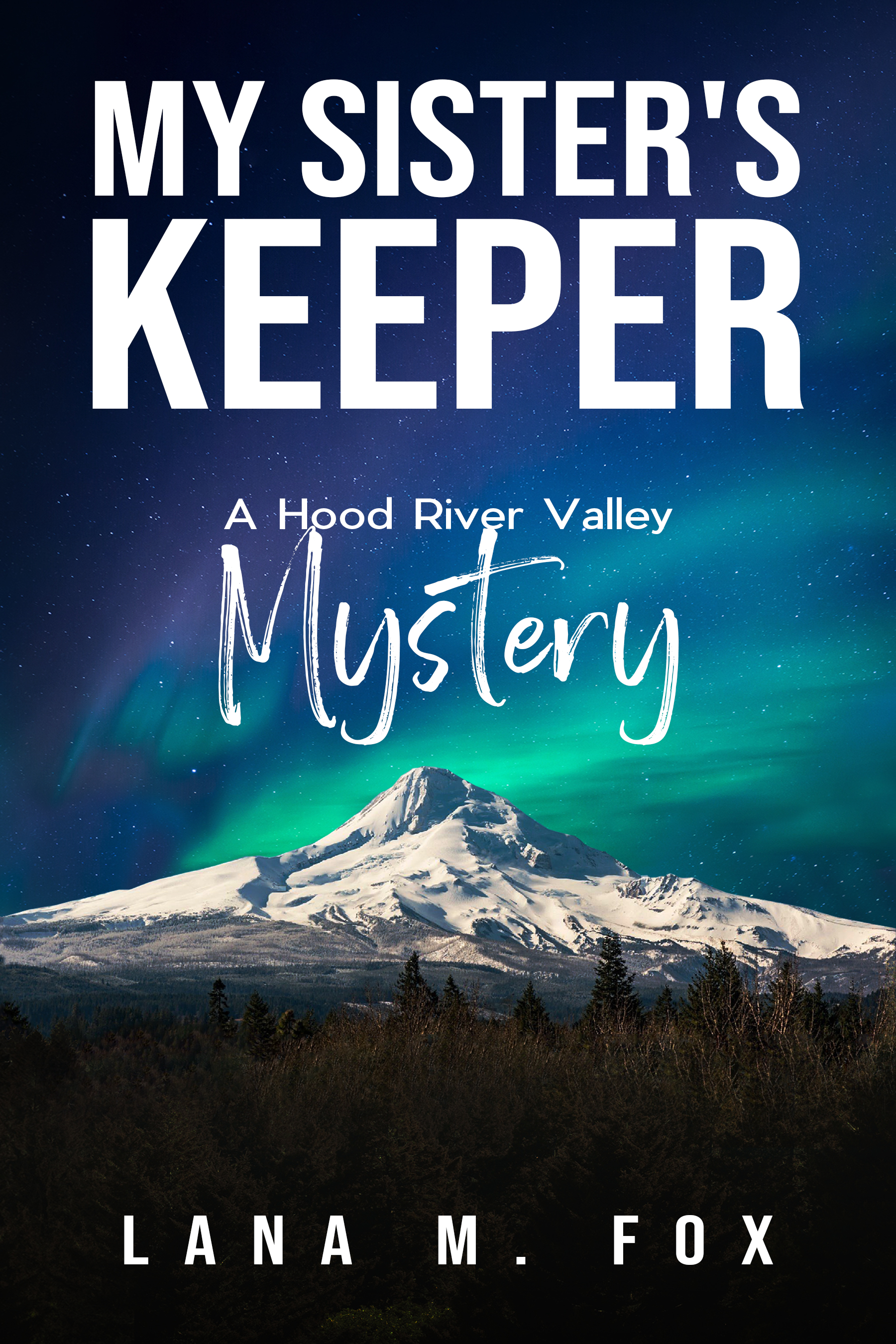
When I wrote the first novel in my Hood River Valley Series, I titled it My Sister’s Keeper. I didn’t realize there was a famous novel by Jodi Picoult by that title. I wish I’d known because several people have told me they read the book years ago and loved it. Then I have to admit that my book has only been out a couple of years and they’re probably referring to the book by Jodi Picoult. Luckily, titles aren’t copywrited!

I’m always interested in how other writers come up with their titles. They usually come easily for me, so when one doesn’t, I think it’s the end of the world!

I feel that picking out a title is sort of like naming your children. The name (or title) will stay with them the rest of their lives, so you’ve got to get it right. When I got pregnant with my first son, my husband wanted to name him, Curtis Hugo. I was horrified! I was young enough that I didn’t realize he wanted to name him after two members of his family who were important to him. I was afraid he’d get beaten up in school because Curtis Hugo sounded like a nerd. My husband didn’t push it, and we ended up naming him after one of his uncles and my cousin. Win, win for both of us. (And our son!)

I’ve recently heard that it’s good to have the same type of title for each book in a series. Who knew? I do have the same number of words for each title in the series. I’ll try to keep that in mind for the next one.

I’m learning as I go on this writing journey and loving it. I know I still have a lot to learn, and I plan to keep at it for the long haul.

What about you? If you are an author, do you have an easy time naming your books? Or do you struggle with titles like I sometimes do? Are you drawn to a book because of the title? I’m very visual, so I’m drawn more by the cover, but occasionally I see a title and think I have to read that book.

I’d love to hear your process. Leave a comment and let me know.

Spring Cleaning

If it’s true that a messy desk is the sign of a creative mind, then I’m creative! My poor desk looks like a bomb went off. As I sit here looking at it, I see four big mugs full of pens, three bouquets of fake flowers, signs, stacks of birthday cards, stacks of printouts of the book I’m currently writing, notebooks, books…you get the idea!

I’ve gotten into the bad habit of leaving my laptop on the dining room table and writing there. That wouldn’t be so bad if I didn’t have a perfectly good office downstairs, but I do. It’s just that it’s messy.

Part of the problem is my office is a long slender room. Half is devoted to writing and half to sewing, when I sew, which isn’t often because I’d rather write. But I don’t want to give up my sewing space. And if you sew, or live with someone who does, you know that sewing machines and cutting boards and fabric and patterns and batting and more fabric and unfinished projects…take up a lot of room.

So, I write upstairs in the dining room, and everything gets thrown onto my desk downstairs until I find time to go through it, which isn’t as often as I should.

Not only do I have notebooks and pens and staplers and timers and more notebooks and…stuff on my desk, behind me are boxes of my books and all of the things I need to take with me when I do an author event. Boxes of pens, my tablecloth, my runner and large pictures of my book covers and five boxes of books…all things I need and have nowhere to store because whoever bult this house didn’t put in enough closets or storage space!

I know it’s time to reorganize my space. Every time I do, I hope that with the clutter cleaned up I will be more productive. Do I really need seven copies of each book in manuscript form? Plus, other manuscripts that have never and will never see the light of day?

Why do I hoard, yes, I know that’s a dirty word, but why do I hoard pens and notebooks? I love them and buy tons of them. I’m always on the search for the perfect pen and continually go back to my old standby, my blue Bic pen. Don’t judge! It makes my handwriting look better.

Years ago, when we used this office for our business, my son went through and got rid of a bunch of pens. I almost had a melt down! (He hasn’t offered to do that again!) I think it’s time to ask him to intervene though. NO ONE NEEDS THIS MANY PENS!

A few years ago, our basement flooded. We had to take everything out and I decided it was a good time to get rid of a few things. I donated a lot of books to the library and threw away a lot of notebooks and stuff that had accumulated, but I need to do it again. (Not flooding the office, that wasn’t fun. But I need to do a thorough purge of my space.)

In case you’re wondering, I do keep our living space neat. My office has become the dumping ground for all my stuff.

It’s spring. Every spring I feel the need to clean and purge. Just not today. I’m nearing the end of writing my current book. I don’t want to take time off and clean until it’s finished. I’ll just have to put the purge on hold until I finish the book. Maybe the thought of a clean office will spur me on, and I’ll finish the book faster. One can always hope.

What about you? Do you save things you don’t need? Do you like to work in a clean office, or like me, is your desk messy most of the time? Let me know in the comments below. I promise I won’t hate you if you’re a neat freak! I’ll just be envious and try to force myself to finish my WIP and then I’ll clean this office!

Why I Write Thrillers

In less than a month I will be flying to Denver for Left Coast Crime. I’m so excited! I’ve been invited to speak on a panel called Why We Write Thrillers. What a great topic. I had to spend some time thinking about this. I knew I enjoyed reading them, but why write them?

Well, for one thing, I love to read a good thriller. I’ve heard that you should write what you love to read. But why do I love them? Why are they so popular? I think it’s because they grab you and won’t let go until the final twist. And that is what I want my books to do. I love it when readers say they stayed up all night reading my books because they couldn’t put them down.

Reading a thriller is like hurling yourself towards a runaway train. You know it’s coming, you can see it coming, and you want to be like Superman and get in front of it and put your hand out to stop it. To do that, you need to know who started the train barreling down the track, why they started it, and a twisty way of stopping it. Because, unlike Superman, holding out your hand towards it isn’t going to get the job done.

It’s the excitement that’s addictive. That feeling in your gut that the main character just might not pull this off, but she does, and in a way you never expected.

Thrillers allow you to explore dark themes in a way that is safe. I want to know why people join a cult. (Her Sister’s Keeper) Why someone would kill a young homeless girl and leave her body frozen in the snow. (Through Frozen Eyes) And why a serial killer kills women and leaves them as a gift offering for the sheriff. (Her Last Breath, which will be out this spring.)

I’ve heard that people read and write thrillers to bring justice to an unjust world. I love it when the story ends with the killer being caught and sent to prison, or being killed by the main character just before he or she kills said main character or someone they love. And sometimes I love it when at the end of the book the killer is caught, but there may be another killer out there who will continue their killing spree. Suspense is what makes us come back for more.

I’m about three fourths of the way finished writing my fourth book. This will be the third in my Hood River Valley Series. It’s about a killer who is playing cat and mouse with the sheriff. I thought I knew why he was killing women, but while writing this post I realized there is more to his past and his psychological makeup than I knew. It’s the, why did the killer do what they did that makes the story more exciting. What’s in his or her background that would cause them to do something so heinous?

Plot is the structure of the story and characters are the meat. They give the story substance. This is especially true in a thriller. I feel a need to know my characters, to try and feel what they feel. Why are they in this particular place and time? What can they contribute to the story to make it come alive?

And then there’s the twist at the end. It isn’t just about shock; it has to make sense in hindsight. It’s the perfect blend of surprise and credibility. These are the things that make writing thrillers such a joy for me. Or should I say, such a thrill?