

My work-in-progress is a historical novel. It’s a first draft and I’m working on it in fits and starts, given the interruptions that life throws at me.
Lately I’ve been thinking about transitions. Now, the dictionary describes a transition as the process or period of changing from one state or condition to another. That could mean transitioning from one place to another. Or in the case of a character, looking at how that person is changing internally or emotionally.
Both these definitions are appropriate in terms of the novel. My protagonist does have some internal and emotional changes in store. But right now, she’s changing from one location to another. So, I need to move her, and two other characters across the landscape from point A to point B—and not take forever doing it.
The book takes place in the late 1870s. My protagonist, Catriona, is the daughter of an officer in the frontier army. In the early chapters of the book, she leaves Fort Garland, Colorado, heading to New Mexico to join her father at Fort Stanton, his new post. With her are two companions, a young woman named Martha and a man named Eusebio. I’ve been writing scenes describing these three people on the road to Santa Fe, where they will make a stop before heading farther south again and arriving at their destination.
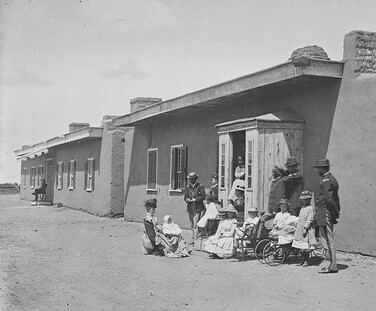
Agonizing over minutiae is part of my writing process. On the other hand, describing the journey is useful information to help me visualize what I’m writing about and want to convey to readers.
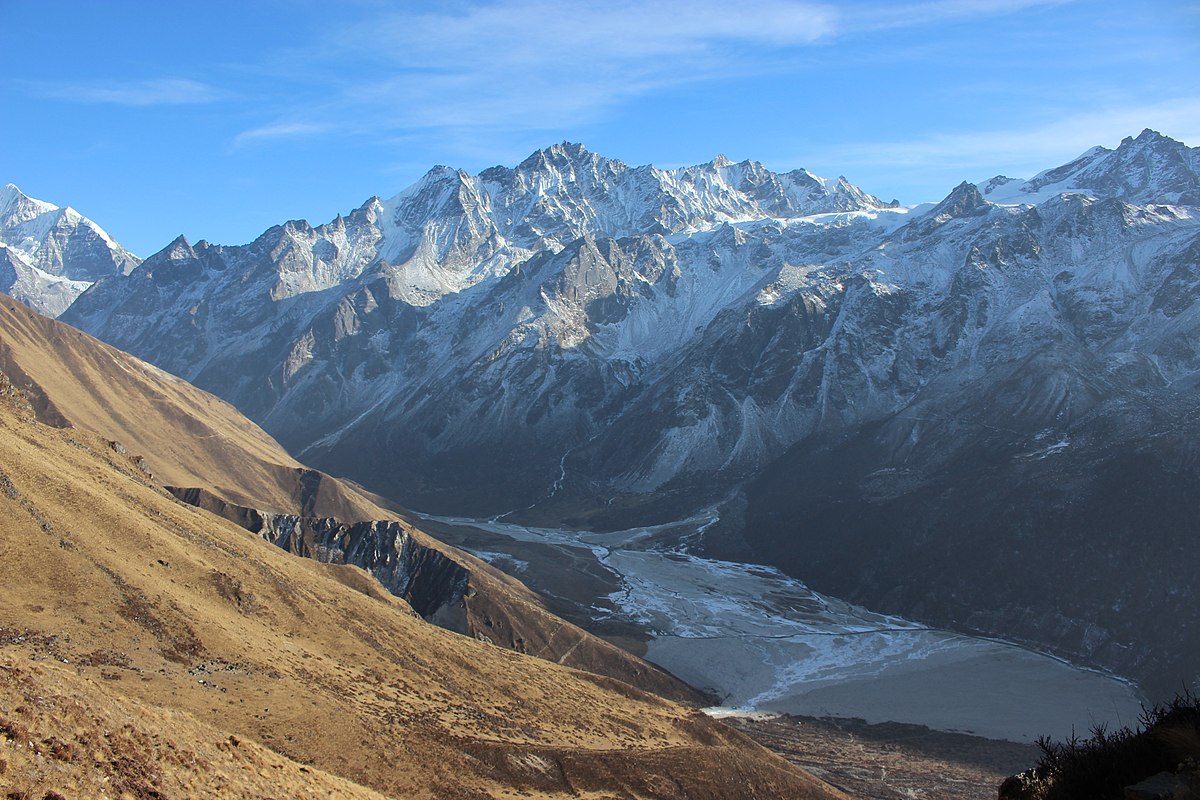
So lately, I’ve spent lots of time thinking about the route, which doesn’t always follow the asphalt roads of the present day. These people are traveling on dirt roads and trails, which sometimes cross streams by going through the water rather than clip-clopping over a convenient bridge. I’m visualizing the terrain, which involves mountains, rivers and high plains. And pondering how many miles a horse-drawn wagon can cover in a day, given the terrain and the condition of those roads.
After mulling it over, chewing on it, and examining it every which way, I finally decided to get on with it. Readers don’t need to follow along on every dusty mile of that journey, taking in the sights during the day, cooking over a campfire, and sleeping under the stars at night. One day and one night, that’s really all that’s needed to give the appropriate information.
Besides, I want my characters to get to their destination so I can move along with the plot.
Jump ahead, already.
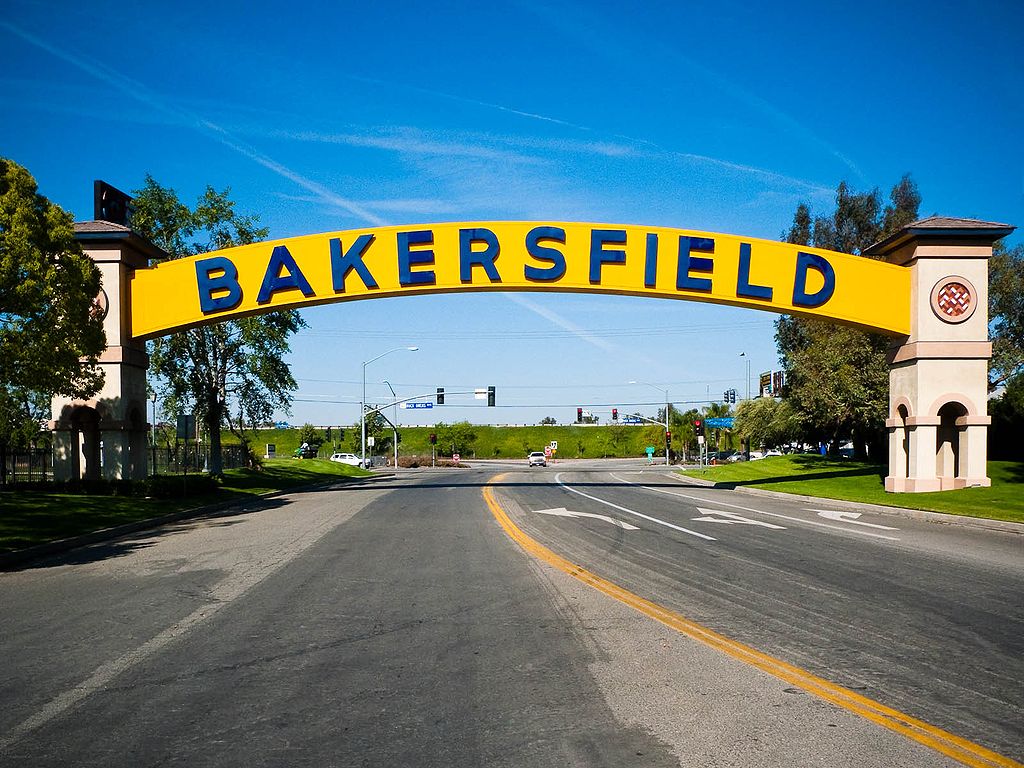
I’ve done this with other books, of course. When I was writing Witness to Evil, a Jeri Howard novel, I had Jeri down in Bakersfield. She was stumped and so was I. What happens next? I jumped ahead and put Jeri on the freeway, heading to Los Angeles. Next think I knew, after finding clues and interviewing people in LA, she was on the road again, this time to San Luis Obispo and then Fresno, before returning to Bakersfield with lots of fresh clues. And me, lots of new chapters.
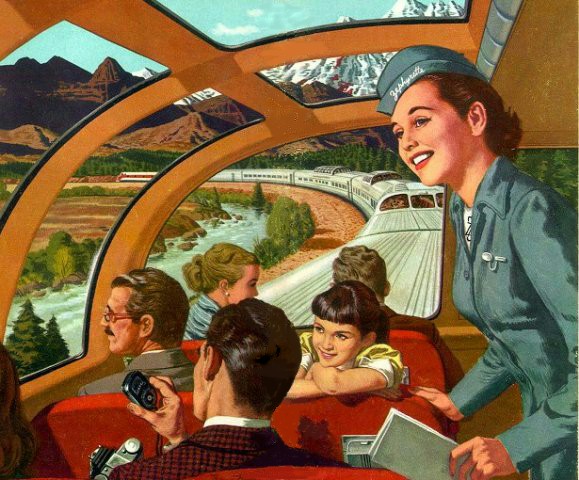
I also write the Jill McLeod series, featuring my sleuthing Zephyrette back in the early 1950s. Much of the action in those books takes place aboard the train known as the California Zephyr. And I must work within the framework of the train schedule. When writing the first book, Death Rides the Zephyr, I had timetables all around me. Not just the timetable for the train passengers, but the timetable that showed the work rotation of the crew, which was different. Again, it wasn’t necessary to write about every mile of that train journey. It was enough to give readers a glimpse of the changing scenery and the feel of the train rocking along the rails. After a long day seeing to the passengers’ needs, Jill is entitled to go to bed in her Zephyrette’s compartment and wake up the next morning, miles down the track and ready for a plate of railroad French toast in the dining car.







You must be logged in to post a comment.