

Thanksgiving is over. I look at the calendar in disbelief. December already!!?? Because Thanksgiving was late this year, there are just a few weeks till Christmas and New Year’s Eve. Time to think about presents and cards and holiday celebrations, yet I don’t feel ready. Where did the year go? And so quickly.

This year has been challenging on so many levels. Might as well add the last half of 2023 to that and call it a challenging year and a half, marked by loss and upheaval on a personal level.
My mother died in 2023. Anyone who has experienced the loss of a parent knows what comes after: clearing out her house to get it ready to sell. Mom lived there for nearly 60 years, so that process took months. It was difficult, making decisions and dividing up what was left: furniture, pictures, keepsakes. We took load after load after load of stuff to local thrift stores. We packed boxes, moving things out. For my brother, it was loading a U-Haul. For me, the process involved shipping furniture and boxes, as well as multiple visit to UPS to ship still more boxes.
Last December I spent the holiday there, the last Christmas together in the house—well, together without Mom. It felt so different. When we took down the decorations for the last time, we divided those up as well. Now the house is empty, waiting for its next owner.
I think of the first line of the song Secret Gardens, written and sung by Judy Collins: “My grandmother’s house is still there, but it isn’t the same.”
Well, Mom’s house is still there, but it really isn’t the same.
My condo is still here, too, but it isn’t the same. It looks better than it did, finally. A flood last fall caused a great deal of damage, meaning the carpet went away and sheetrock had to be removed from walls and ceilings. It took months to repair and at one point involved all my belongings being packed up and moved into storage. I moved into a hotel with my cats while all this packing and moving was taking place, following by installation of new curtains and flooring. Then I moved back in and started unpacking boxes and putting things together.
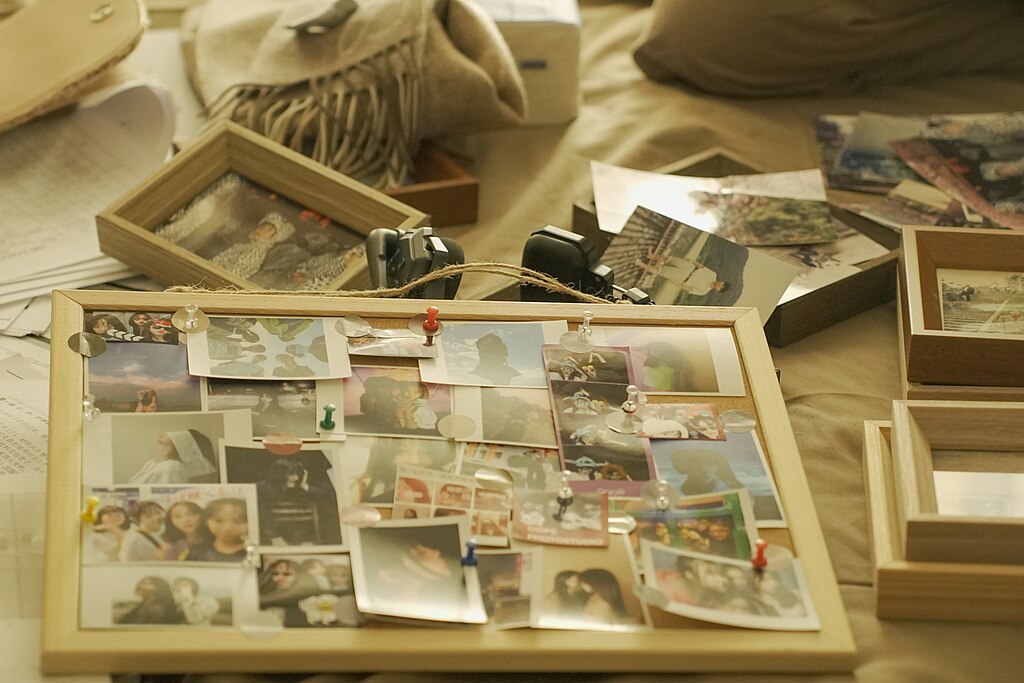
In some rooms the furniture has been shifted around to accommodate furniture from Mom’s house, including a china cabinet that belonged to my grandmother. The keepsakes went into the china cabinet. The quilt Grandma made hangs on the wall in my bedroom. Some of the family photos are on the walls, while more are stored in a closet. There isn’t room to display everything, but those are family photos and I’m glad I have them.
Through it all I have kept writing, though. In July 2023 I had a computer meltdown that resulted in the loss of a book. That was difficult indeed. After I mourned the loss of my words, I started again. Fortunately, the book was, and is, still in my head. I have recreated the words that were lost and written even more. It’s not quite a cohesive first draft, not yet, but it’s coming along. Slowly at times and then at other times, inspiration burst forth and I add to the word count. Soon, I’ll have that first draft. At least I hope so. A goal to aspire to in the new year that is so rapidly approaching.
Yes, it has been challenging. I’m sure the coming year will have more challenges. But writing and creating help to keep me sane. Along with time spent on the sofa with cats and books. Here’s to the rest of December and the New Year.







 Ladies of Mystery
You must be logged in to post a comment.