It All Started With Nerve

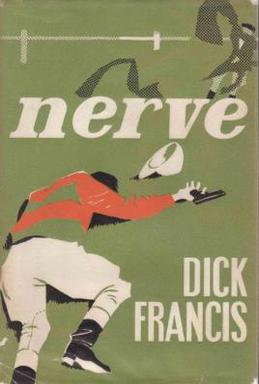
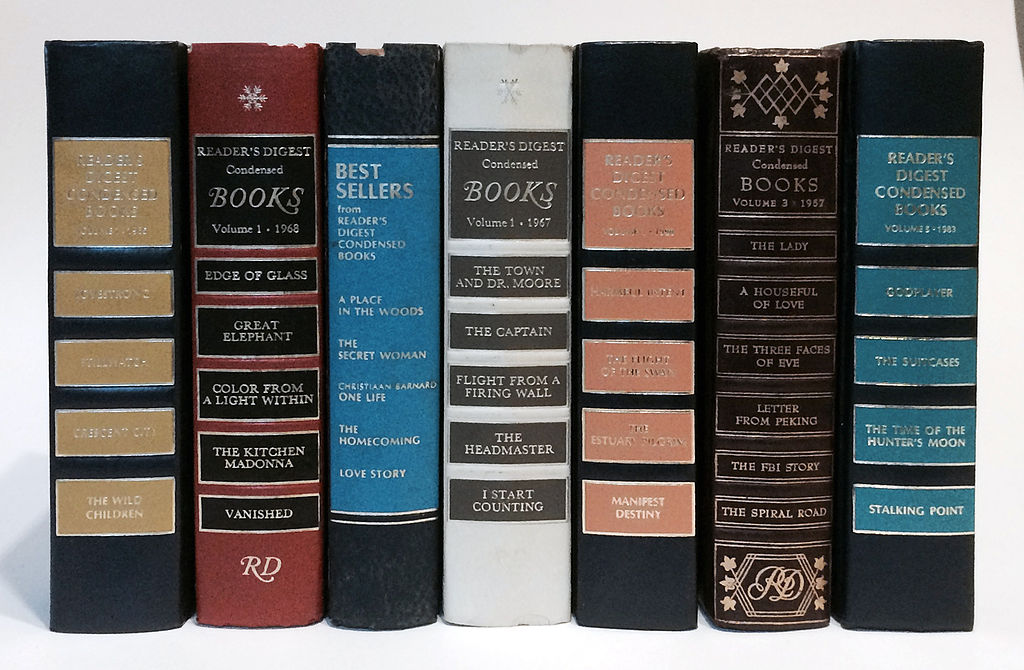
Well, actually, with the Readers Digest Condensed Books. Wikipedia tells me it was Volume 57, published in the spring of 1964. The last book in that volume was by an author I’d never encountered before.

His name was Dick Francis.

I devoured that book. And every single one since. Francis wrote over 40 novels. I love all of them. In addition to being wonderful, they are comfort reads, old reliables—rather like a bowl of chili on a cold rainy night. I can always count on Dick Francis and his steadfast, practical and courageous heroes. Especially Sid Halley, who appears in five books, the closest thing to a series Francis ever wrote.

All his books have something to do with horse racing, for Francis was a steeplechase jockey for many years. And a sportswriter for a decade and a half before turning his hand to fiction. In the early books, his protagonist is a jockey, such as up-and-comer Rob Finn in Nerve, his second novel. In his fourth, Odds Against, Sid Halley puts in his first appearance, as a jockey who has retired due to injuries and is now working as a private investigator. In later books, protagonists have other professions—glassblower, banker, photographer—but there’s always that connection to horse racing. Among my other favorites are his sportswriter hero James Tyrone in Forfeit and pilot Matt Shore in Rat Race.

Dick Francis and I share a birthday—Halloween. I was thrilled to meet him several times, at book signings and once at the Edgar Awards ceremony. That was in 1996, the year he was awarded Grand Master and won the Best Novel award for Come to Grief—a Sid Halley book.

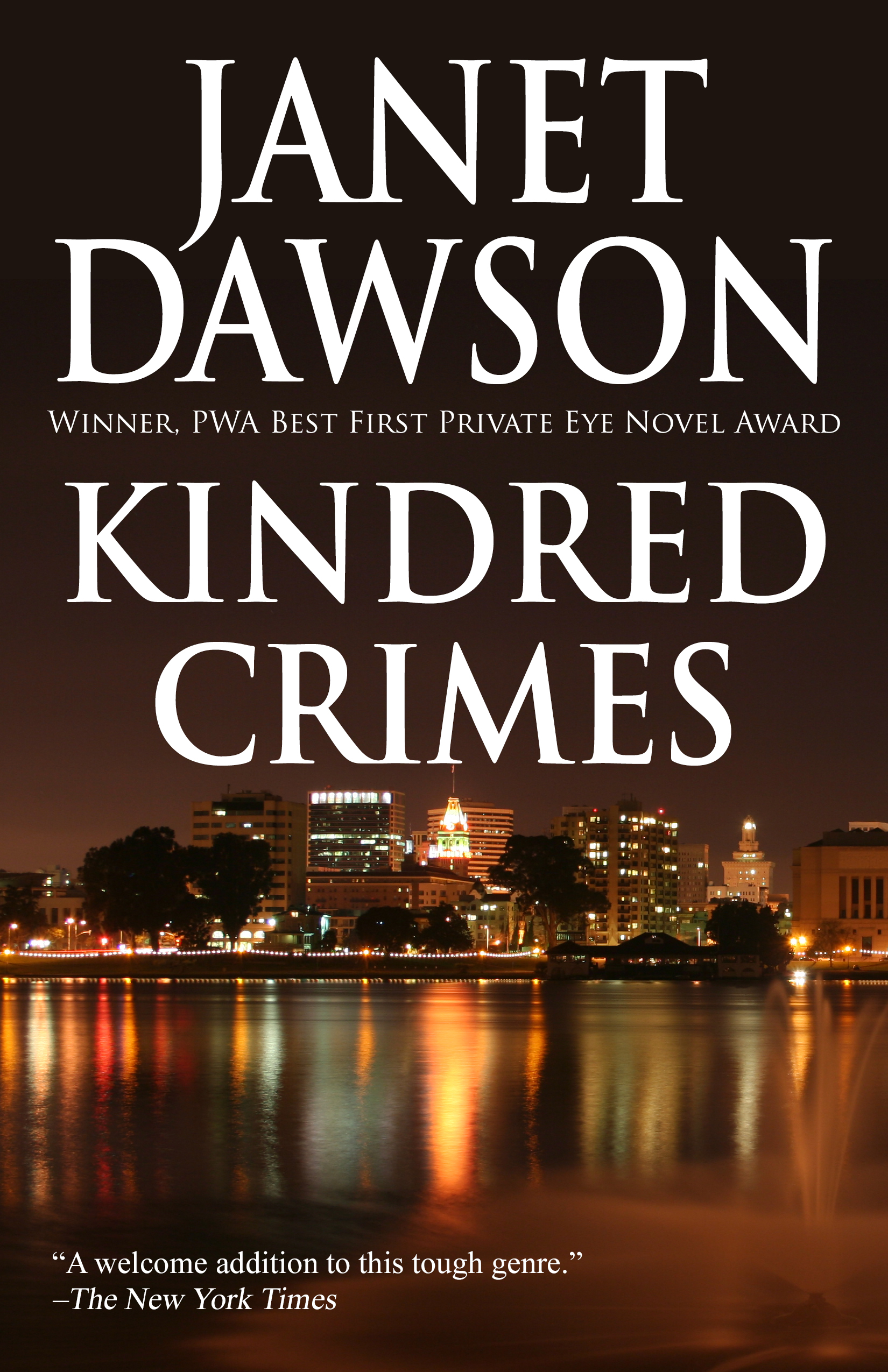
By that time, I was writing mysteries myself. With eight books published featuring my longtime protagonist, Oakland private eye Jeri Howard, I decided I really wanted to write a horse racing novel. When I started the book, I quickly learned how much I didn’t know about horse racing. Books, the internet and Dick Francis will only take a writer so far. Write what you know is a commonly used catchphrase, but I use another one. If I don’t know, I go find out. So, Jeri and I went to the races.

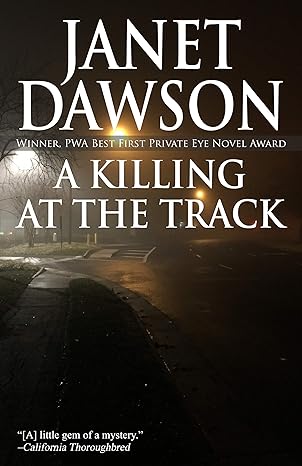
An email message to an acquaintance led me to a friend of hers who knew a woman who trained racehorses. Which is how I wound up at a Bay Area racetrack at six in the morning. I spent the whole day following the trainer around from stables to grandstands, talking with trainers, a vet, even a horse player who tried to educate me on statistics, which are still a mystery to me. I even got a tour of the jockeys’ changing room. Of course, that scene had to go into the book. When I’m presented with such great material I have to use it. That’s why Jeri is in the changing room, bantering with a jockey dressed in nothing but a towel. It was all great fun and I hope the resulting novel was fairly accurate. That’s A Killing at the Track, by the way, which has Jeri investigating the murder of a trainer at a fictional racetrack. More bodies turn up and Jeri actually wins a few bucks playing the ponies.

I’ll close with another comment about the Readers Digest Condensed Books. I don’t know how long Mom subscribed to these, but I do know these abridged volumes introduced me to a lot of good books and authors. Abridged or no, the whole point was to get people reading. And I certainly did.

Earlier volumes included books by authors who later became favorites: Victoria Holt, Anya Seton, James Michener, Mary Stewart—and the redoubtable Agatha Christie. As for Volume 57 from 1964, the tome that introduced me to Dick Francis, it contained two other books I enjoyed and remember to this day. The first was nonfiction, written by Gene Smith, titled When the Cheering Stopped: The Last Years of Woodrow Wilson. The second was by English novelist Paul Gallico. It was called The Hand of Mary Constable, and it had seances, a ghostbuster and twists galore. Great fun.

Dialog With June

June. Summer. Warm weather. Pleasant days, starting early, daylight stretching into the evening.

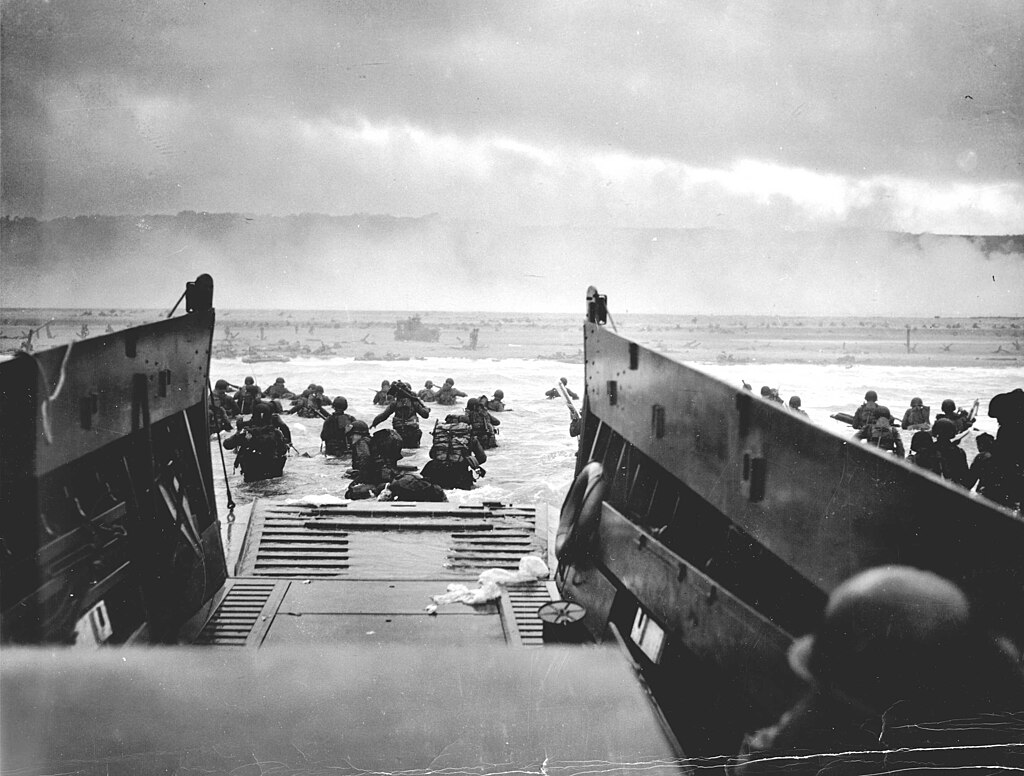
Interestingly enough, June brings thoughts of D-Day—June 6, 1944—when the Allies sent a huge armada of soldiers and materiel across the English Channel to invade Nazi-occupied France. The Longest Day, Cornelius Ryan’s riveting account of that day, is on my shelves, and I’ve read it multiple times. I also have the DVD of the epic (three and a half hours!) film, which I’ve watched over and over, usually on Memorial Day.

The movie is full of memorable dialog. Among my favorite scenes is one with actor Roddy McDowall, playing one of the many soldiers holed up on those ships, waiting for the orders to steam across the channel. It’s June 5, terrible weather, back-to-back storms giving the brass fits. The invasion has already been rescheduled several times.

Roddy’s not thinking about the weather, the wait or the battle to come. He looks into the distance. In a dreamy voice, he says:

I love that. The dialog tells me a bit about the character, conveys something of his life before he got to this place and time, and contrasts starkly with his current circumstances. And it makes me think about some of the camping trips I’ve experienced. I’ll bet I’m not the only one.

Granted, movies are different from novels. I recall other examples of memorable dialog from books that wound up in the movie as well. In Gone With the Wind, Rhett Butler tells Scarlett O’Hara: “Frankly, my dear, I don’t give a damn.” And there’s True Grit by Charles Portis. When irascible Sheriff Rooster Cogburn tells outlaw Lucky Ned Pepper that he’s planning to arrest him, the outlaw responds: “That’s bold talk for a one-eyed fat man.”

Dialog is one of many tools that we writers have in our skill set. Writing this blog got me thinking of dialog from my own books. Three of them come to mind, all with a line of dialog starting the book.

The first chapter of The Sacrificial Daughter begins in care manager Kay Dexter’s office, with a prospective client who says, “I’m at my wit’s end.” Beyond what she’s saying, her facial expressions, her demeanor and small physical actions show the character’s stress from dealing with her elderly mother.

In Bit Player, detective Jeri Howard is in a movie memorabilia shop, looking at an old poster. She says, “Grandma said John Barrymore made a pass at her.” I certainly hope that makes the reader want to turn the page and find out what comes next. For Jeri’s grandmother was an actress who played small parts in Hollywood in the late 1930s and early 1940s. Jeri is about to find out that Grandma was interviewed by police concerning an unsolved Tinseltown murder.

My most recent Jeri Howard novel is The Things We Keep. This book starts with Jeri standing on a street corner, looking at a down-at-heals Victorian house. She says, “It looks haunted.” She’s right. What happens next shows that the ghosts of past crimes are indeed in evidence. For example, those bones hidden away in an old footlocker. Haunted, indeed.

Born to be Wild

I bought myself an electric trike. I named it Trixie. Because, why not!

For over a decade, I had a perfectly good bike, which I enjoyed riding around town. But in the past few years I’ve had both knees replaced. They work better than they did, but—oh, well, I’m not getting any younger.

So, the aches, pains and twinges have increased. I no longer felt stable and secure on the two-wheeler. At my age, I told myself, all I need to do is fall off this damn bike. Then where would I be? In a cast? In rehab?

I figure three wheels are more stable than two. Trixie has pedal assist, which means if I’m laboring up a hill, I can kick up the oomph to better get where I’m going. And it has cruise control. Who knew? There are so many short trips that I can take without using my car—the library, the farmers’ market, my Italian language group at the senior center.

Once I got the e-trike all put together and all the doodads installed, I charged it up and took it out to my condo complex’s driveway for a test ride. News flash. Riding a trike feels different from riding a bike. There was a bit of a learning curve.

I’m out on the street now, in my striped helmet, pedaling along and enjoying the beautiful spring weather, coming home from the farmers’ market with lots of fresh produce in my trike basket.

And I’m singing “Born to the Wild.” If you are the same vintage as I am, surely you remember that rock song from 1968, with the band Steppenwolf, telling us to get our motors running and head out for the highway, in search of adventure. Yeah, you remember. It was in the movie Easy Rider.

What, you ask, does this have to do with writing? It could mean going off in a different direction when the situation warrants it. The bike wasn’t working for me, so I got the e-trike, and now I’m out there pedaling in the sunshine, getting exercise.

Sometimes things aren’t working for the work-in-progress. That means I need to change direction. That could mean taking a different approach with my plot, characters and/or setting.

There’s a quote that’s attributed to Raymond Chandler: “In writing a novel, when in doubt, have two guys come through the door with guns.” You can interpret that any way you want, but for me, it means, change it. Do something different. That may very well unblock your block or add nuance to a character.

In Don’t Turn Your Back on the Ocean, my private eye Jeri Howard visits her mother and various relatives in Monterey. Her cousin Bobby’s girlfriend has vanished, and people think he had something to do with it. While I was writing the first draft, things got bogged down. My solution wasn’t two guys with guns. It was local law enforcement arresting Bobby on a murder charge. That certainly increased the tension, and the pressure on Jeri to investigate.

In Witness to Evil, Jeri is down in Bakersfield looking for a missing person. There’s been a murder, but are the two related? I reached a point where I wasn’t sure what happened next. All I knew was at some point Jeri followed a lead to Los Angeles. I changed things up by changing the setting, putting Jeri on the freeway to the City of Angels, where she poked around in various places and found out all sorts of information. I wrote seven chapters in six days.

Whether it’s two guys with guns or pedaling down the street on an e-trike, making those changes helps me up the ante in my writing—and in life.

I really need a flag that says “Triker Mama.”

Time Available, Plus

My cousin has a catchphrase about stuff. She opines that one’s stuff expands to fit the space available, plus two boxes.

My variation on that theme is this: The number of tasks demanding my attention expands to fit the time available, plus five or six more tasks, all with screaming deadlines, taking up line after line on my to-do list.

Yes, I keep a to-do list. It’s satisfying to check off those items. But I keep adding more, until the page is covered with scribbles, some of them in the margins, and hand-drawn stars indicating the urgency. Oh, the tasks that make their way onto that list—and get in the way of writing. There are so many.

I retired from my day job more than a decade ago. I figured I would have more time to write. Not unlimited, never that. But more. Hah! Like that worked.

“I don’t know how I got anything done before I retired.” When I was working full time, I used to hear people say that. After I retired, I was the one saying it. However, I do know how I got things done. I didn’t sleep—much. During those last few years, what with the day job and the commute, I got up at 4 AM so I could write before making that rush-hour drive to my office. Once I retired, sleeping in past 6 AM was pure joy. So is reading my morning newspaper in the morning, a mug of coffee beside me, instead of catching a few pages while eating lunch at my desk.

It’s amazing what crops up to fill the time. Tasks, some pleasant, some routine and necessary. I need to clean my home from time to time, because I like to walk through the rooms without tripping over the clutter. In the spring and summer, I look at the proliferation of weeds in my garden, thinking I’d better haul on the gloves and deal with them.

Exercise is a desirable routine. I have a weekly tai chi session that has been good for me. And walks. Because you never know, I might work my way through that thorny plot issue while walking along the beach near my home.

Errands, always errands. Grocery shopping for me. Stocking up on cat food for my four-pawed furballs. Library visits, to pick up or take back books. Visits to the doctor or dentist. And those trips that are good for the soul, such as meeting a good friend for lunch or coffee, always with plenty of conversation. Or an outing to a museum or the theatre.

I treasure those days when my dance card isn’t crowded, just my morning session with the newspaper, a walk (if the weather permits), and the rest of the day spent in front of the computer, writing and polishing my work in progress. That is so satisfying. But lately, things are getting in the way. I’m thinking of that daylight-savings-time mantra: “Spring forward, fall back.” The term “fall back” makes me think about falling behind. I have certainly felt that way over the past two years, when family and personal issues got in the way of writing.

The tasks are always expanding to fill up the to-do list. That’s always going to be the case, I suspect. One issue gets taken care of, and then another crops up to take its place. And always, things that get in the way of writing, if I let them.

So on to checking off one more thing on the to-do list: this month’s blog!

Hooray For The Sanborn Maps!

Let us now give thanks for the Sanborn maps, a valuable tool for writers.

You’ve never heard of them? I hadn’t either, until I started working at the University of California Berkeley. I was a staffer in a research unit affiliated with the College of Environmental Design, which is where I first heard the term the built environment.

According to Science Direct:

The term built environment refers to the human-made surroundings that provide the setting for human activity, ranging in scale from buildings and parks or green space to neighborhoods and cities that can often include their supporting infrastructure, such as water supply or energy networks.

The Sanborn maps show a detailed view of the built environment. Great for writers, because if we’re writing about a particular location, it helps to know what building was on which corner. Fortunately, many of the Sanborn maps have been digitized. Which is great since the bound volumes are quite large and bulky—and not readily available.

Now for some background. The Sanborn Map Company created and published detailed maps of US cities and towns in the 19th and 20th centuries. The earliest published map shows Boston in 1969. The maps were large-scale, lithographed street plans, published in volumes, bound, and updated.

They were created so that fire insurance companies could assess their liability in urbanized areas, utilizing detailed information about properties and individual buildings in approximately 12,000 cities and towns.

The Sanborn maps contain an enormous amount of information. Once you get past the title page and various indexes, the maps themselves show the outlines of each building and outbuilding; the location of windows and doors; street names; street and sidewalk widths; property boundaries; fire walls; natural features such as rivers; railroad corridors; building use (sometimes even particular room uses); house and block number; as well as the composition of building materials including the framing, flooring, and roofing materials; the strength of the local fire department; indications of sprinkler systems; locations of fire hydrants; location of water and gas mains; and even the names of most public buildings, churches and businesses. Even brothels, outhouses and stables! A treasure trove!

You can access the maps through the Library of Congress, though I’m not sure they have the complete collection. What they do have is voluminous. Here’s a link:

https://www.loc.gov/collections/sanborn-maps/about-this-collection/

While writing Death Above the Line, the latest Jill McLeod novel, set in Niles, California in 1953, I consulted a Sanborn map for that small township in Alameda County. I learned that what is now called Niles Boulevard was called Front Street back then. There was a hotel on a corner opposite the train station, which served the purposes of my plot. I also found a large vacant lot farther down the street where I could locate my fictional warehouse-turned-movie-studio.

For my work-in-progress, which takes place in New Mexico territory in the late 1870s and early 1880s, the maps are invaluable. Even now, I’m looking at a digital map of Santa Fe in 1883 that points out the location of the post office, on a corner east of the Plaza, next door to a jewelry shop, an insurance office, and a barber shop—and there was a gambling hall behind that. On another downtown street, I find a bookstore sandwiched between a bank and another building labeled “Gambling Mdse.” I’m intrigued by that one.

Once I figured out that the legend “Dwg.” means dwelling, that gave me an idea of where people lived. Especially useful since my protagonist is renting a room in someone’s home. Now I know where to put that fictional house.

I love looking at maps and I could certainly spend hours with the Sanborn maps. Try them—you’ll get hooked!